“Children in Color. Technology at Everyone’s Service”
When you think of children, bright colors, smiles, and harmonious melodies immediately come to mind; when you think of children in relation to school, you picture neat notebooks filled with decorative borders and colorful drawings, illustrated books, raised hands eager to learn and participate, children playing and learning together and working as one to build their future every single day.
In real school, however, there are also the “photocopy children,” the children in black and white, those who have no colors on their notebooks because they do not know how to, do not want to, or cannot hold those beautiful markers that their mother diligently arranged in their pencil case. The “photocopy children”… those who do not follow the lesson on their textbooks—the colorful and beautiful ones, the ones their classmates have—but try to learn about the world through the black and white of the photocopies the teacher prepared for them, trying to make the subject simpler, more accessible, but still “different.” The “children in black and white,” those who do not speak with their classmates but scream, because the words they have in their heads are many, too many, and they all want to come out at once.
Inside this school of ‘black and white children’ there are many of them: there is N., affected by Dravet syndrome; there is S., our ‘Fragile X’; there is Y. with her wheelchair and her mouth that can only say ‘mommy’; there is R., who speaks little and hardly ever looks you in the eye; and there are all these children with Special Educational Needs, of which we like to think only of the ‘S’ and define them as ‘special’ children. What should be done? How can we help them? How can we make this school truly inclusive to give every child equal opportunities?
This project was created to make these students truly aware of their school life, helping them overcome both physical and relational difficulties, while helping every child feel involved, self-efficacious, and productive for themselves and their classmates.
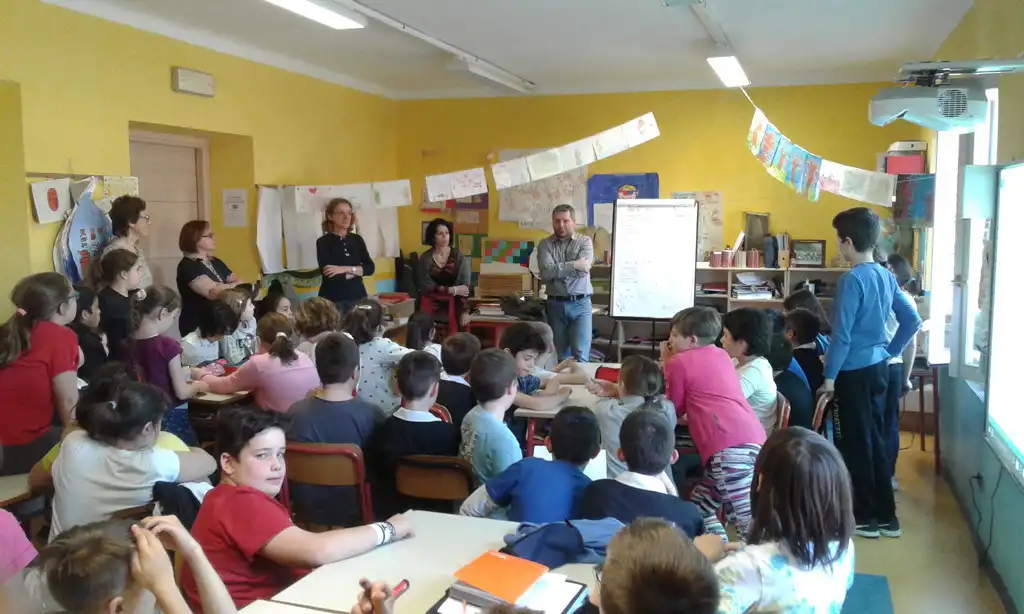
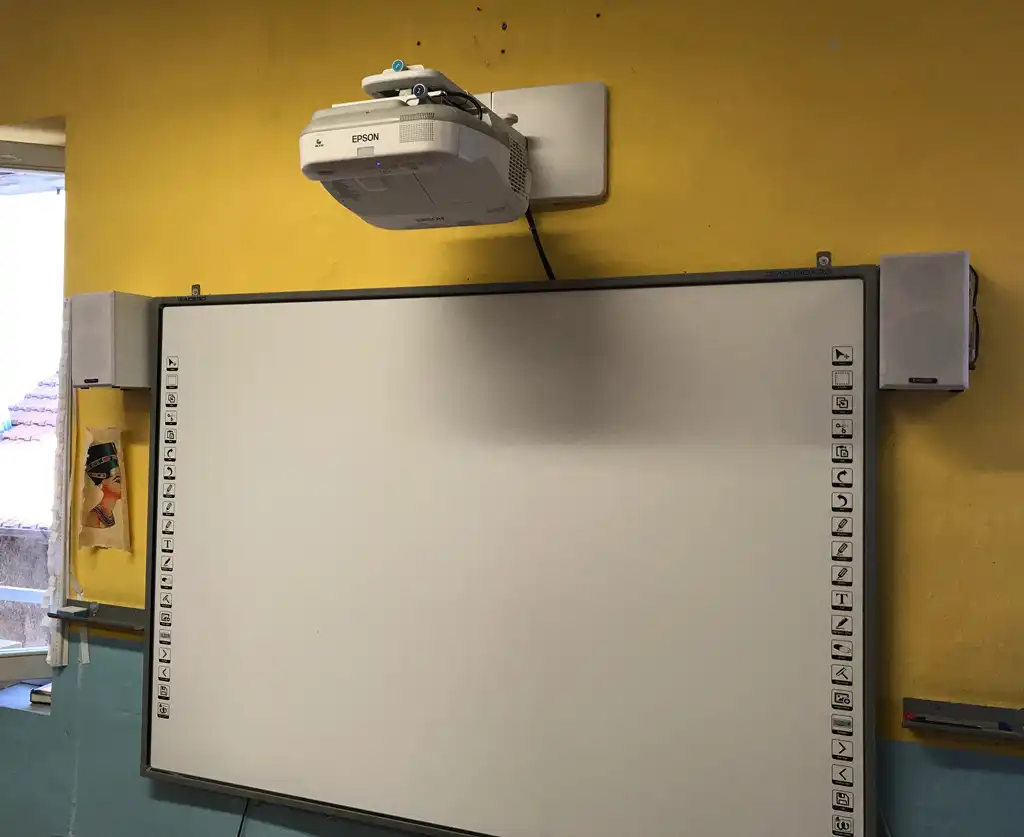
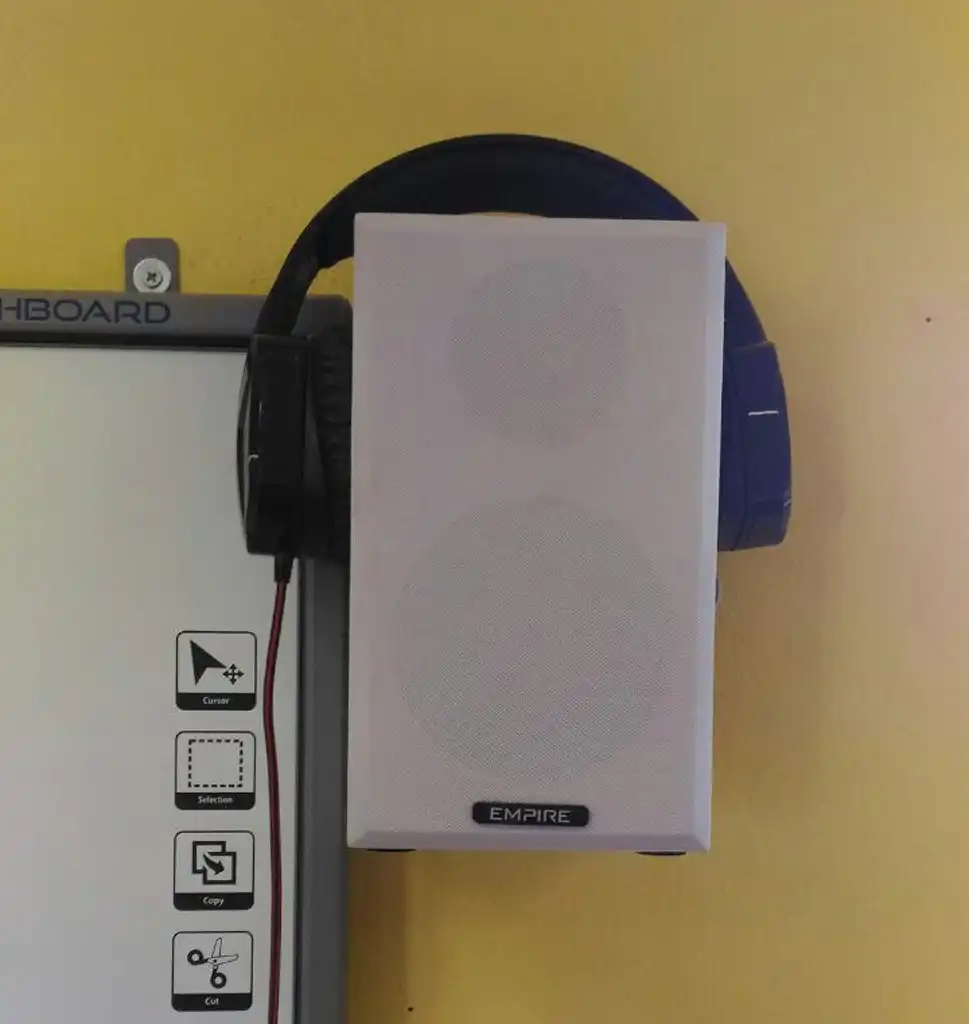
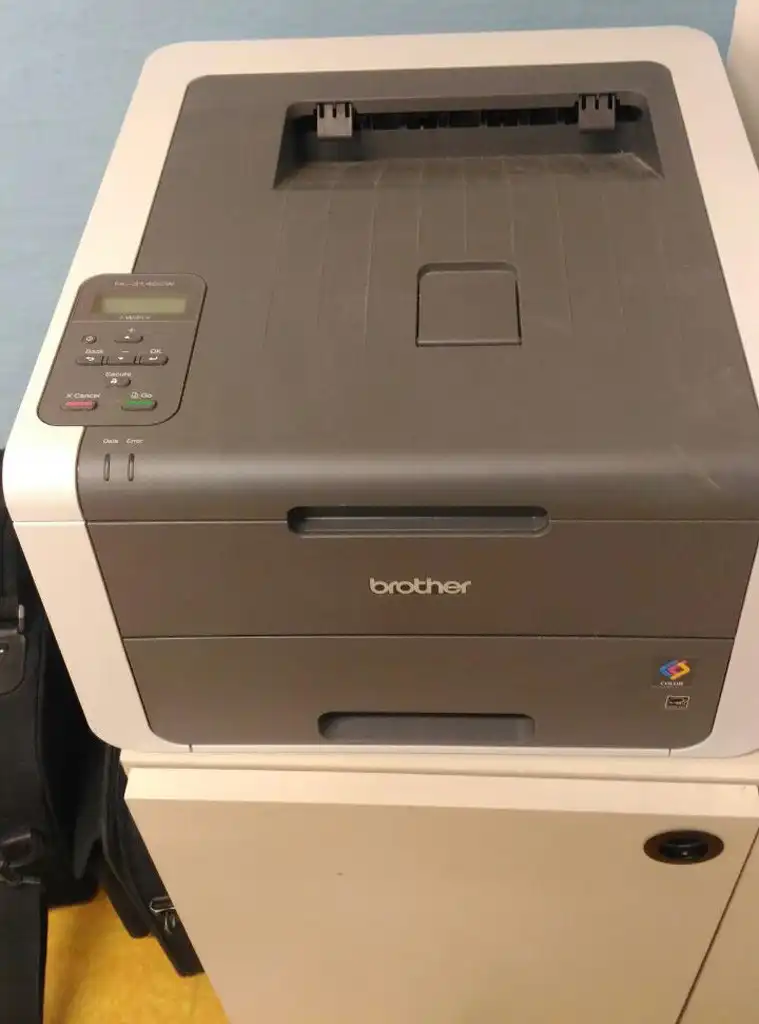
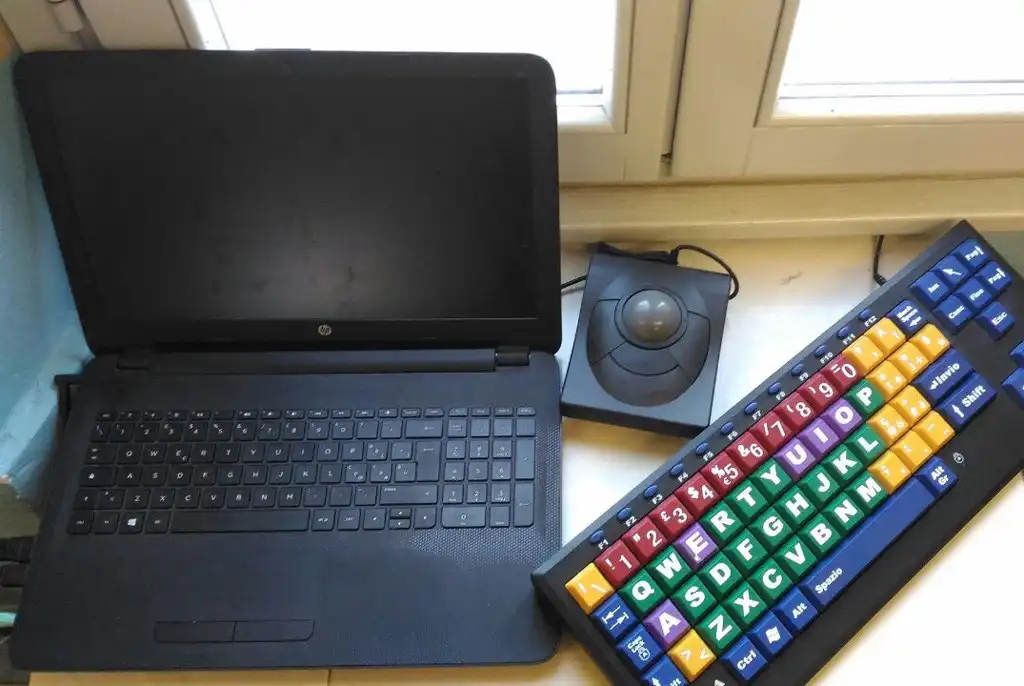
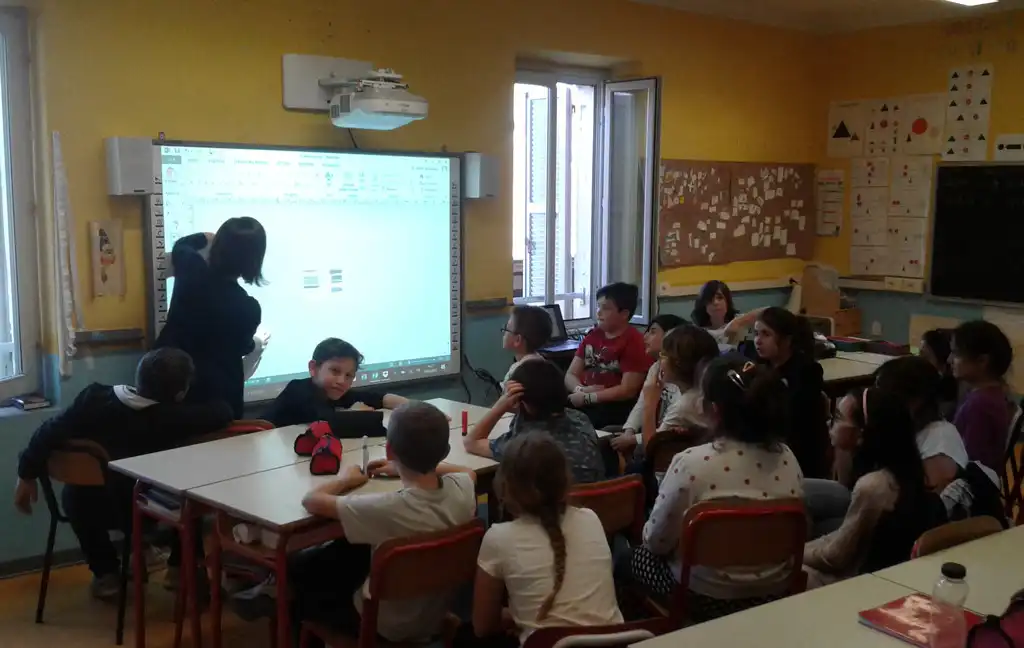
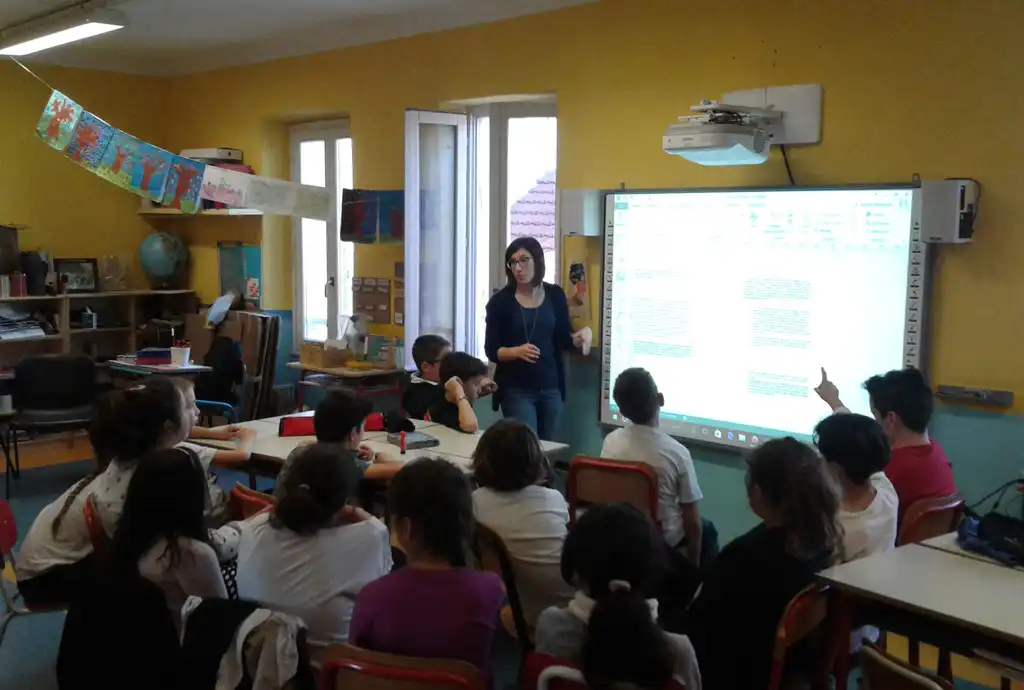
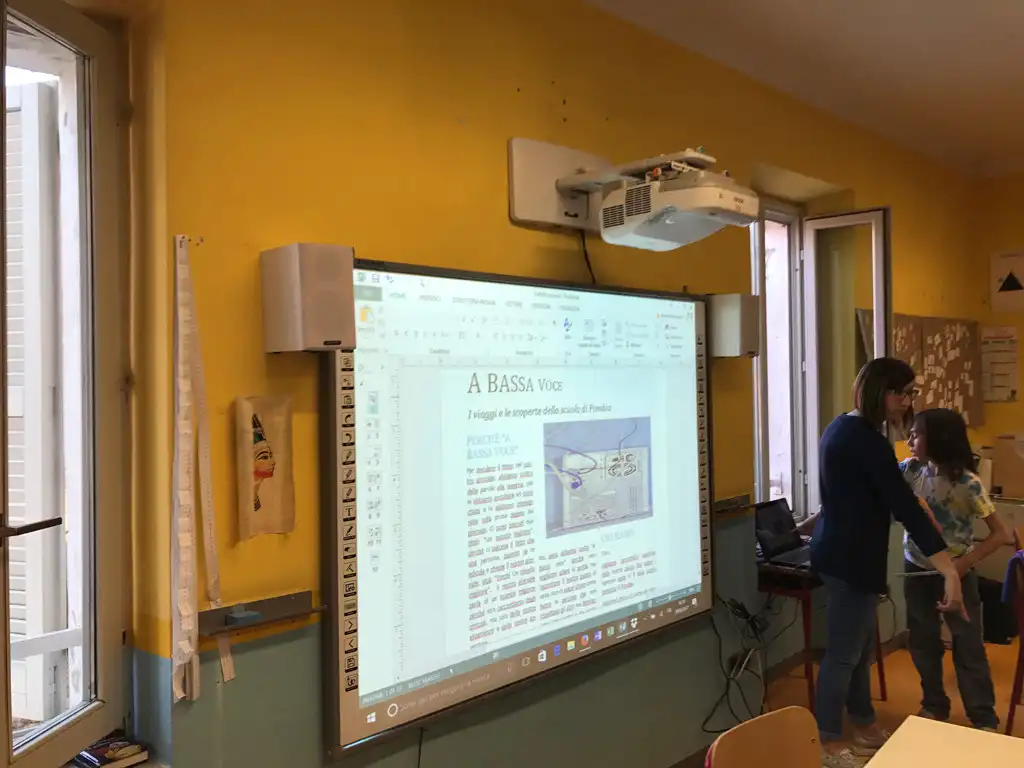
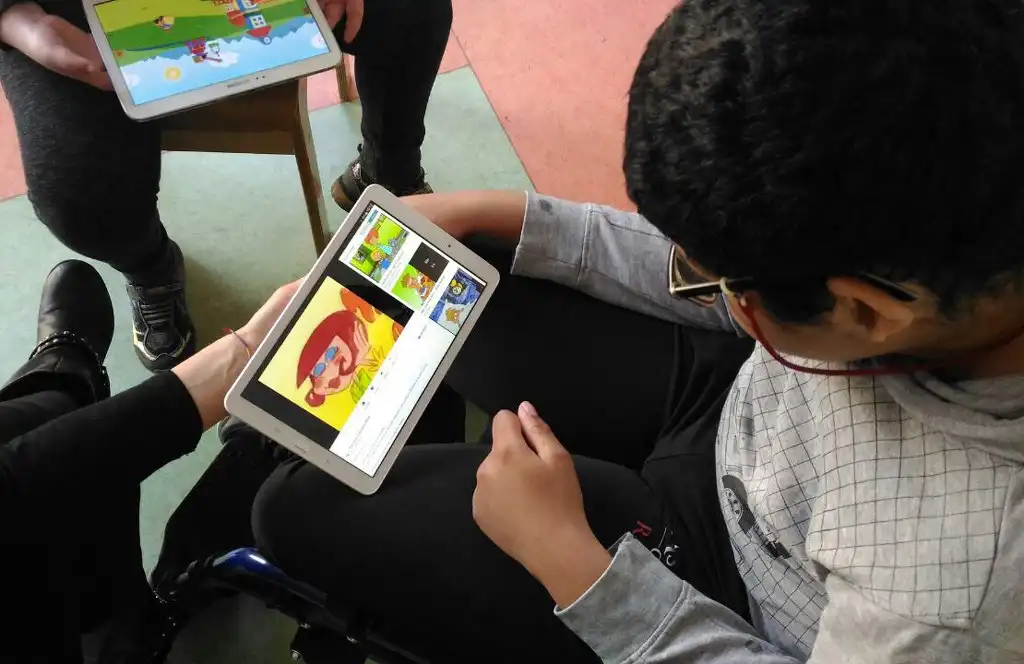
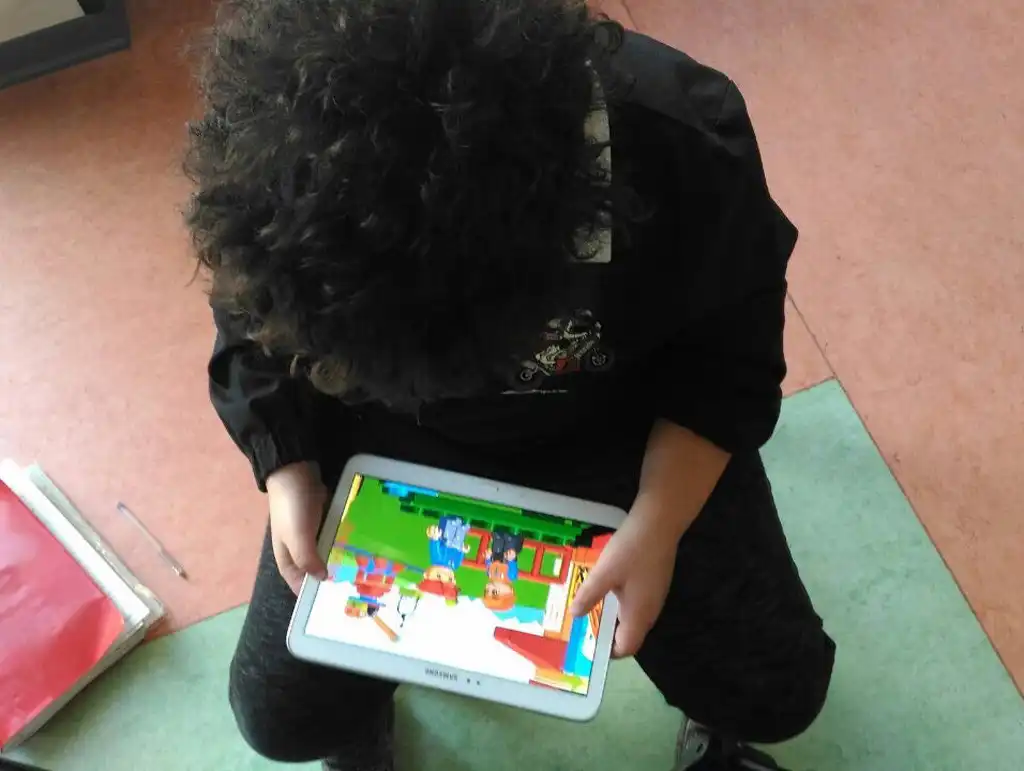
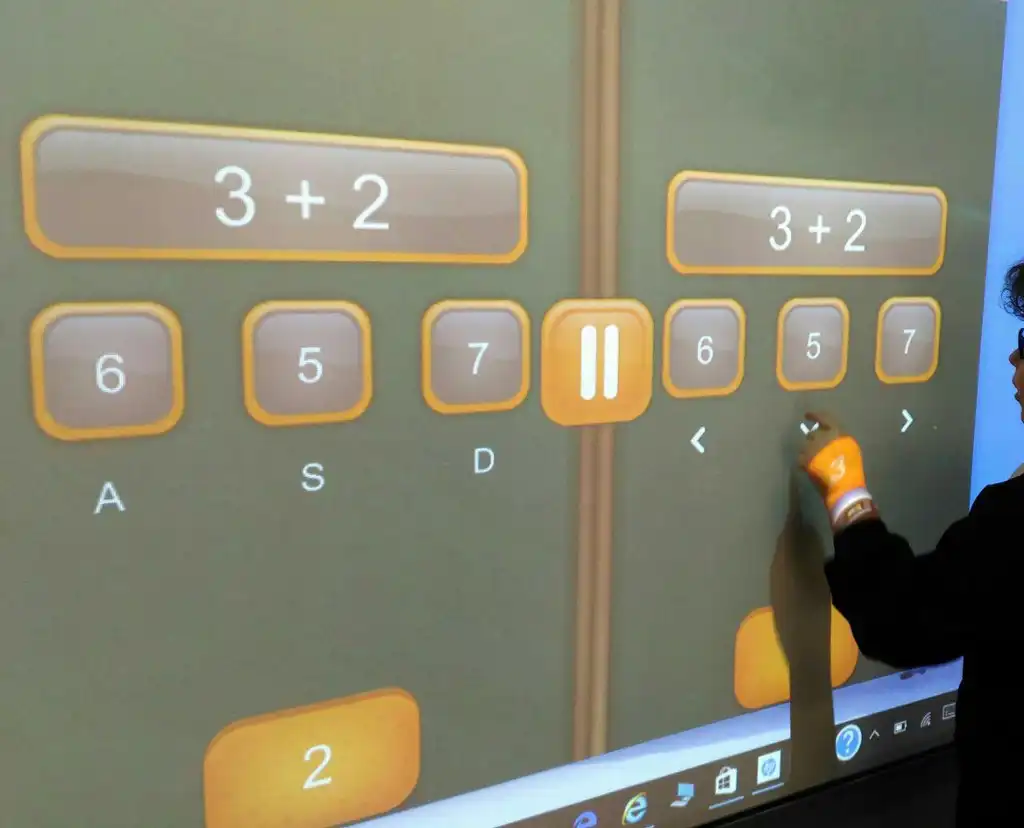
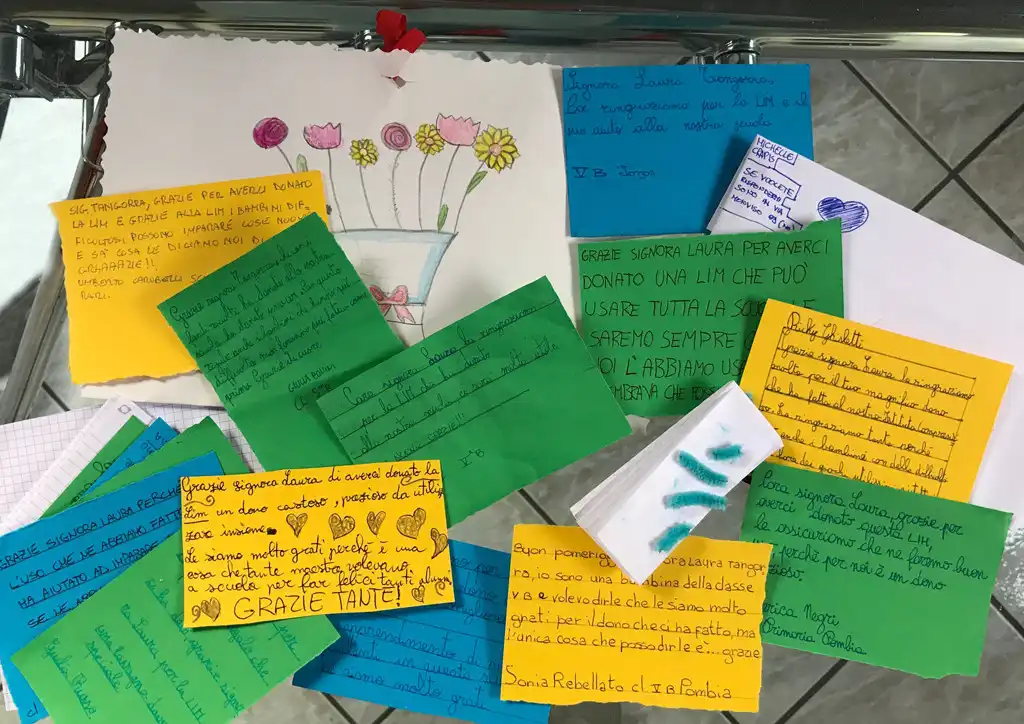
We decided to carry out this project at the Don G. Ferrari Primary School in Pombia (Novara) by purchasing an interactive whiteboard (IWB) capable of turning an explained lesson into a visual and ‘participatory’ one—an interactive lesson where even children who cannot write or speak can make themselves understood simply by touching the screen. A color printer, connected to the whiteboard, allows images used during the lesson to be printed in real time, along with mind maps created by the students themselves for their studies, helping to involve families at home with the work done at school. Furthermore, we equipped the classroom with tablets, headsets with microphones, and accessible mice and keyboards, ensuring that everyone can participate in the lesson without excluding anyone.
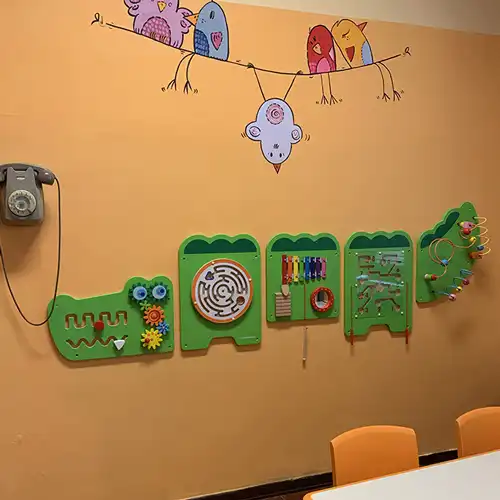
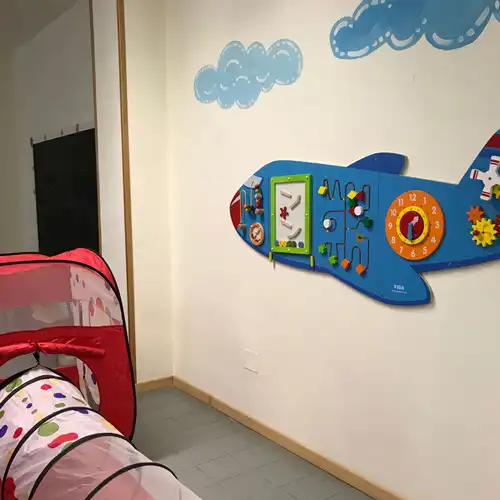
Furthermore, the facility has a multipurpose design, allowing all classes in the school to take advantage of this new equipment.
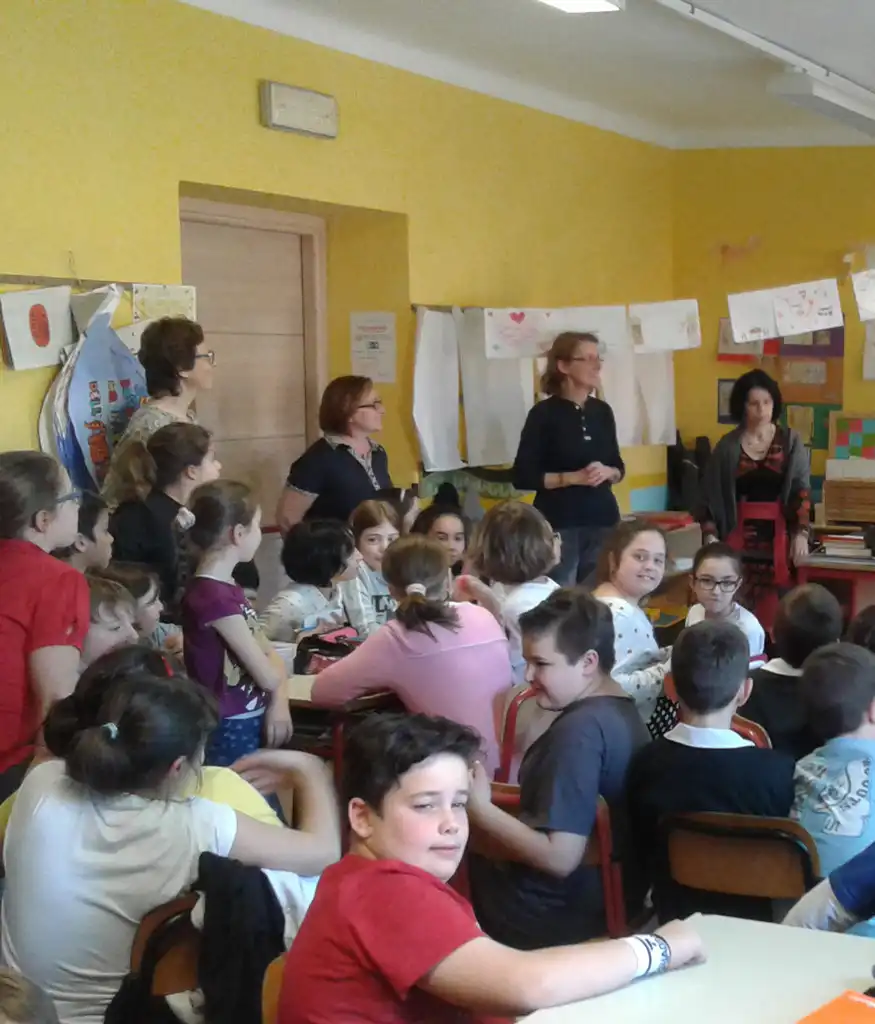
The space was inaugurated on March 18, 2017.