“An educational carpentry workshop”
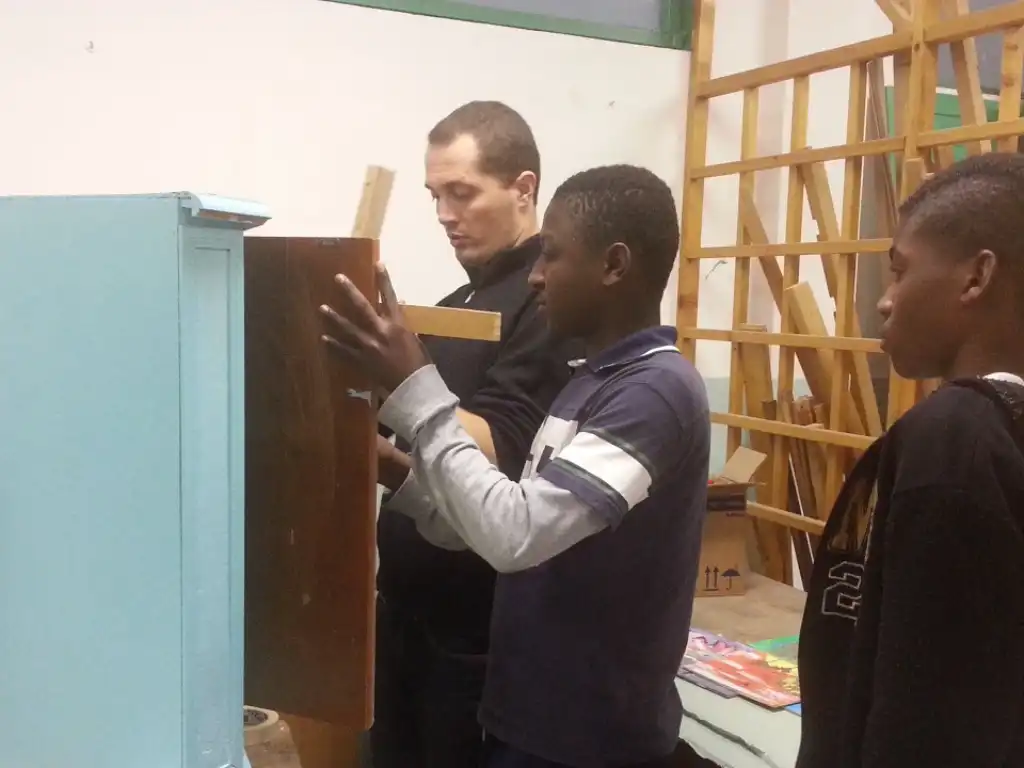
This project stems from the idea of bringing the former carpentry workshop at Istituto Comprensivo Bellini back to life. With the support of the Fondazione Lucrezia Tangorra Onlus, new machinery, materials, and tools will be purchased. Under the careful guidance of teachers and external experts, these resources will be used to build furniture and objects for the school, restore items in need of maintenance, and give a second life to planks, beams, slats, and any other recyclable wood made available to the workshop.
Many students at the school are first-generation Italians, many face difficult family situations, while others experience academic hardship for various reasons, with some at risk of dropping out. The workshop will be open during the late morning hours and on select afternoons, extending beyond standard curricular hours, to welcome students referred by their class councils. Here, they will be taught basic carpentry and restoration techniques while learning to respect rules and practice the collaboration required in group activities.
Doing and taking action represent the external expression of thought. In this framework, the manipulative and sensory experience characteristic of artistic creation plays a central role in human development, making the hand a sort of “prosthesis” of the mind. Indeed, artistic activity represents a form of “reasoning,” as if visual perception and thought were inextricably linked. Creative work inherently engages numerous cognitive abilities; a young person absorbed in painting, assembling, fixing—just like writing or dancing — is simply “thinking” with their senses. Action and experimentation will thus become the foundation for developing intelligence and expressing one’s inner potential.
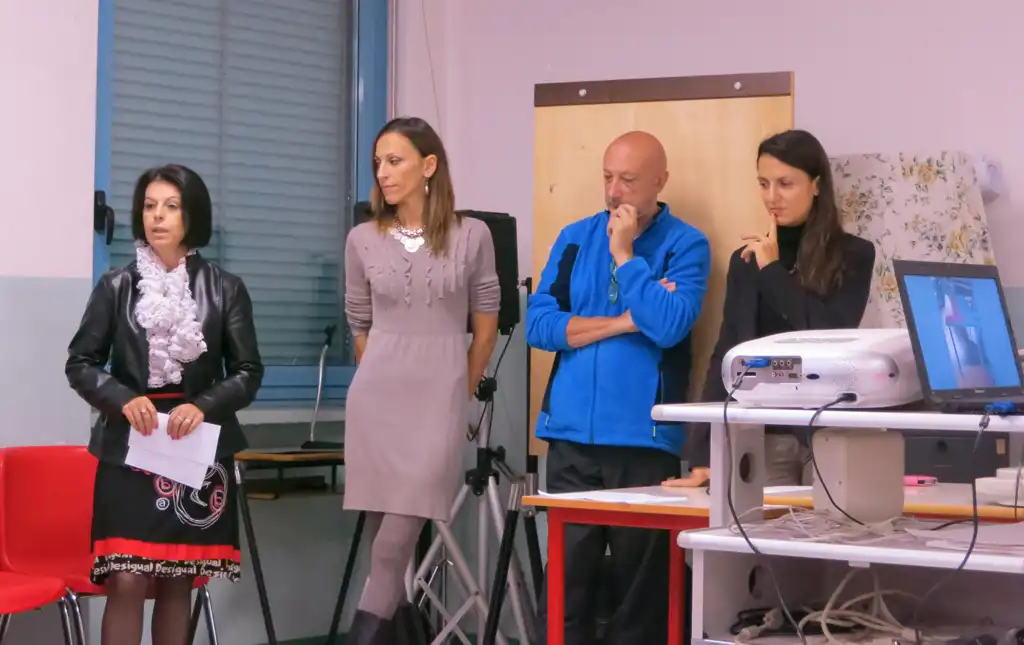
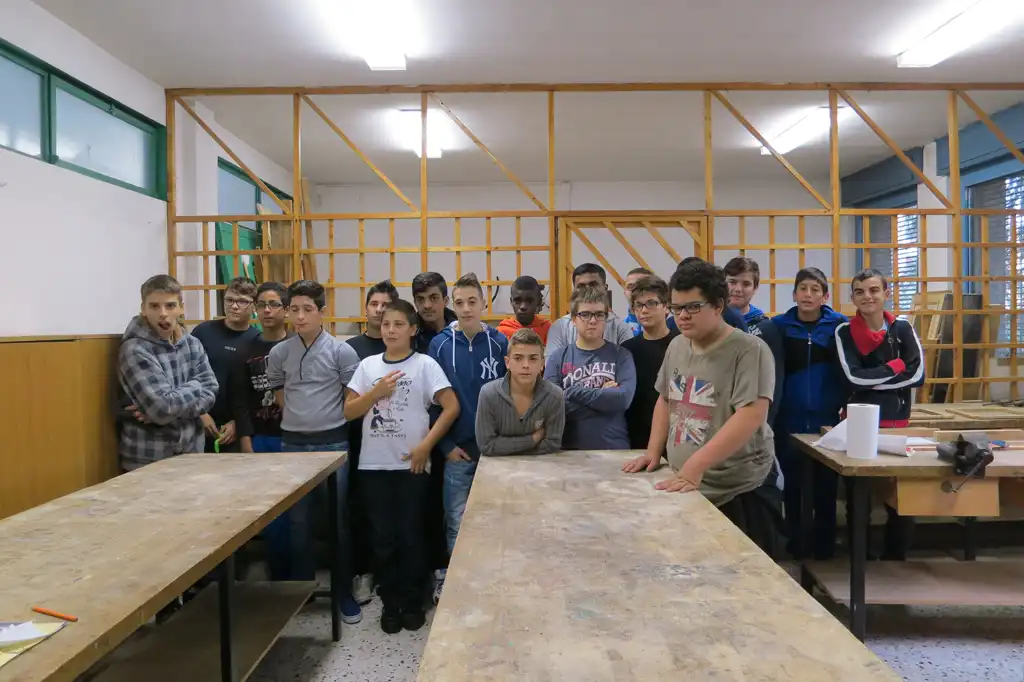
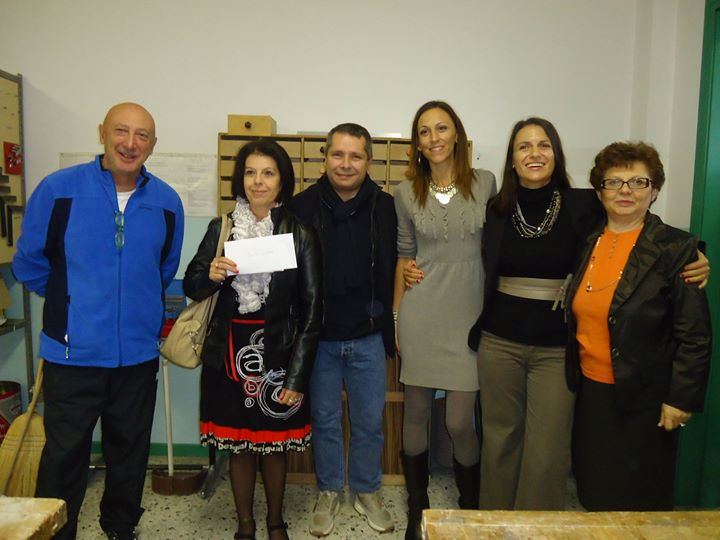
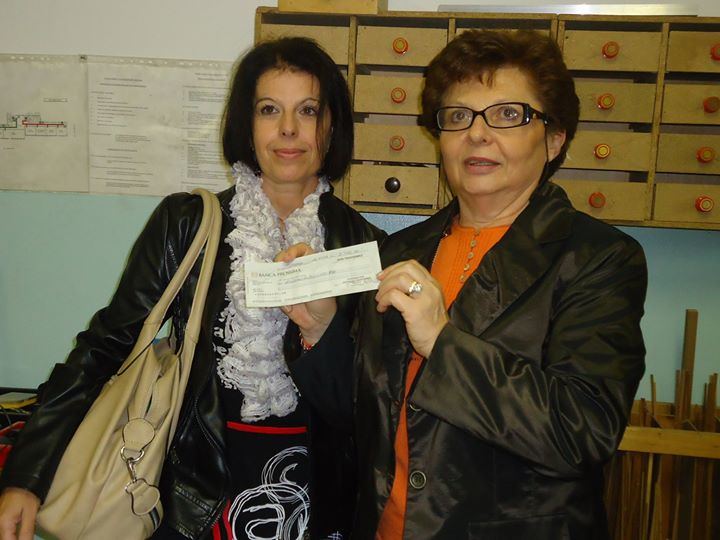
In addition to teaching a trade, the Geppetto project aims to use art to positively influence brain development, skills, creativity, and self-esteem. It also fosters interaction with the outside world while providing a wide range of abilities that facilitate self-expression and communication.
Special emphasis will be placed on problem-solving skills, leading students to understand that problems can have more than one solution and that every question can have multiple answers. Solutions are rarely fixed; rather, they change based on circumstances and opportunities. Indeed, in artistic creation, both the willingness and the ability to embrace unexpected solutions offered by the evolving work are essential, as is developing a multiple perspective, which also shapes how one observes and interprets reality.
From the standpoint of social development, young people will learn to reach an alignment within themselves and regulate their own efforts. This process, along with the practice of sharing and taking turns, will promote an appreciation of others’ efforts while fostering an awareness of each individual’s uniqueness—ultimately leading to a positive sense of self-awareness.
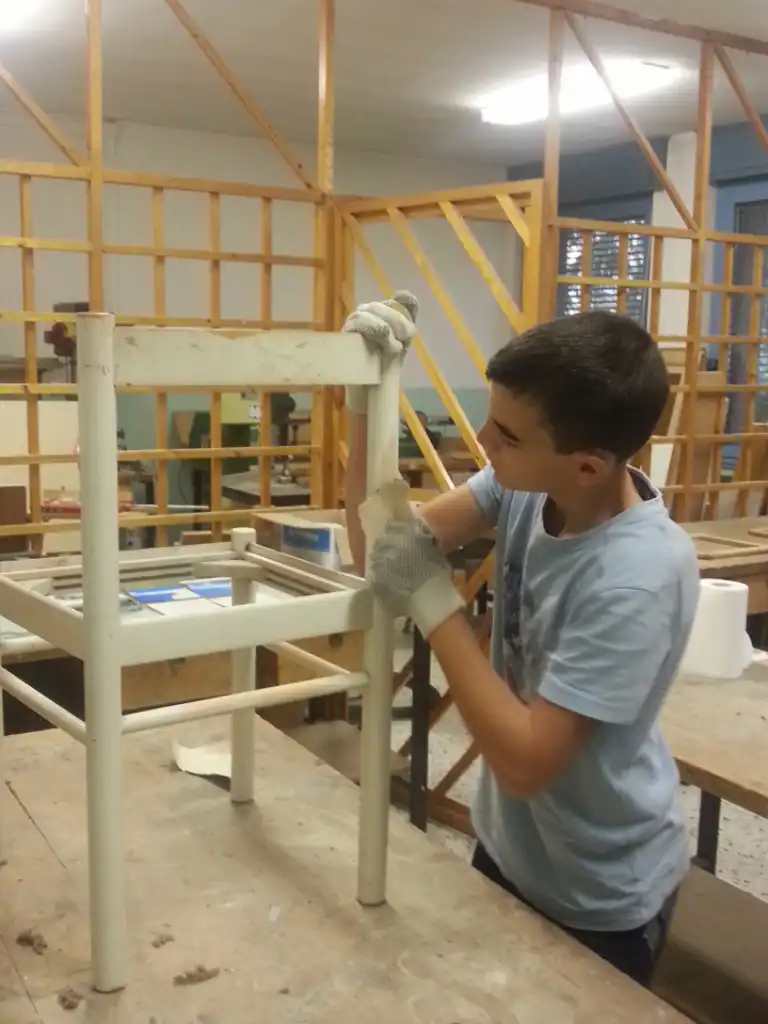
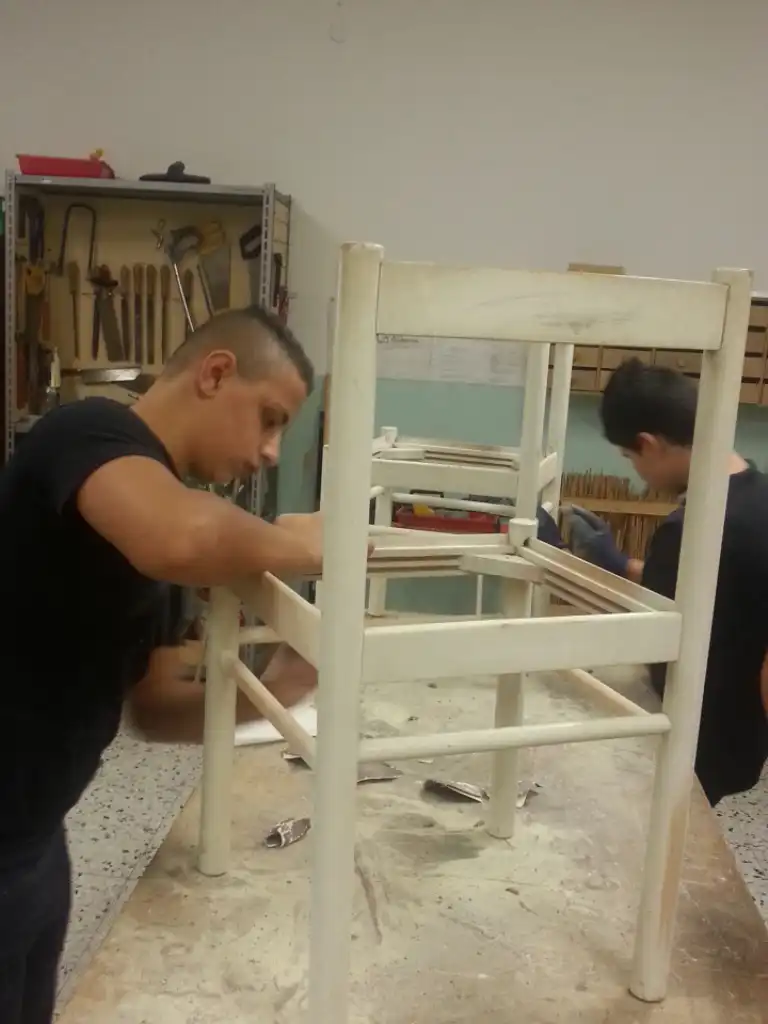
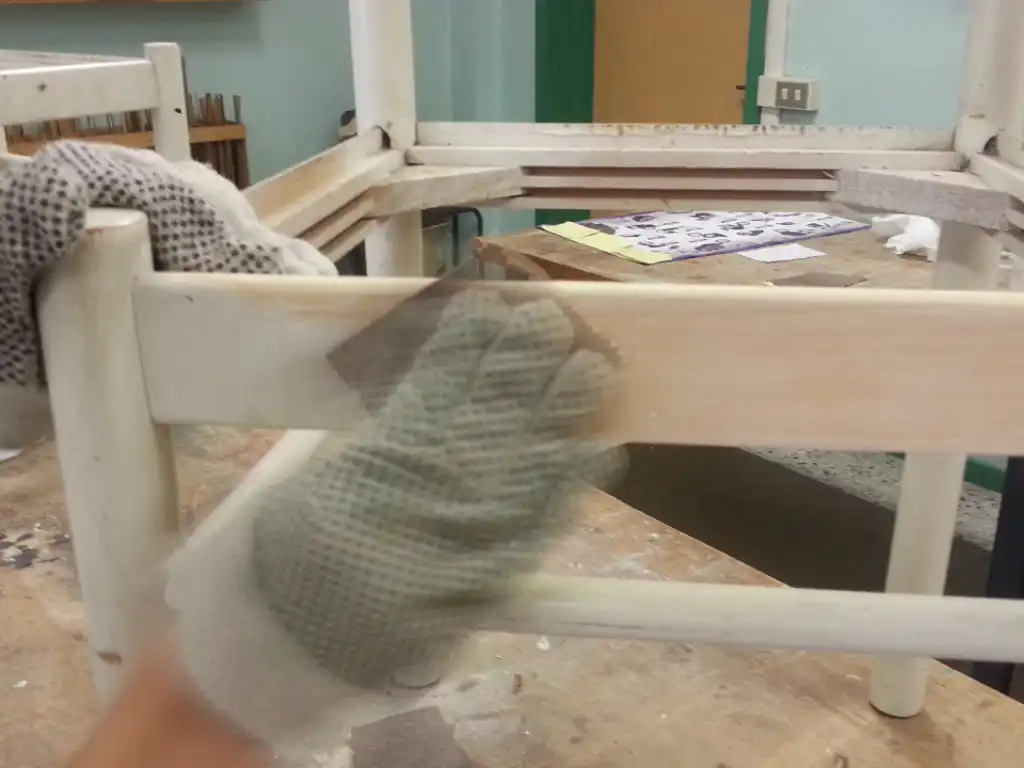
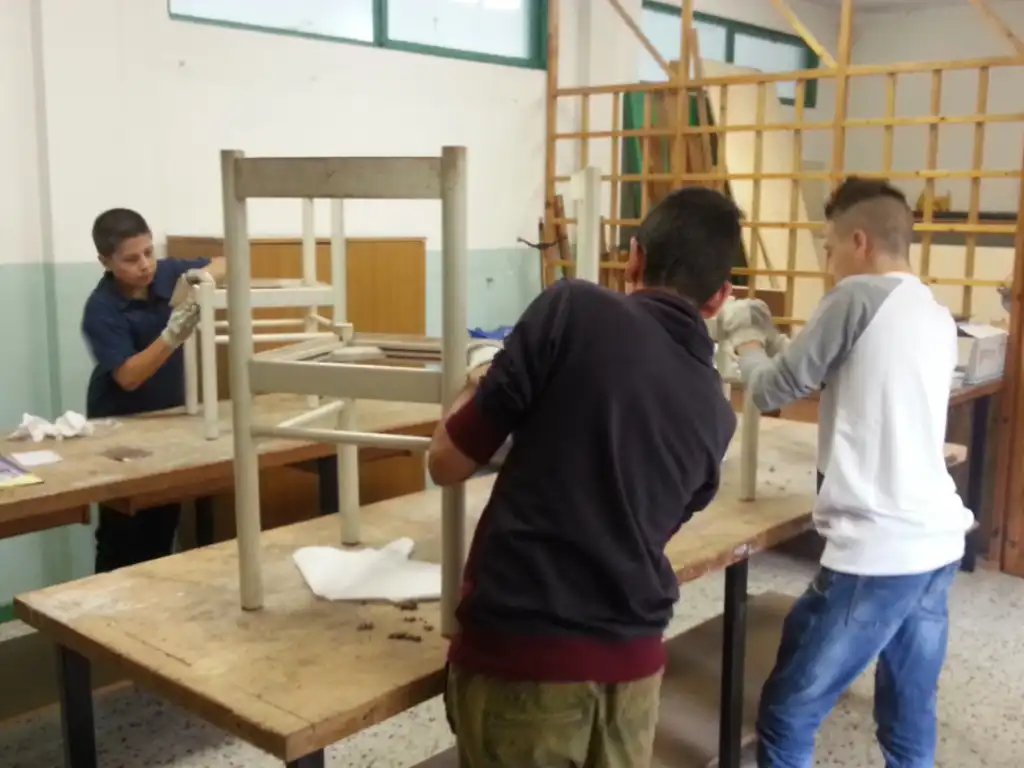
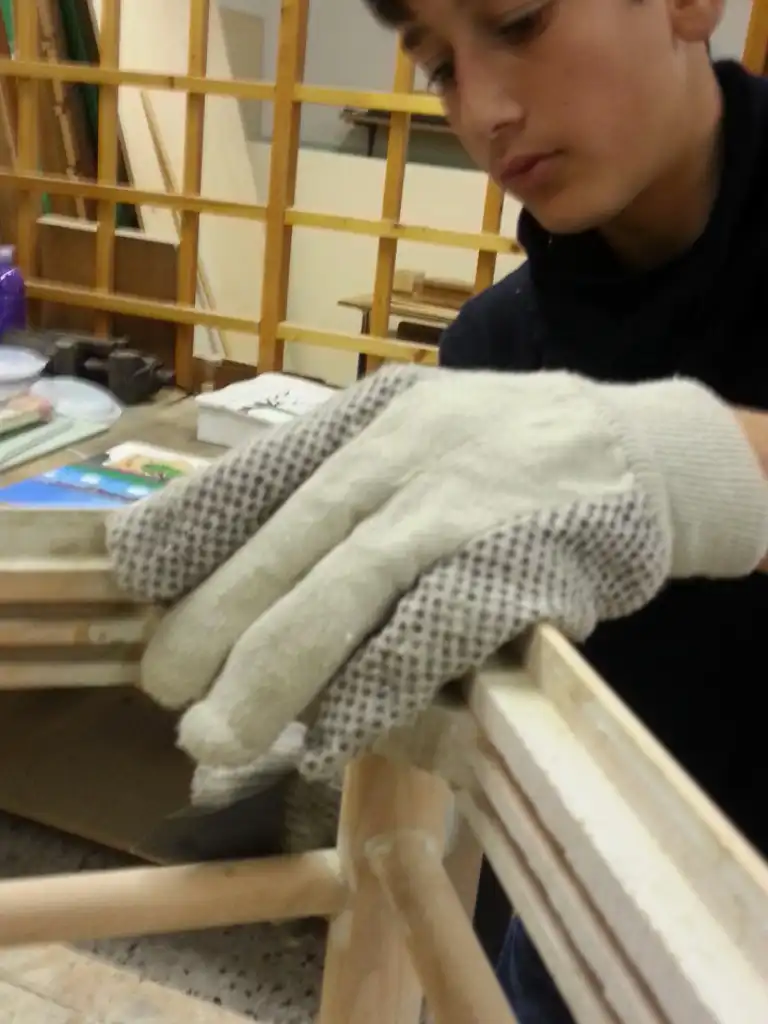
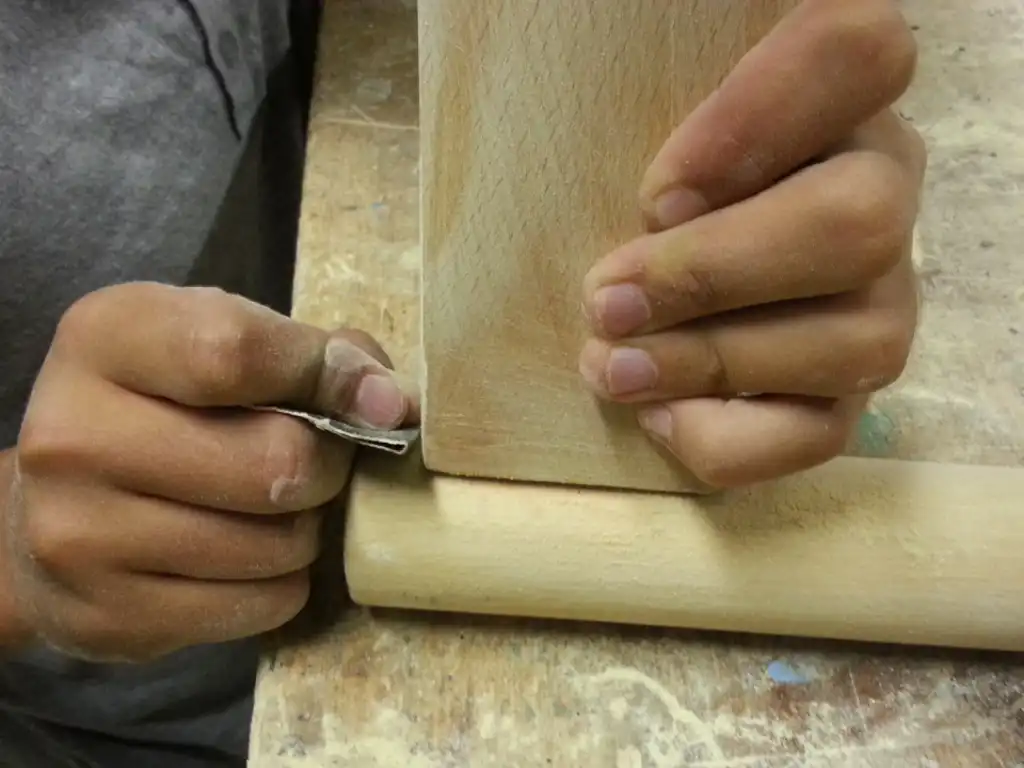
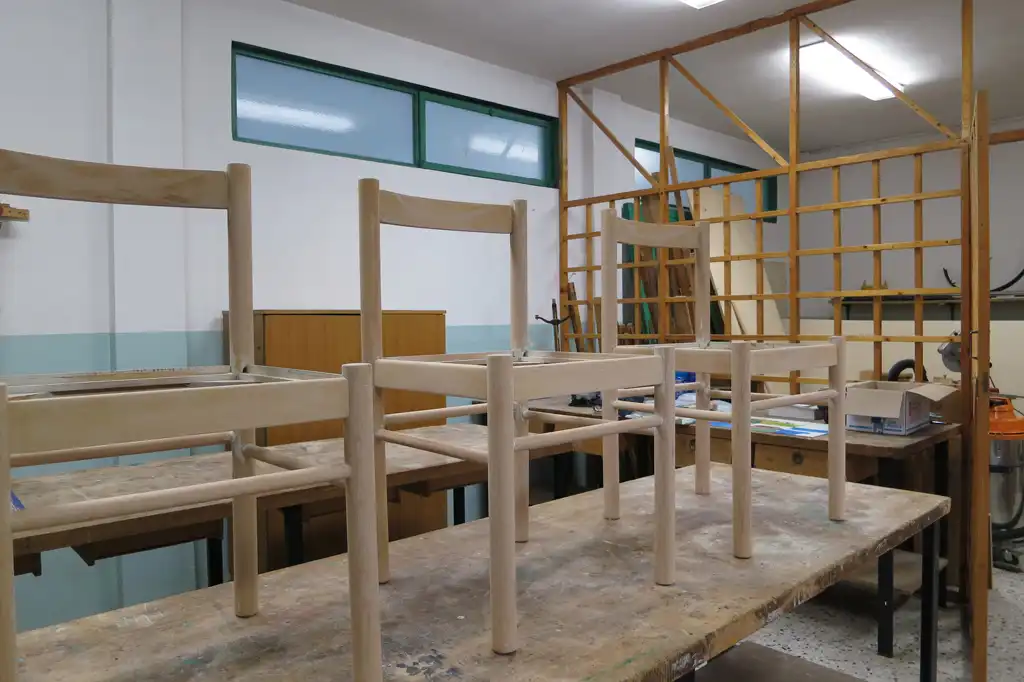
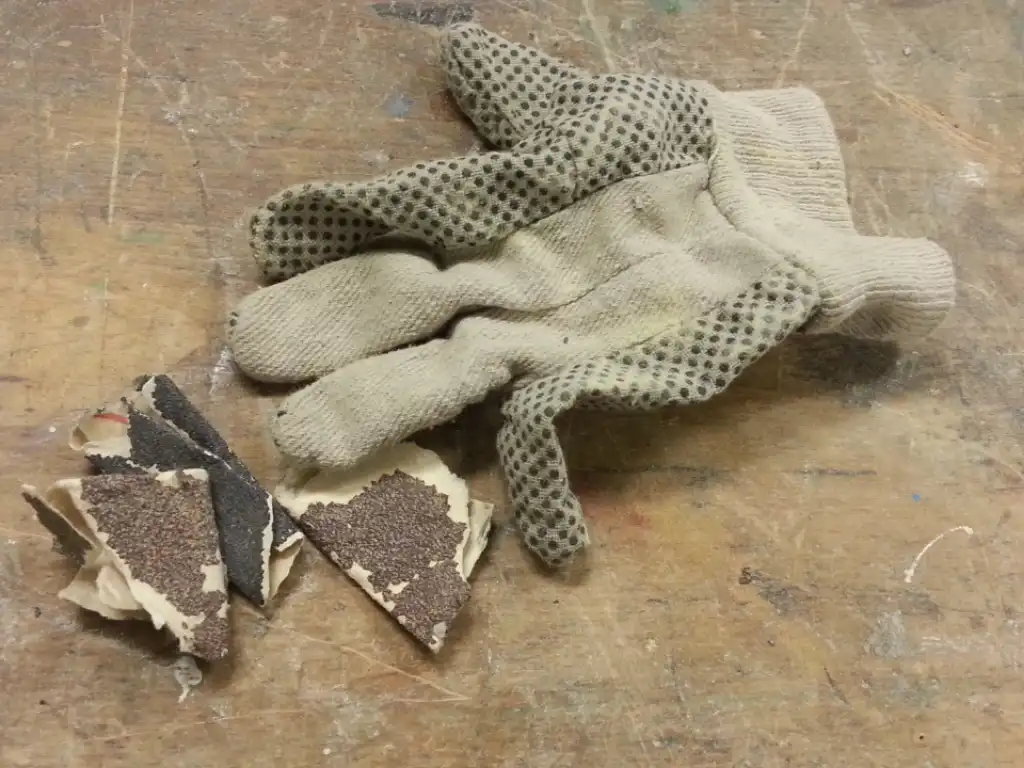
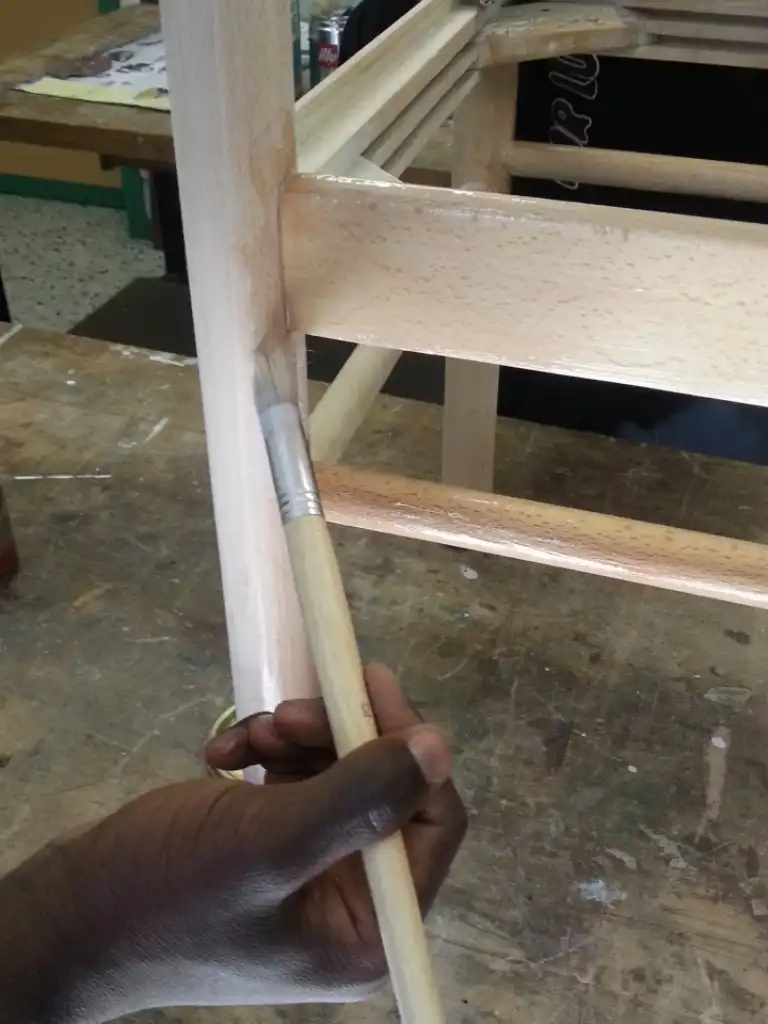
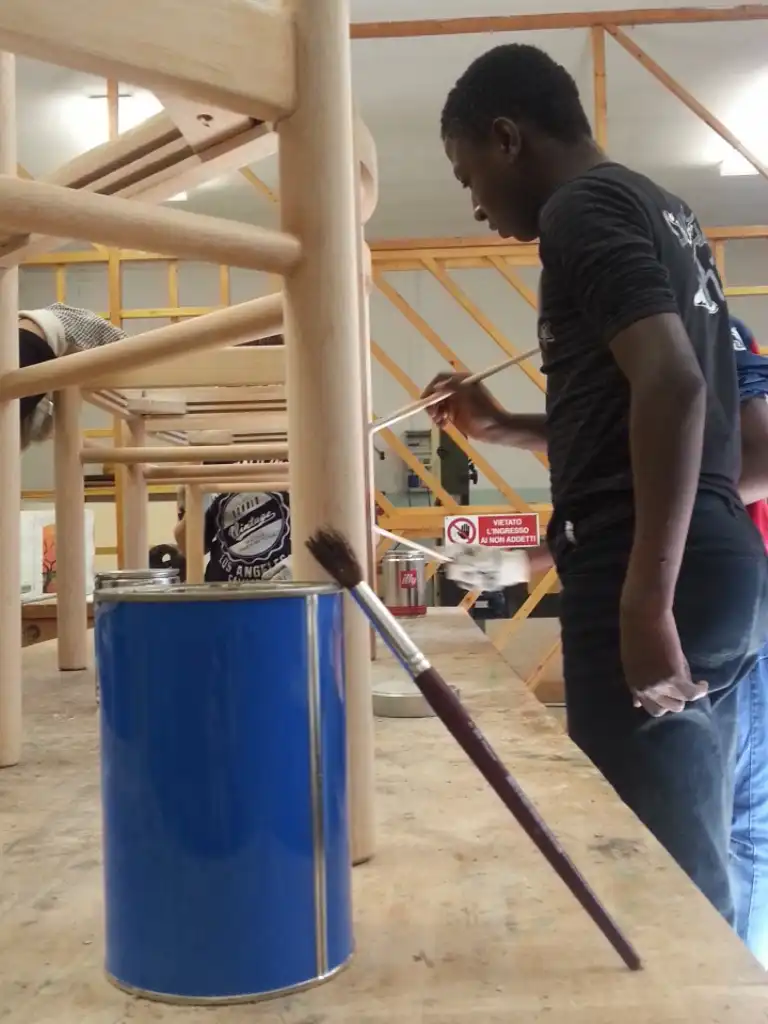
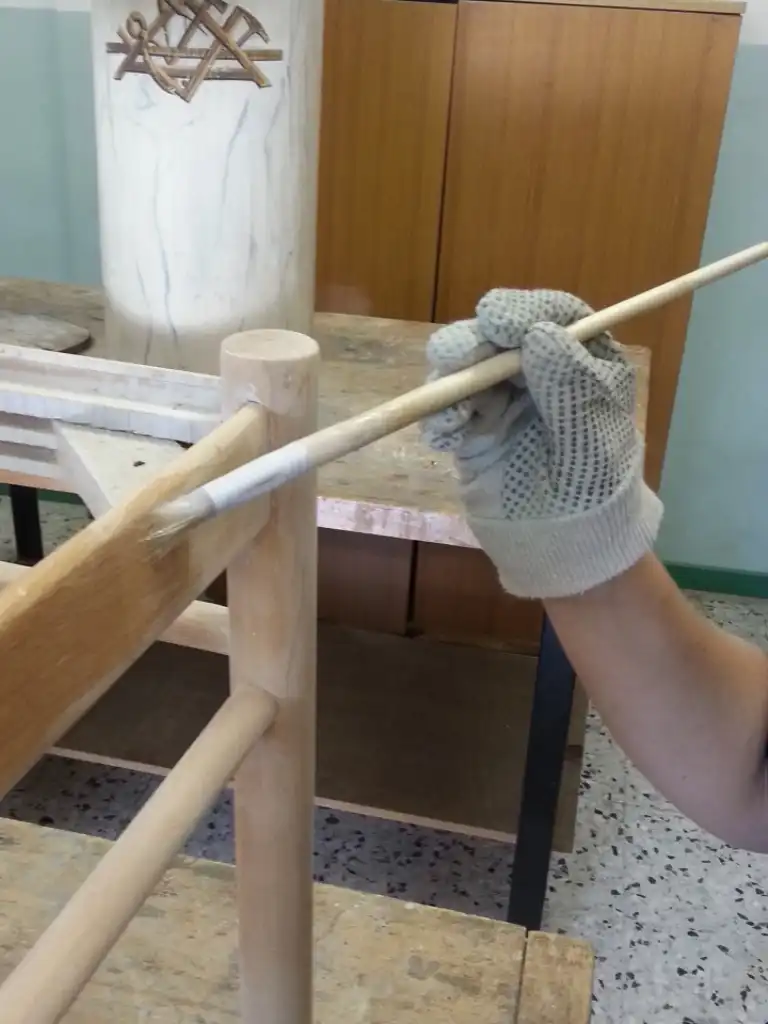
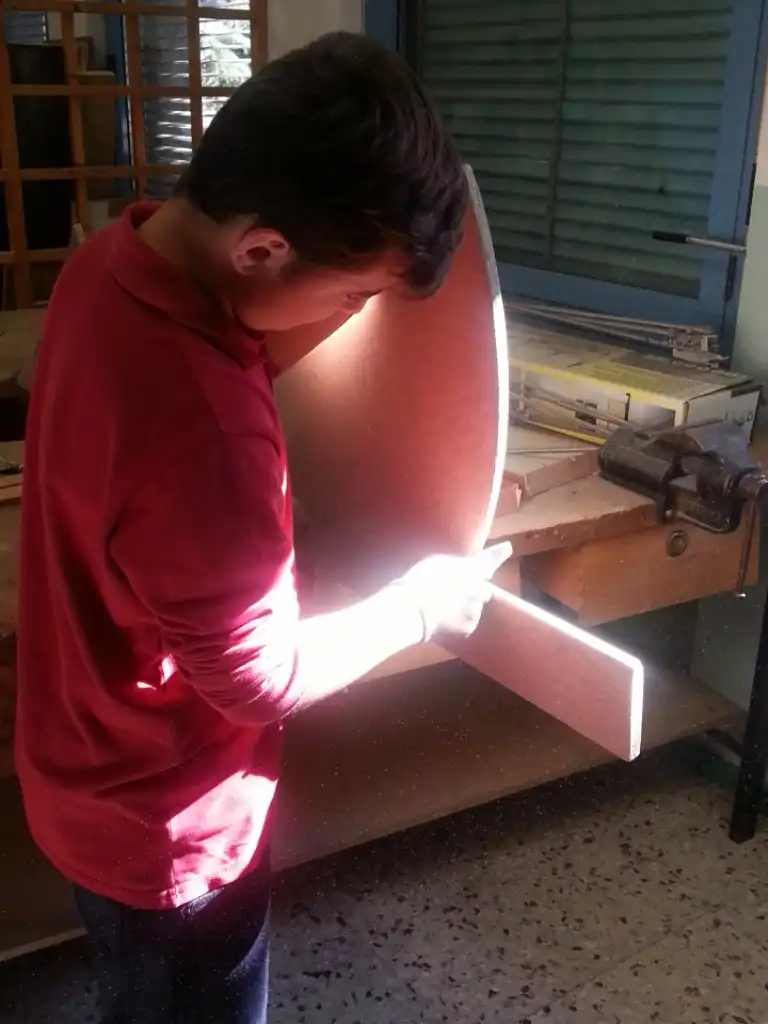
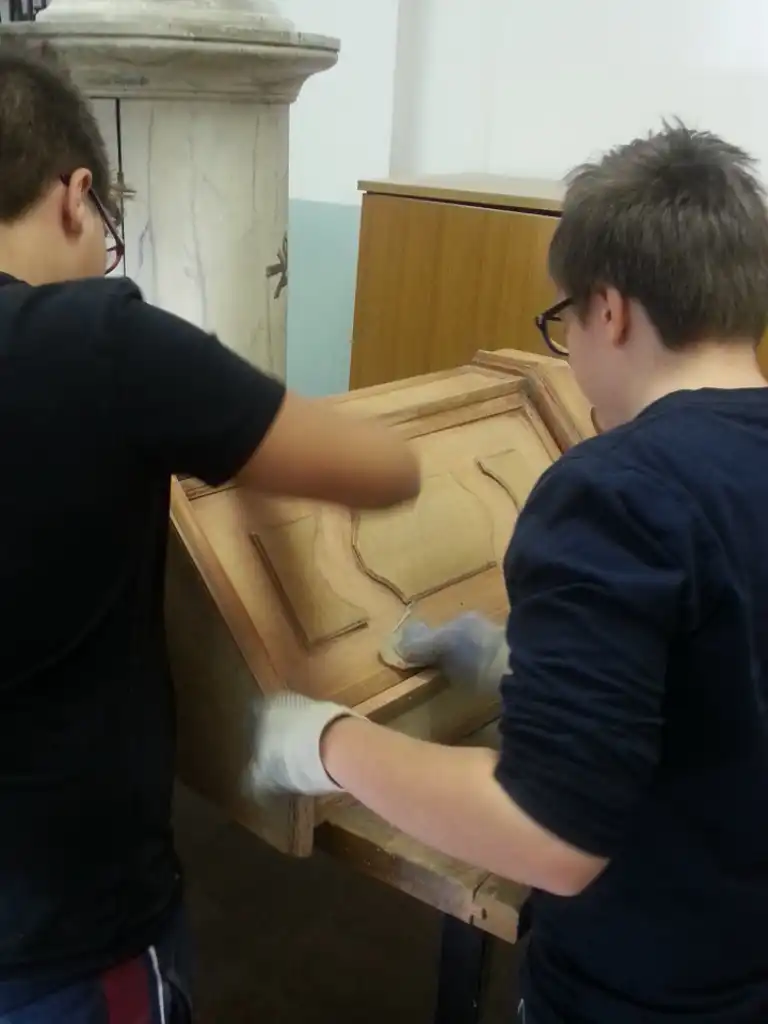
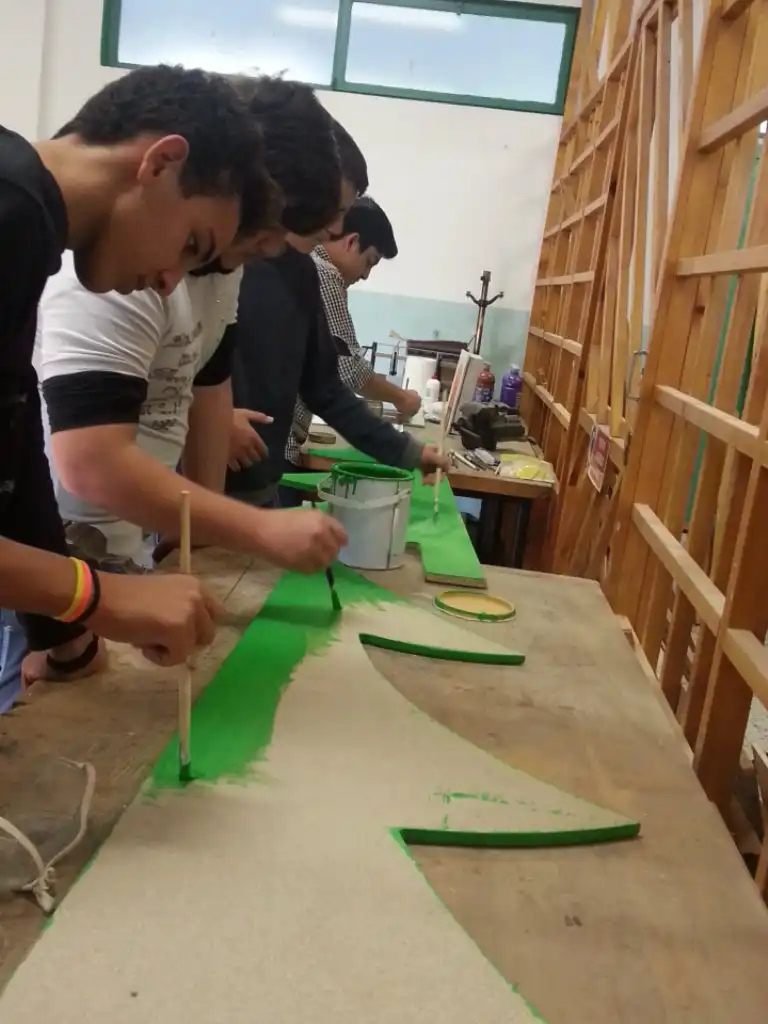
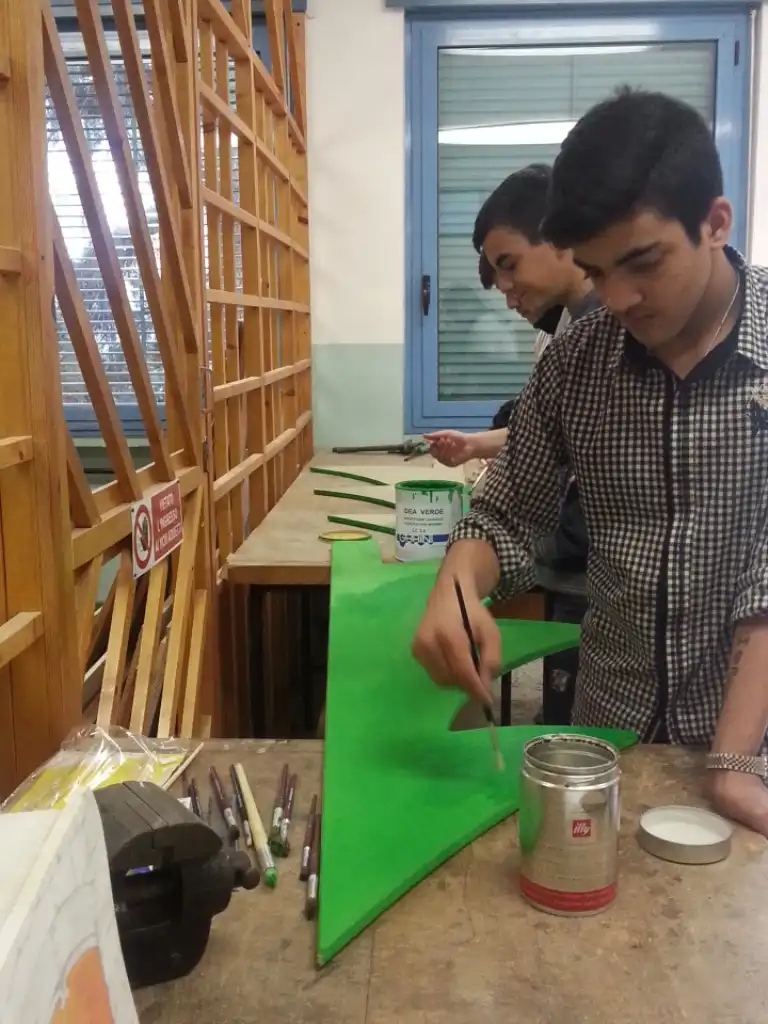
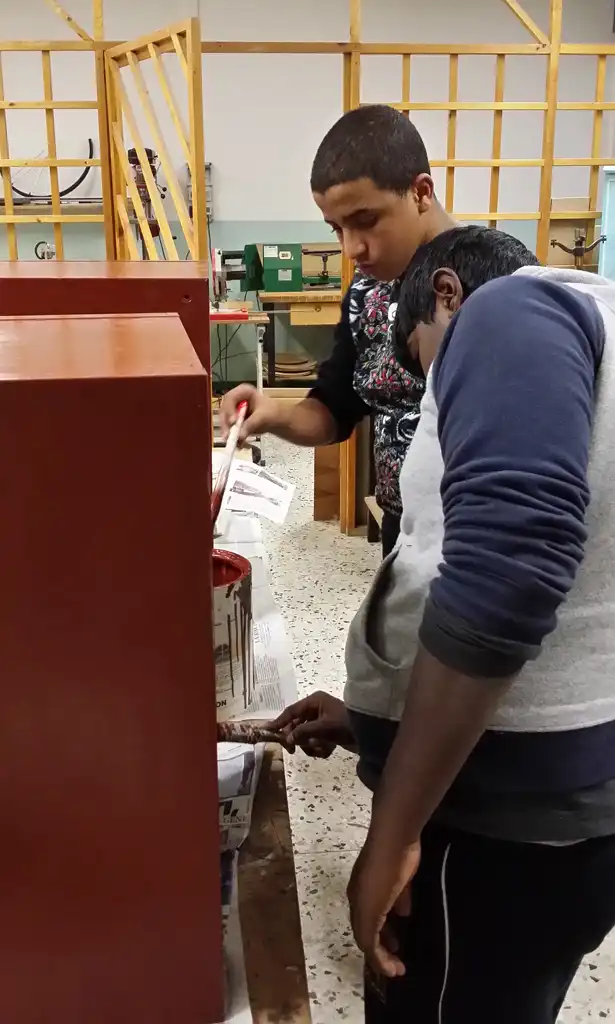
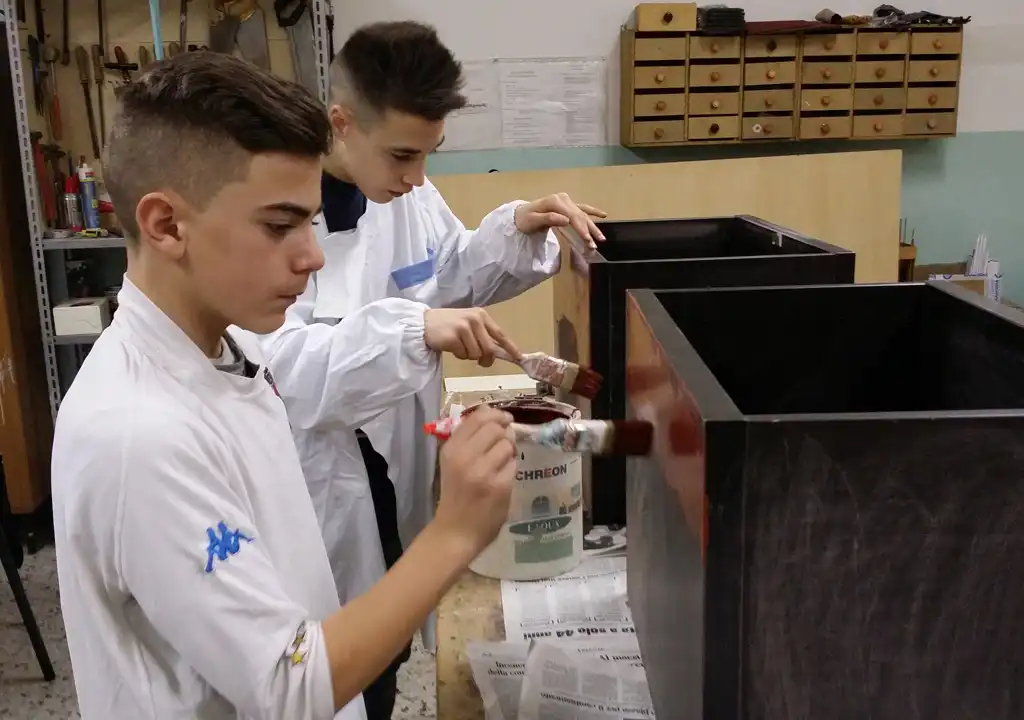
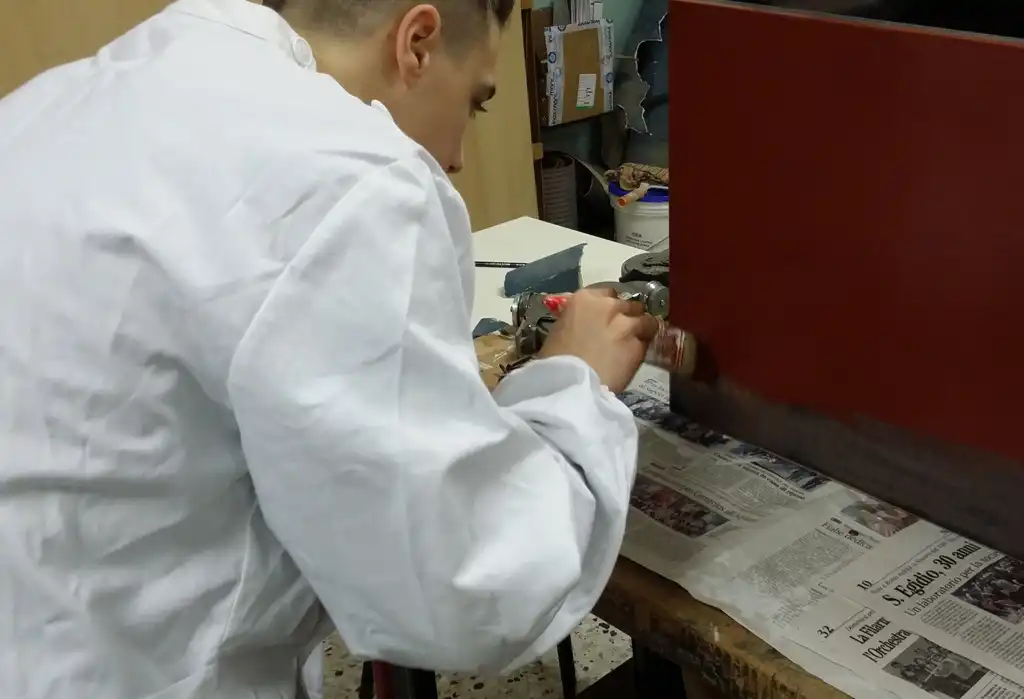
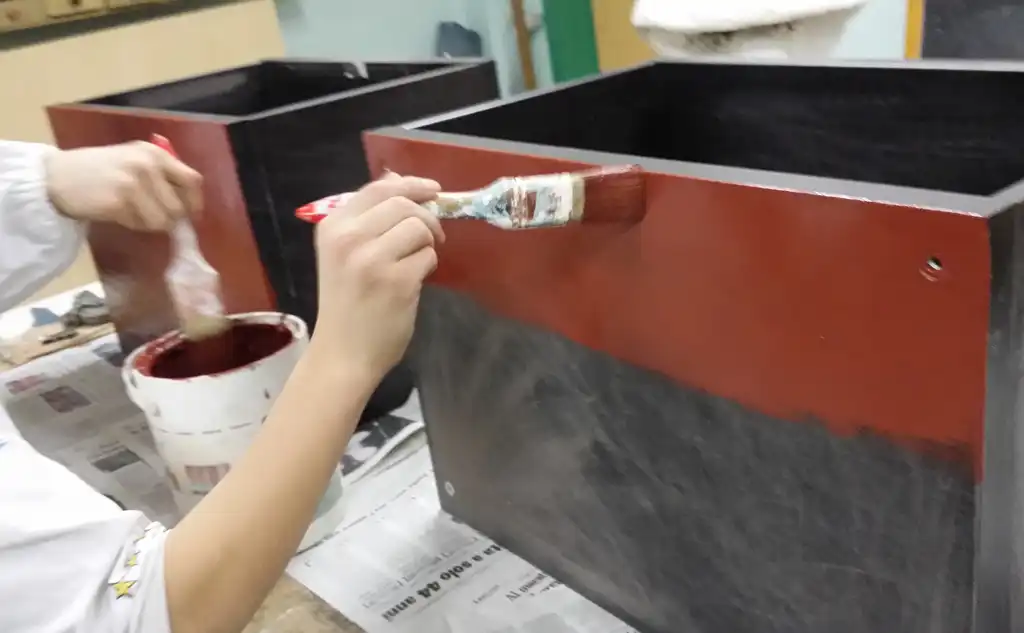
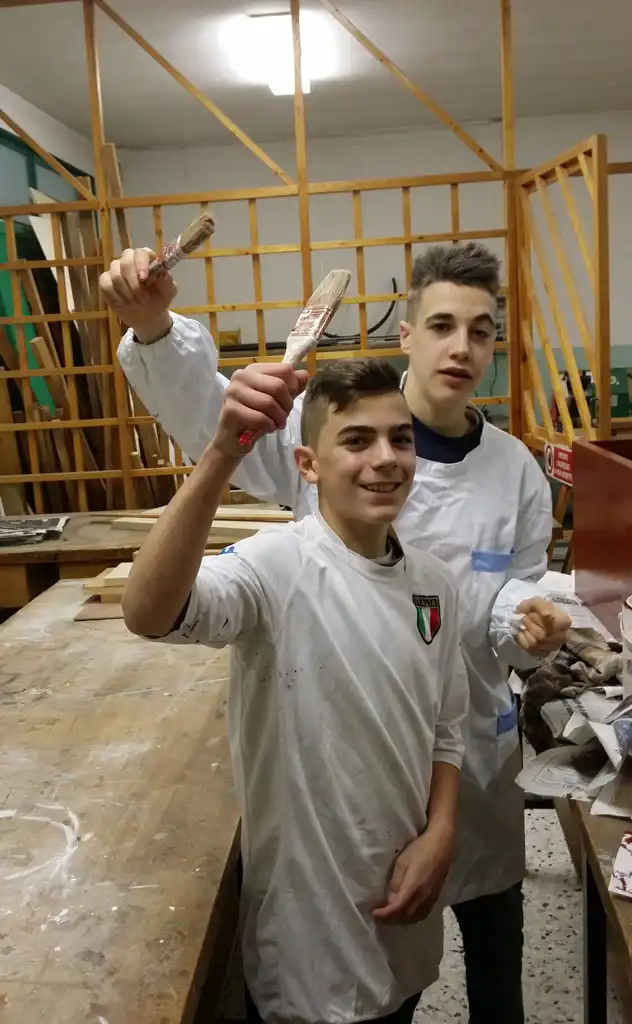
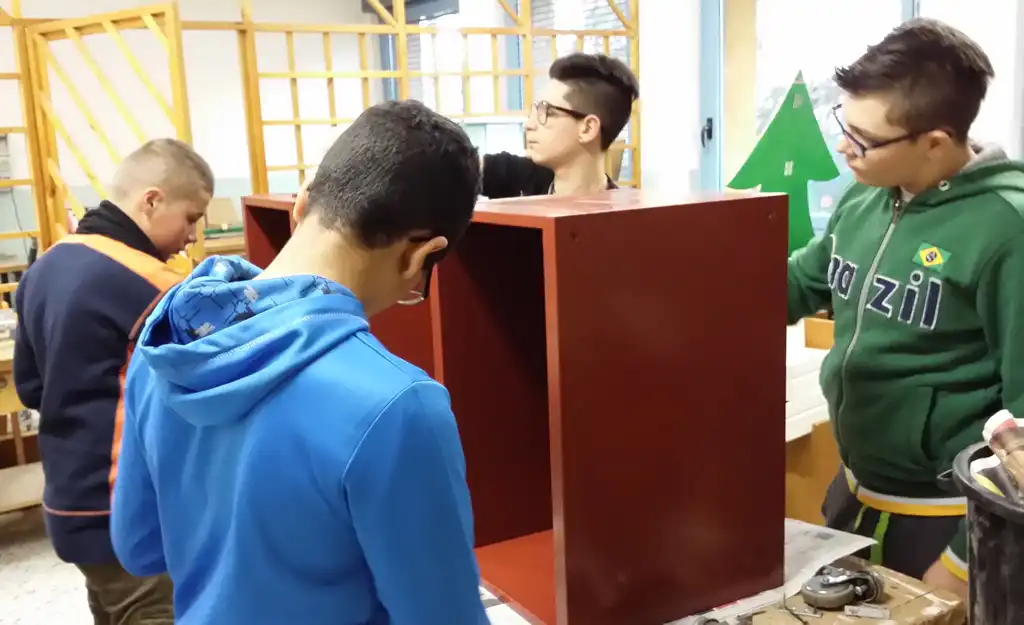
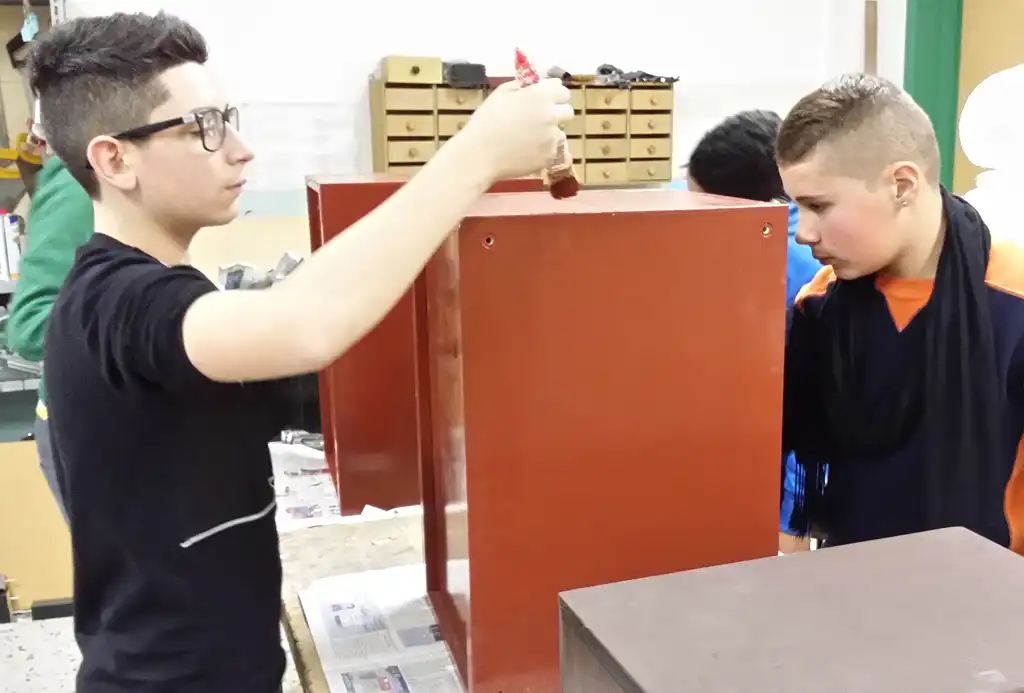
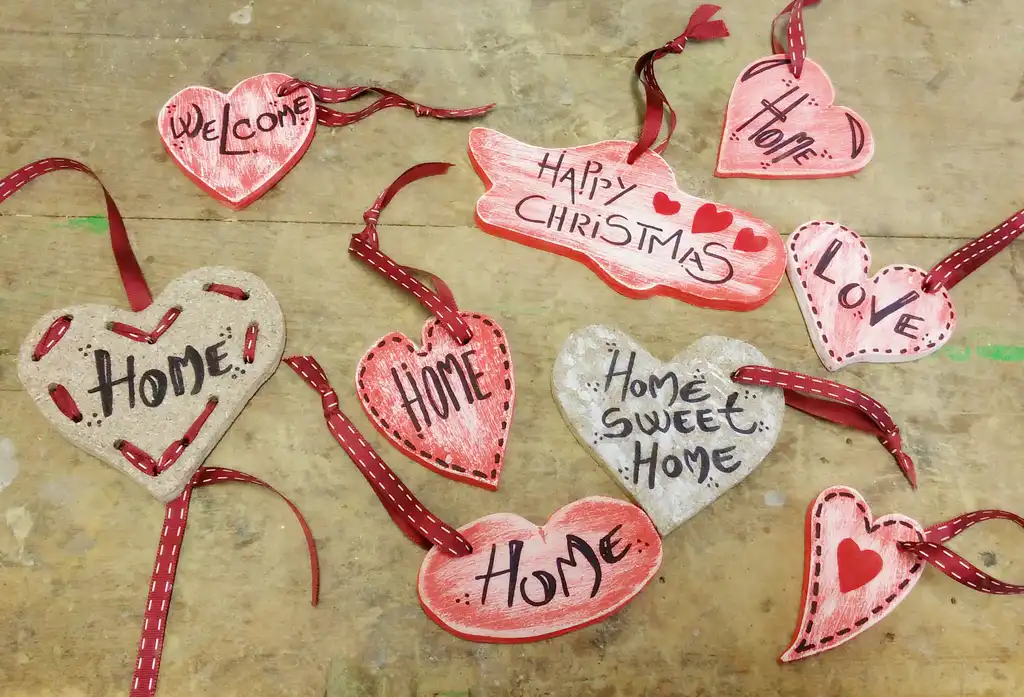
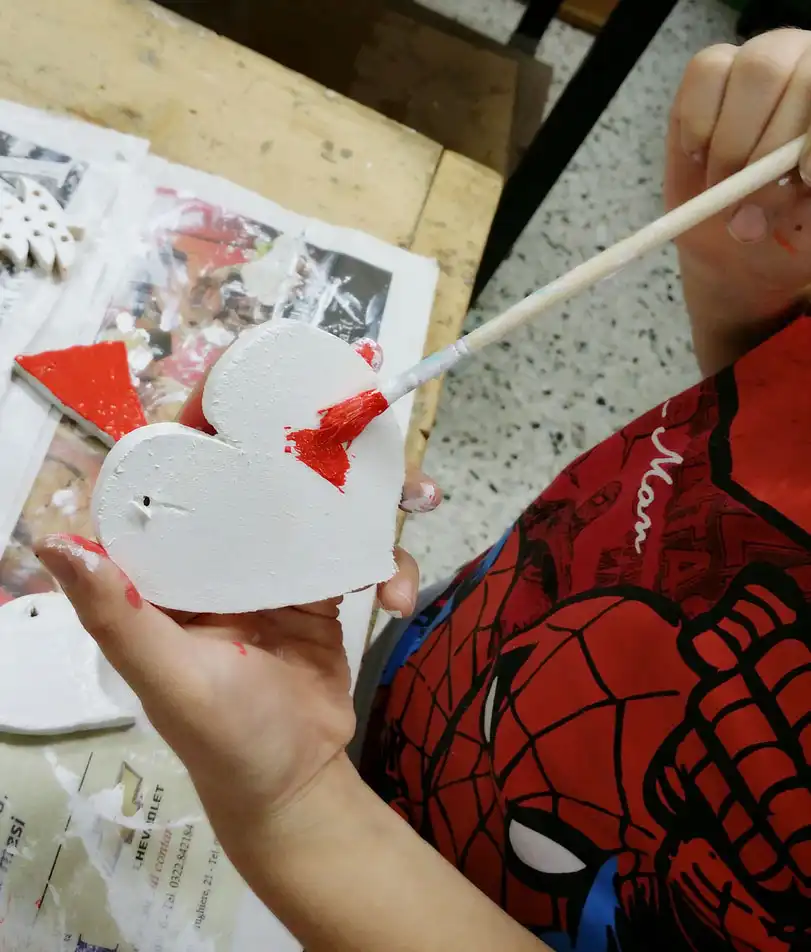
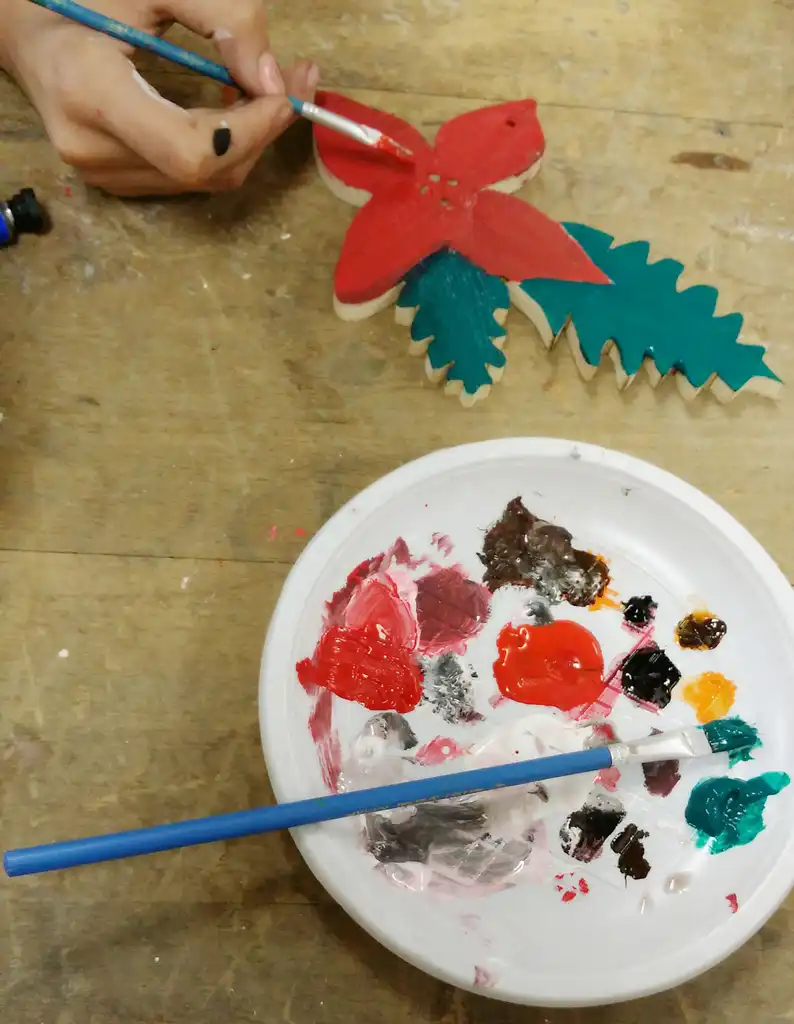
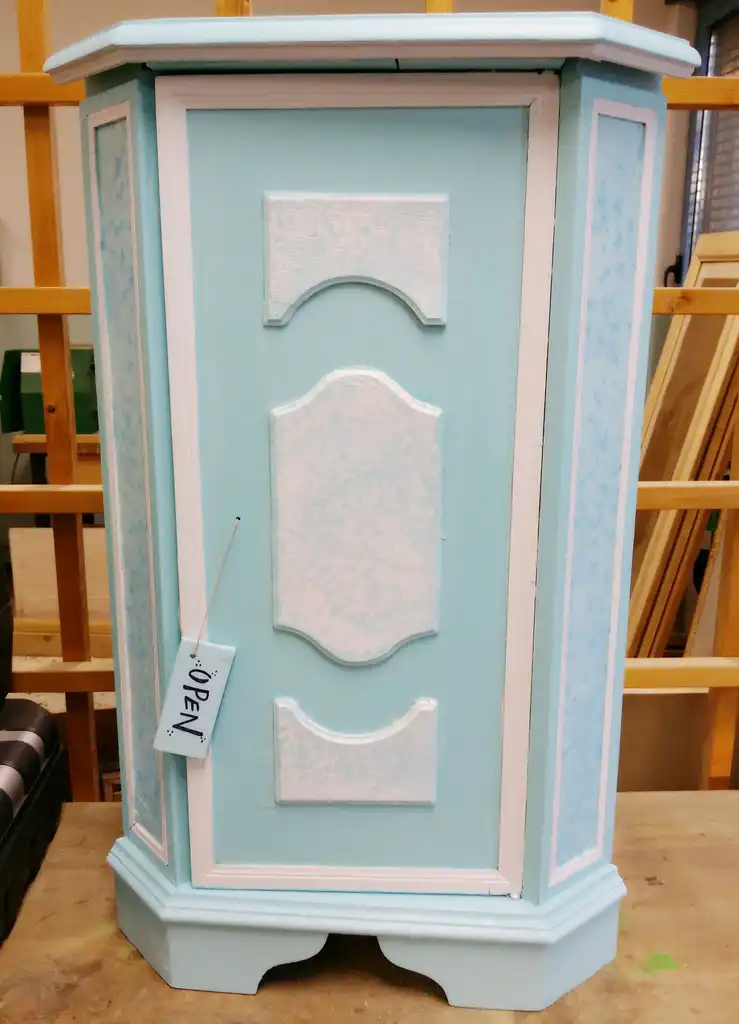
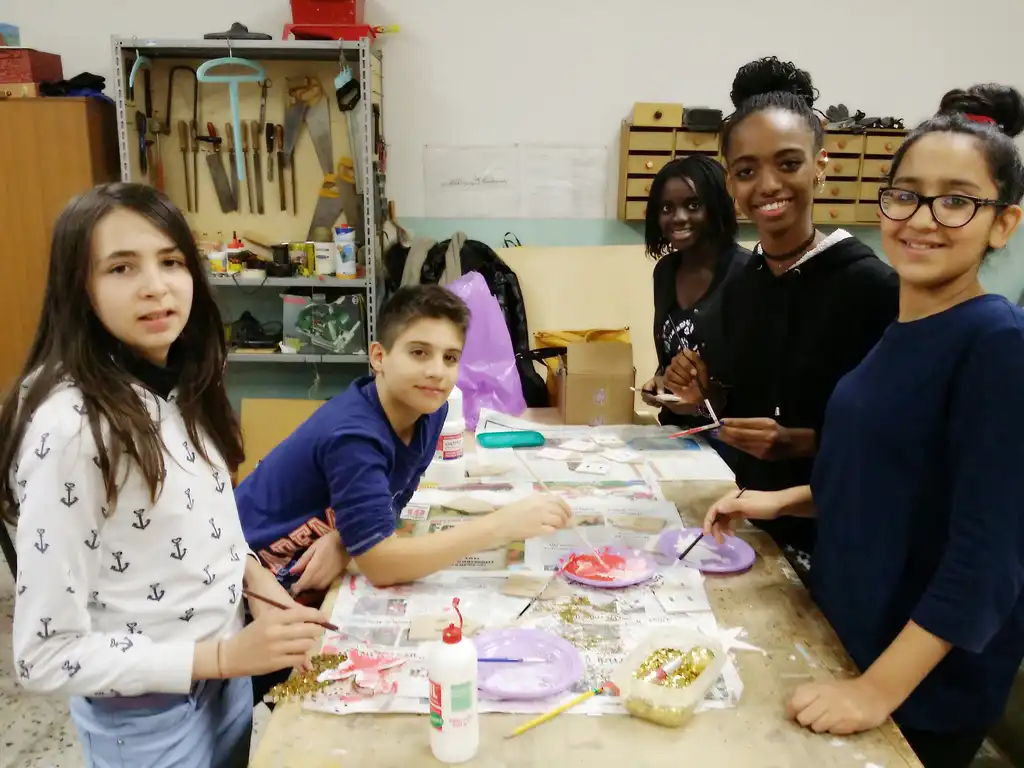
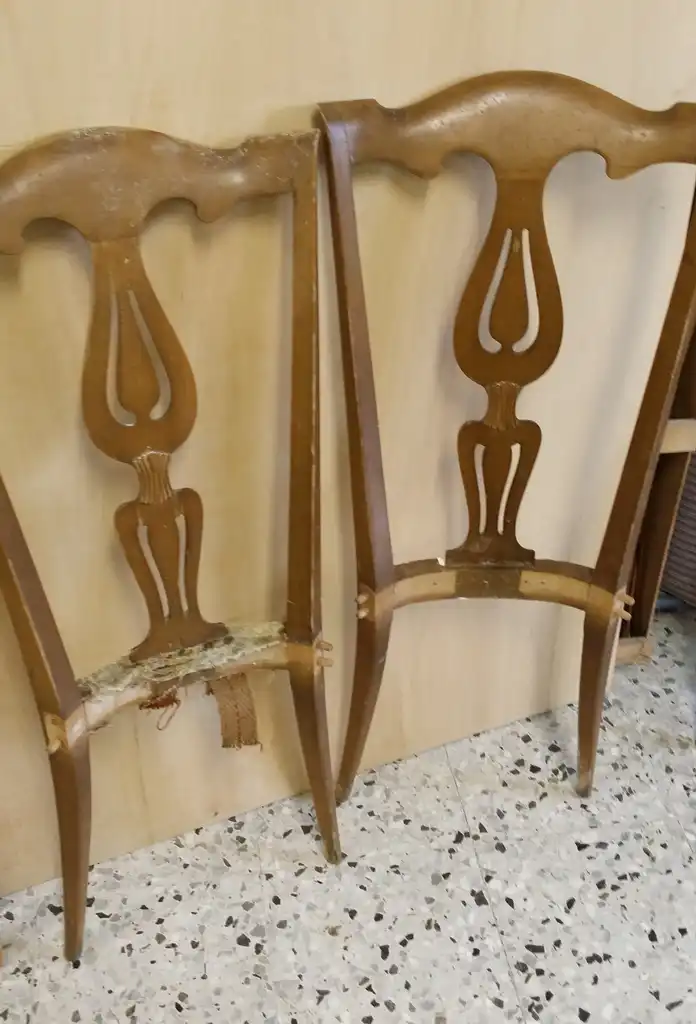
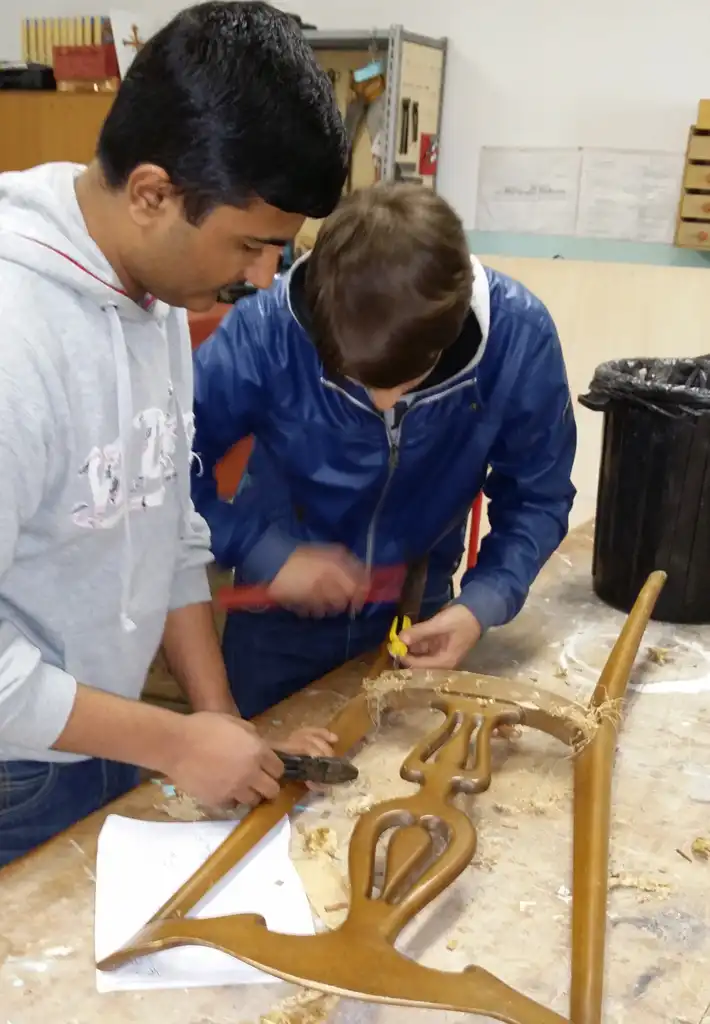
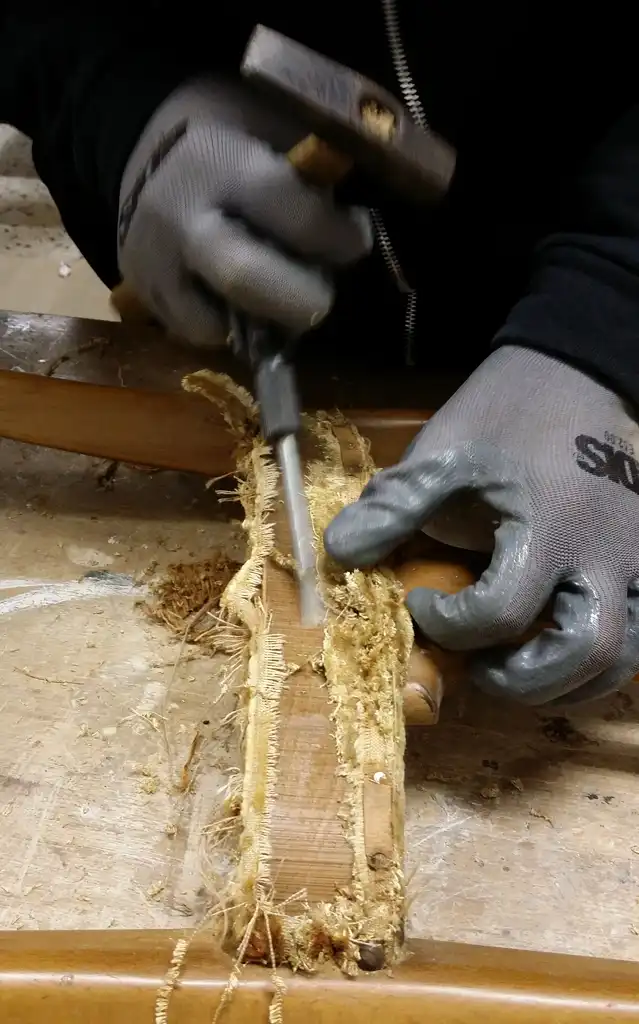
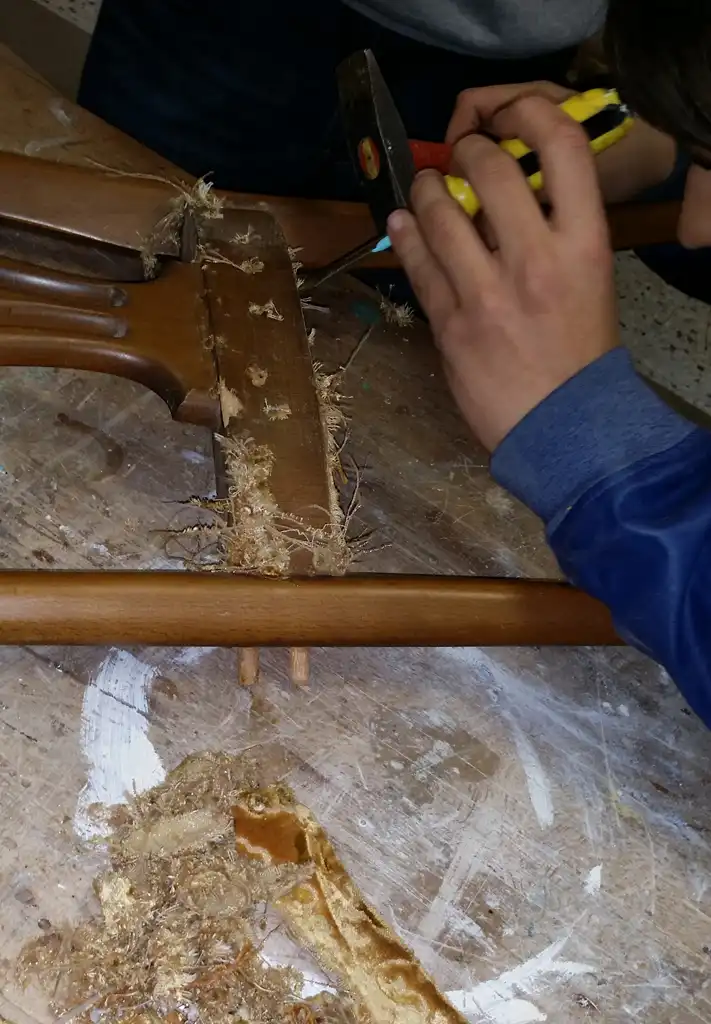
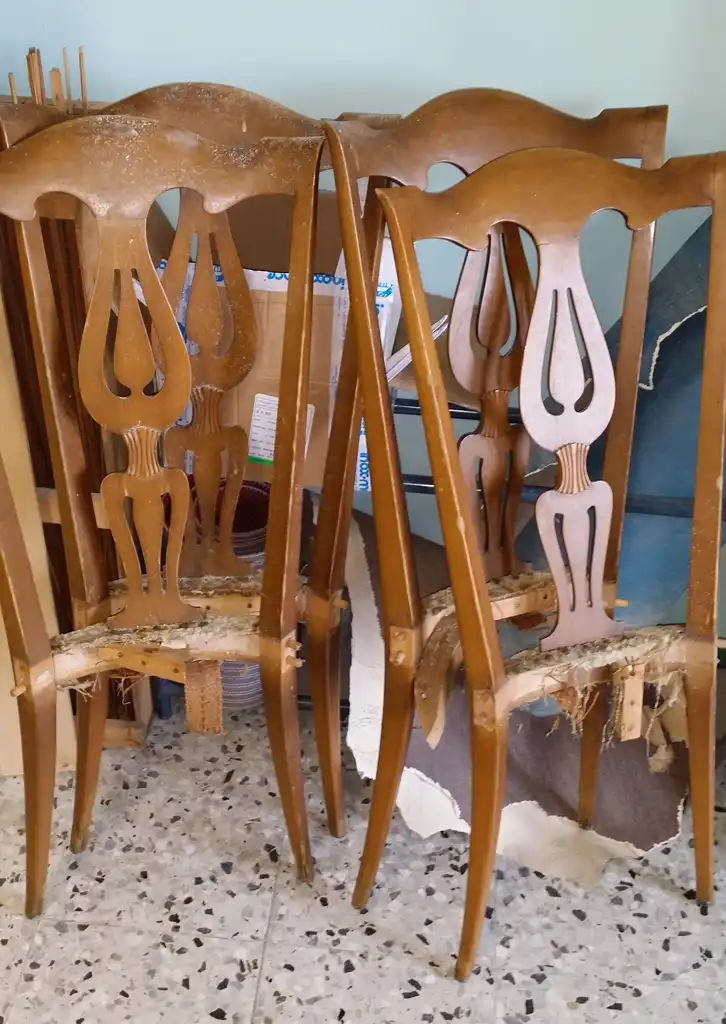
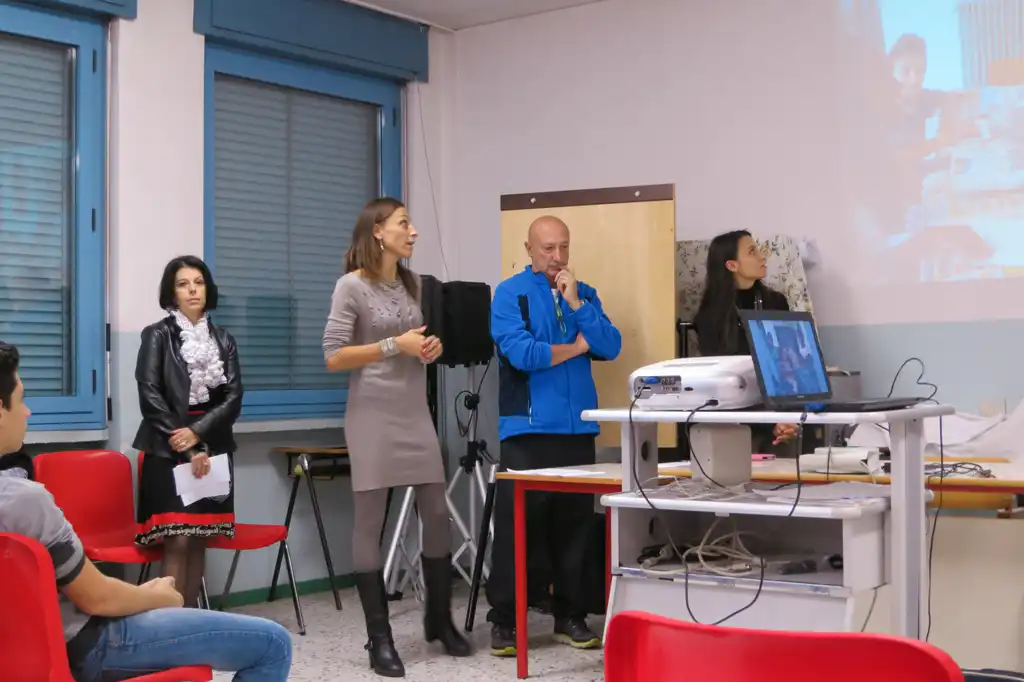
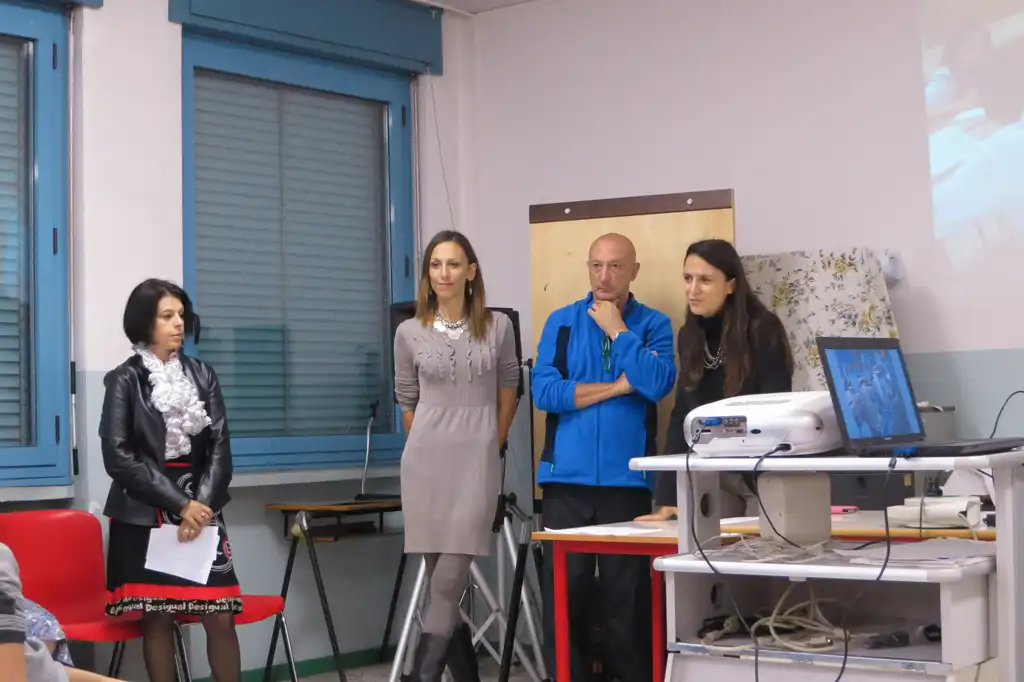
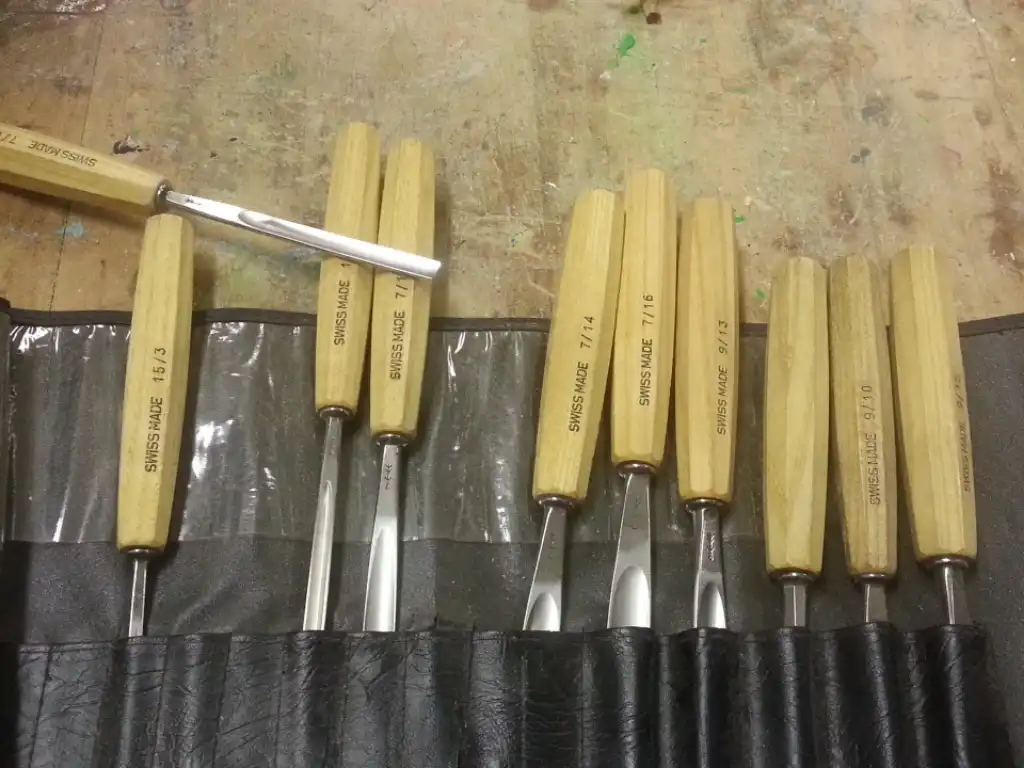
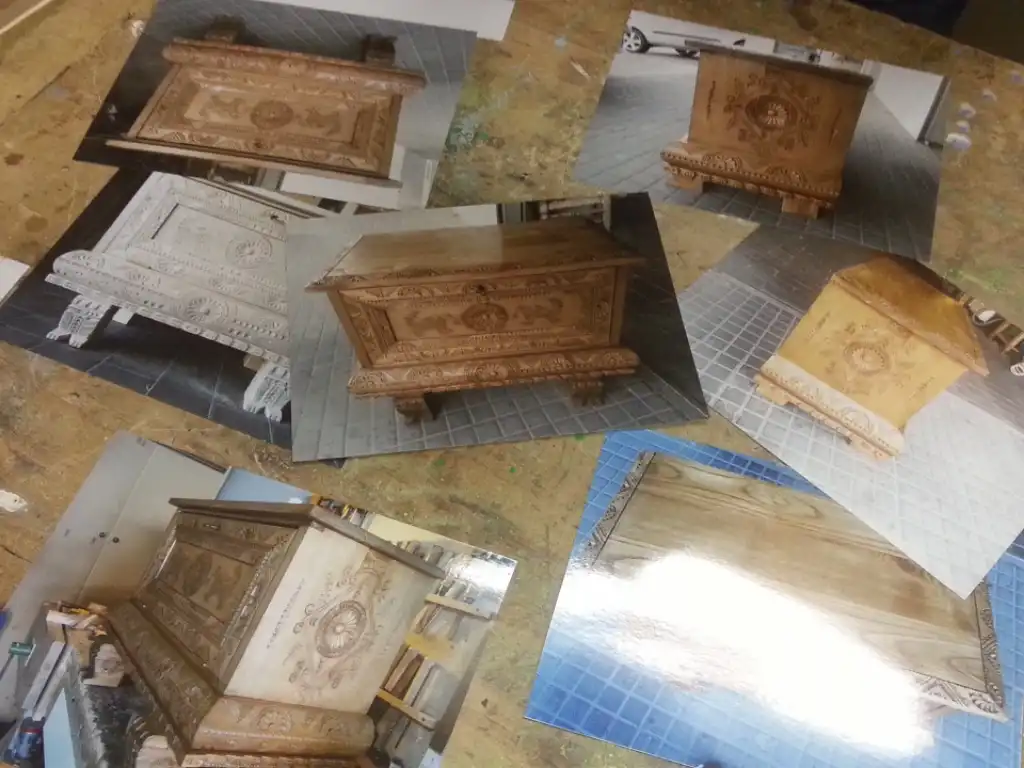
In this context, sessions will be organized with industry experts. We began with Andrea, a woodcarver, and Federico, a carpenter, with whom the students explored specific aspects of woodworking in depth.
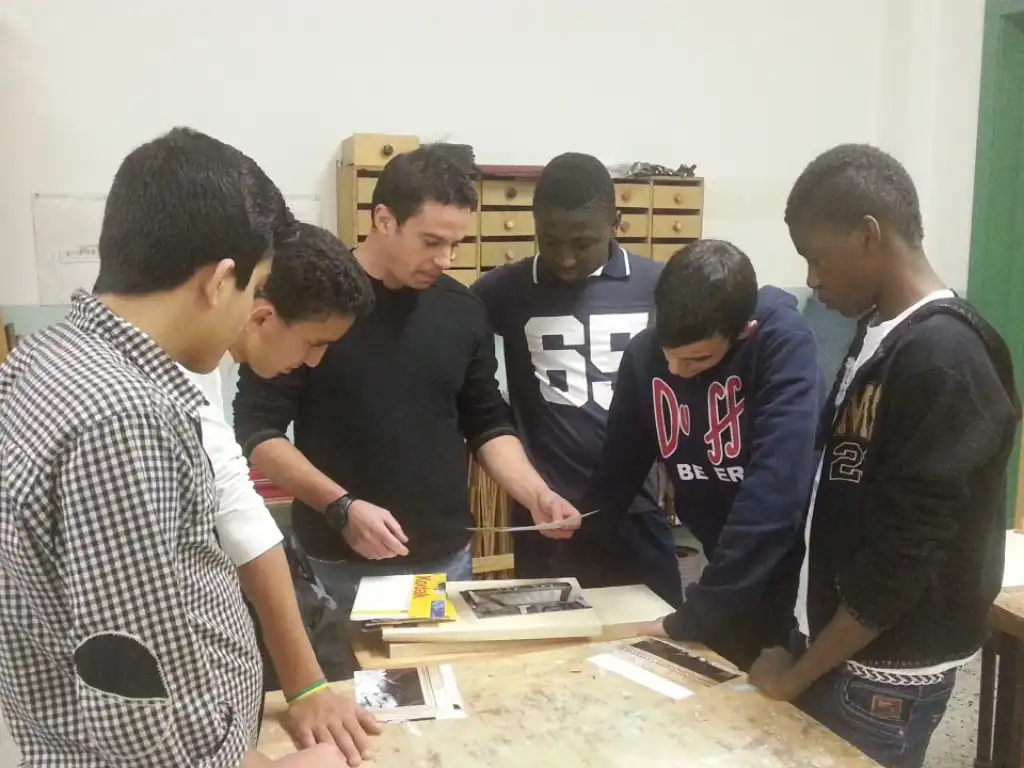
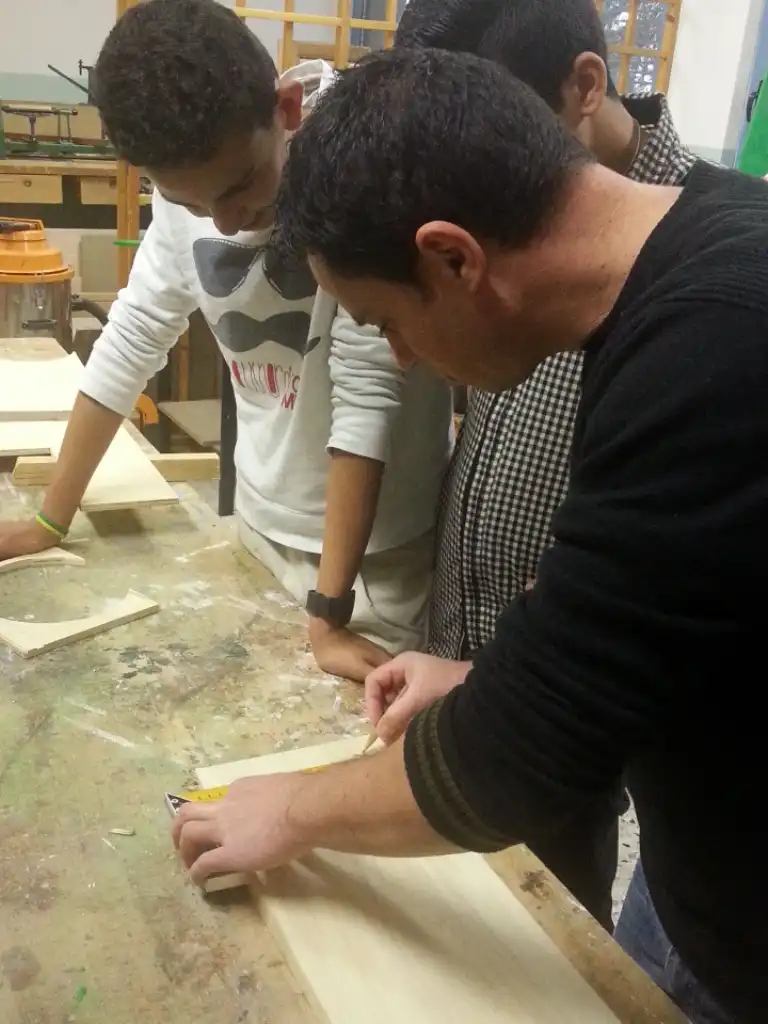
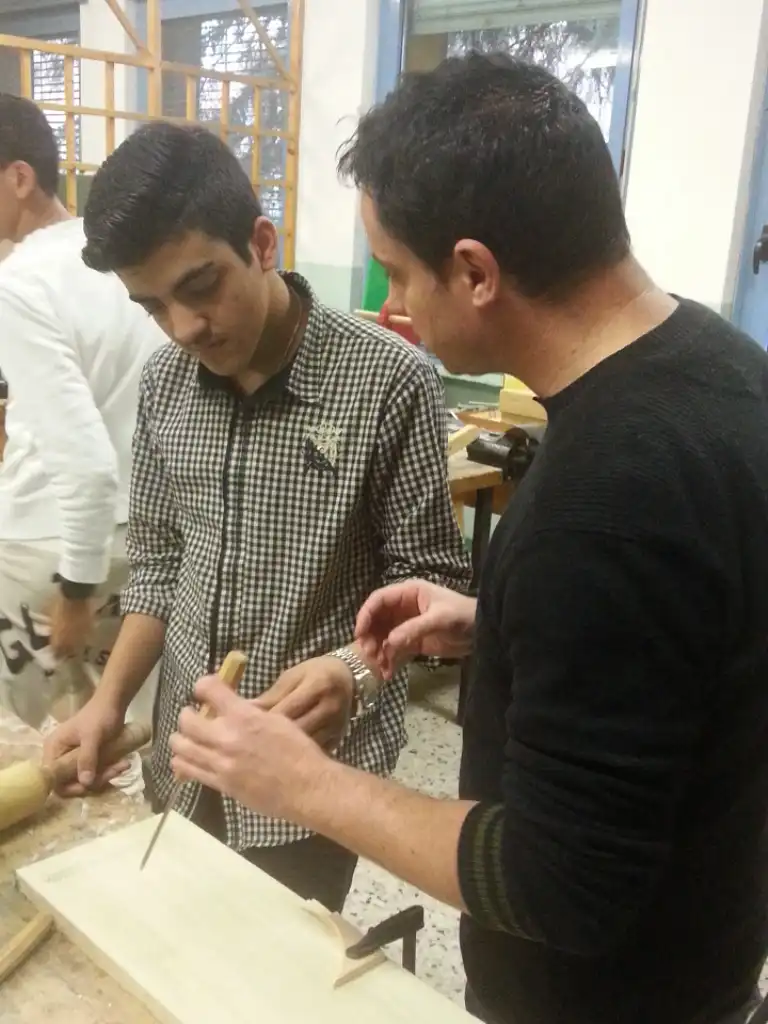
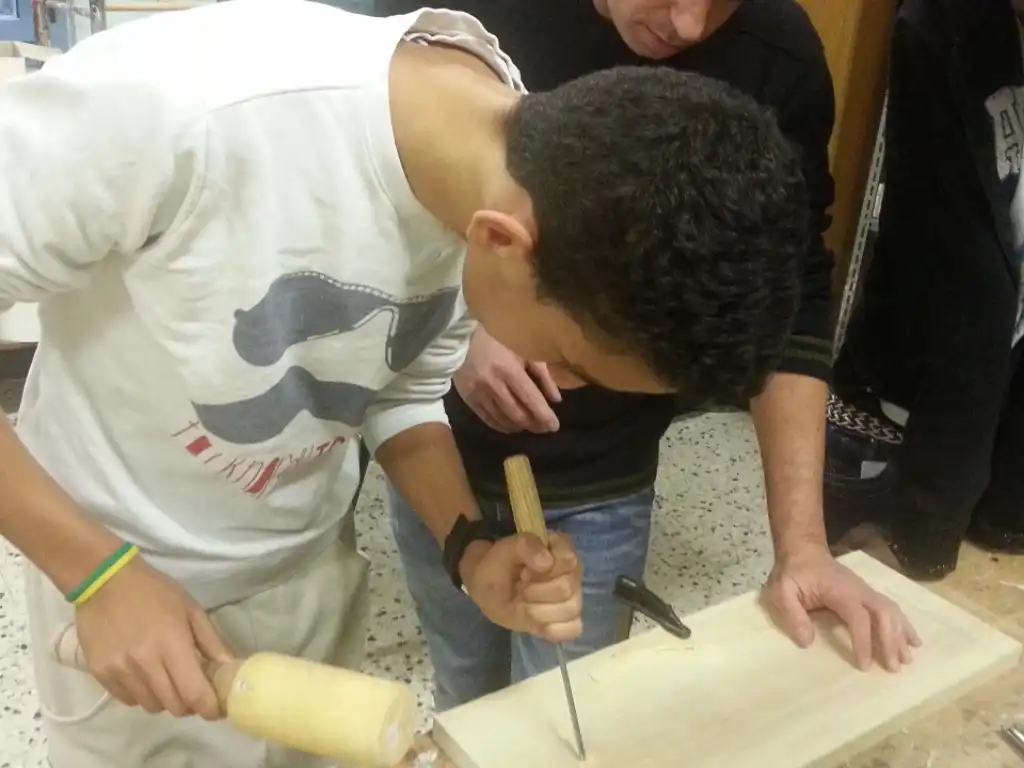
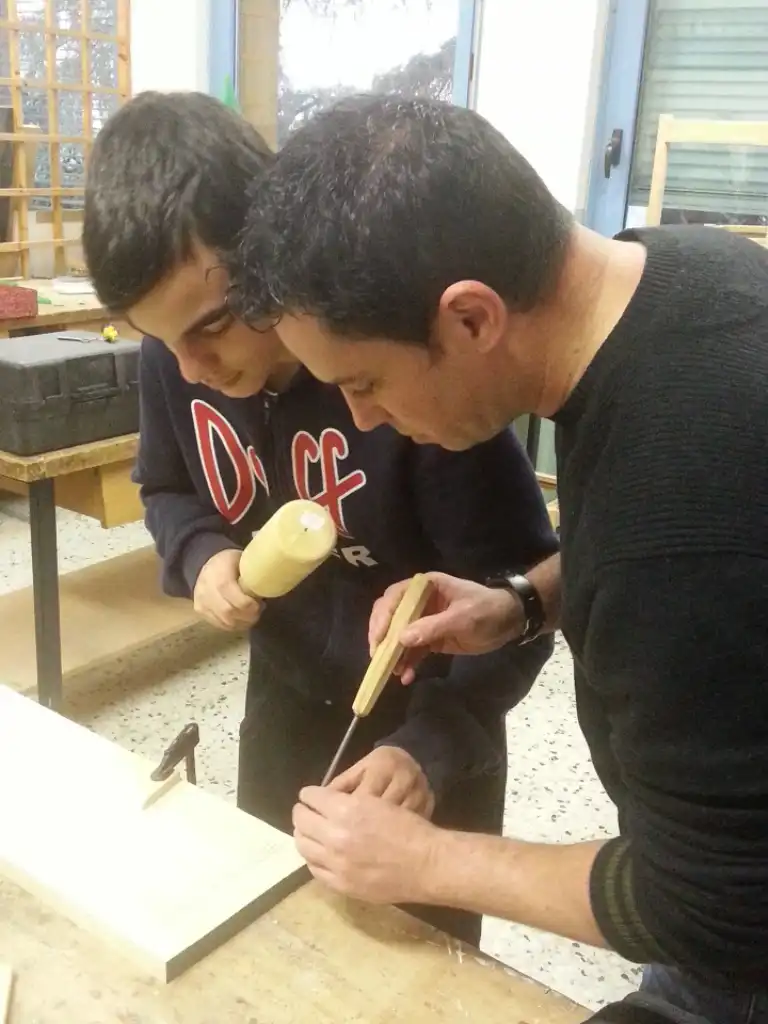
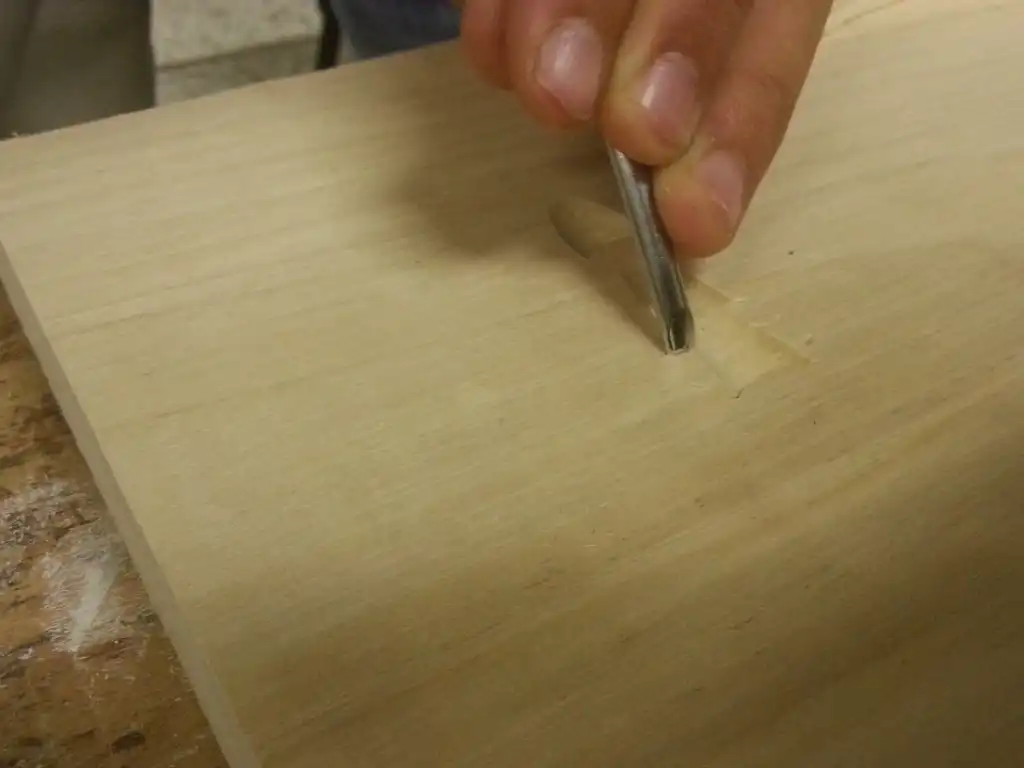
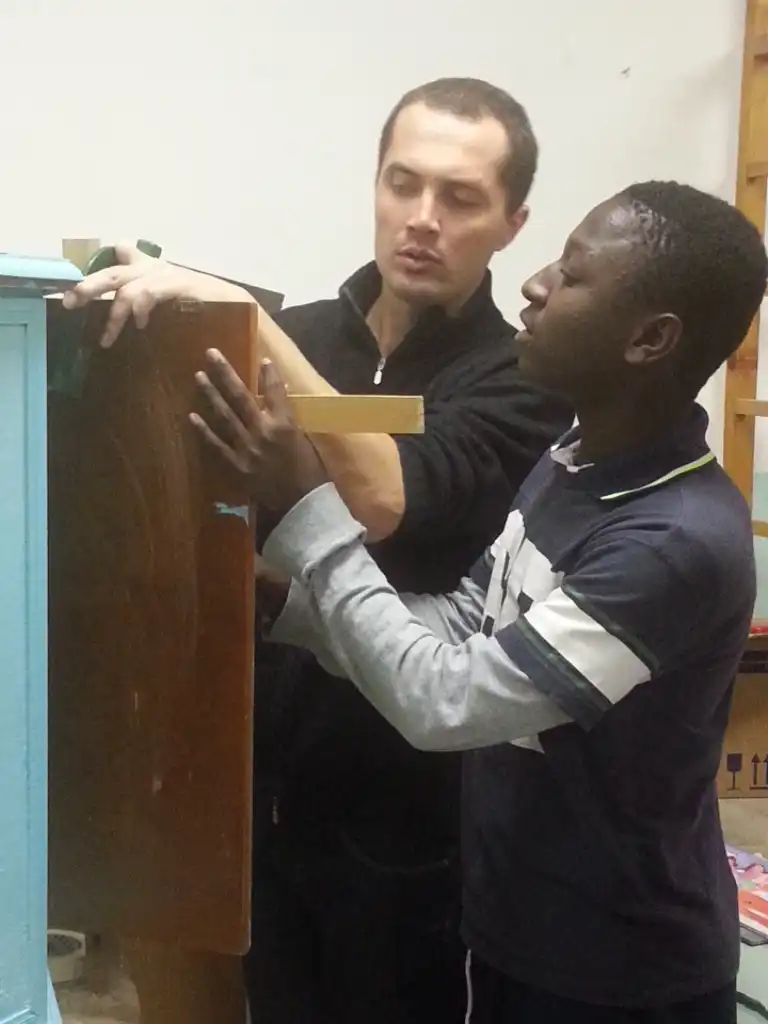
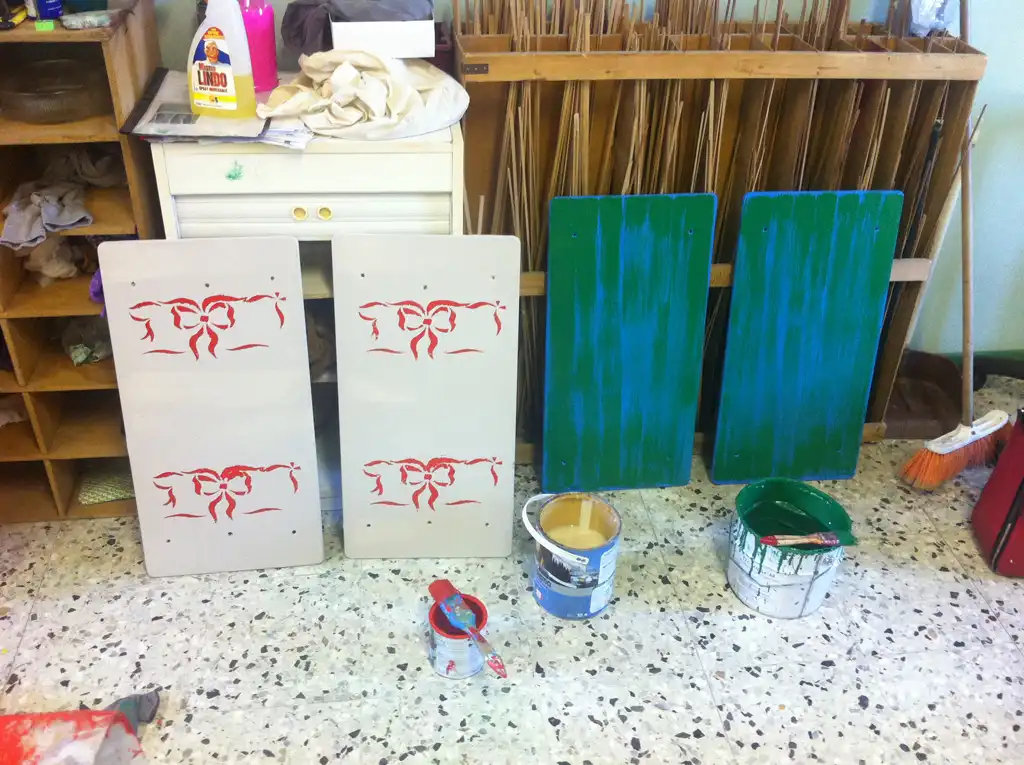
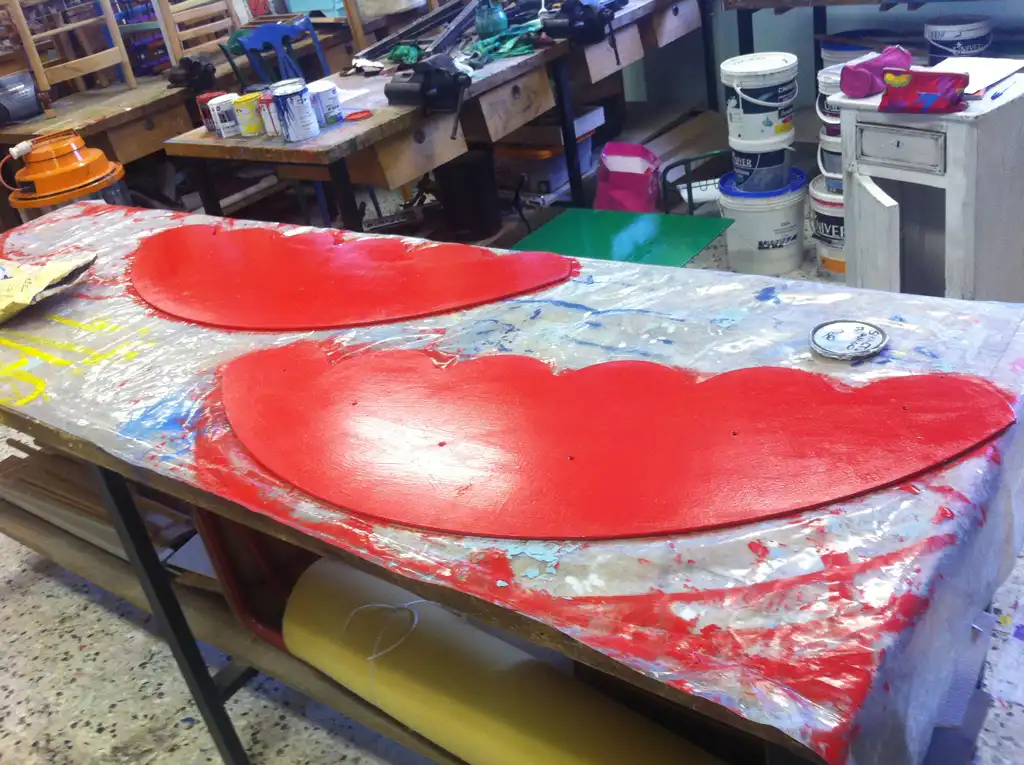
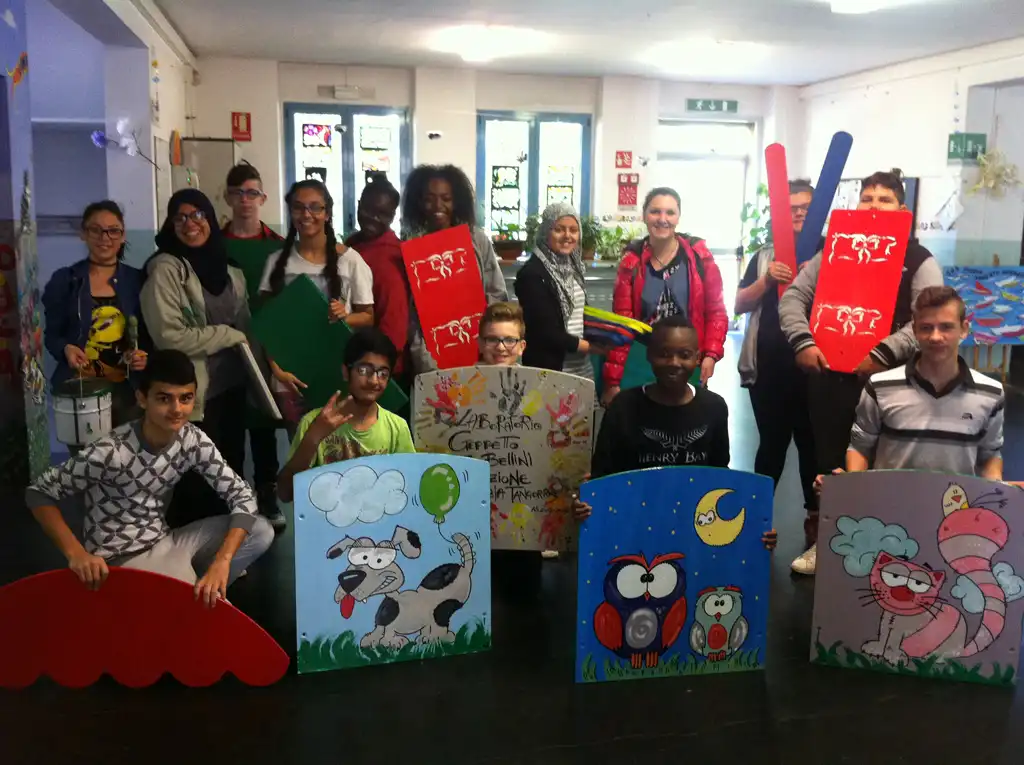
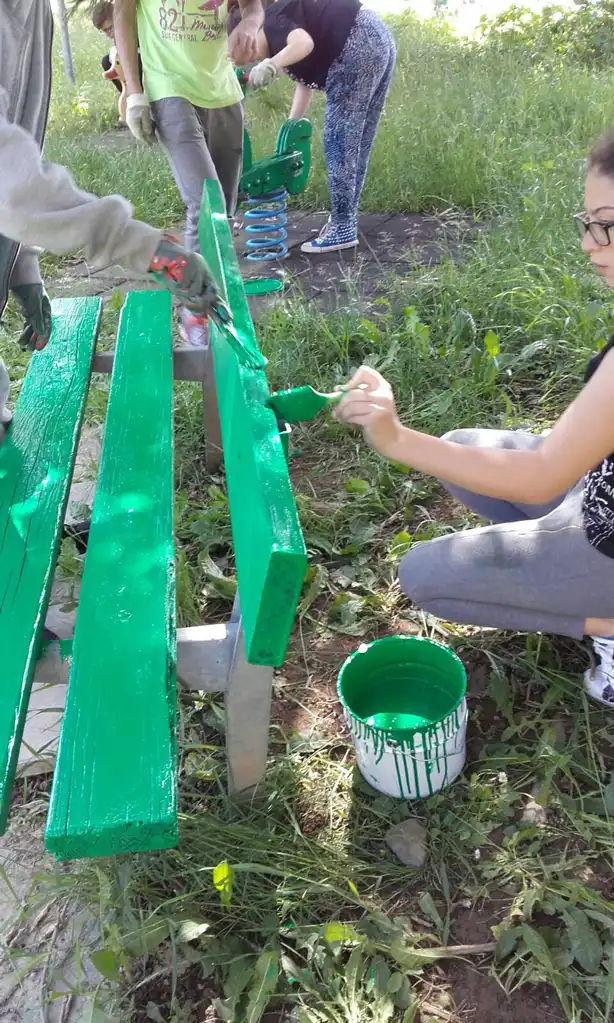
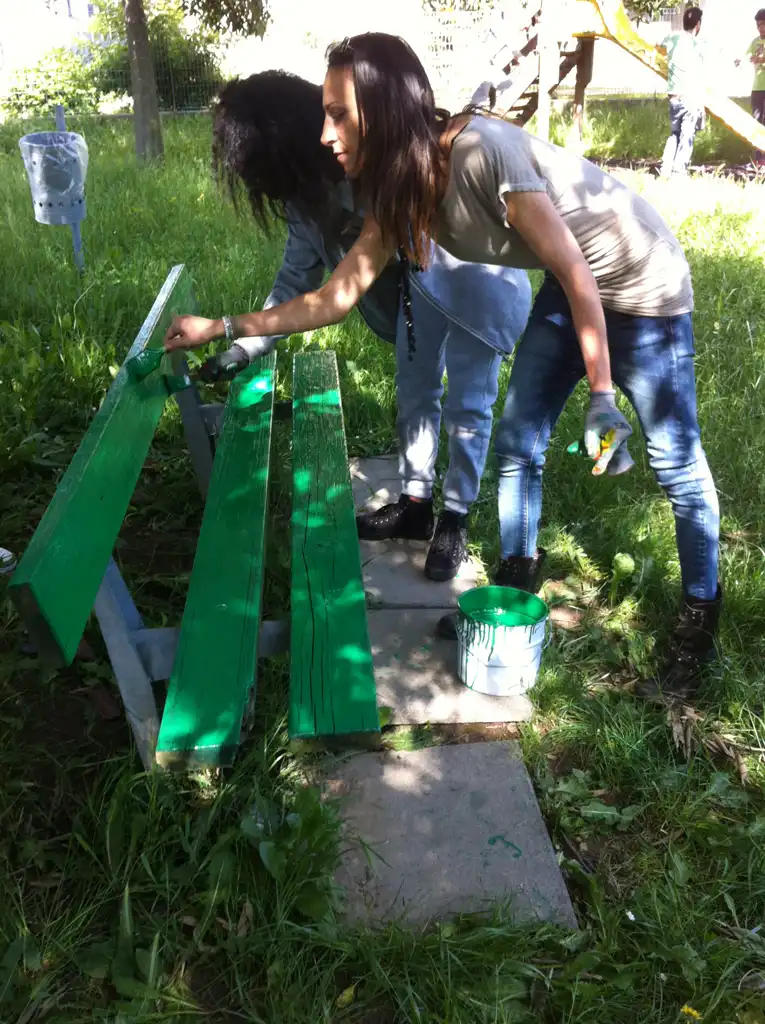
Through the collaboration between the Geppetto and Colori & Parole laboratories, the project “3 Benches against Violence Against Women” was born. Below you can see the work in progress, leading up to the inauguration on April 5, 2016.
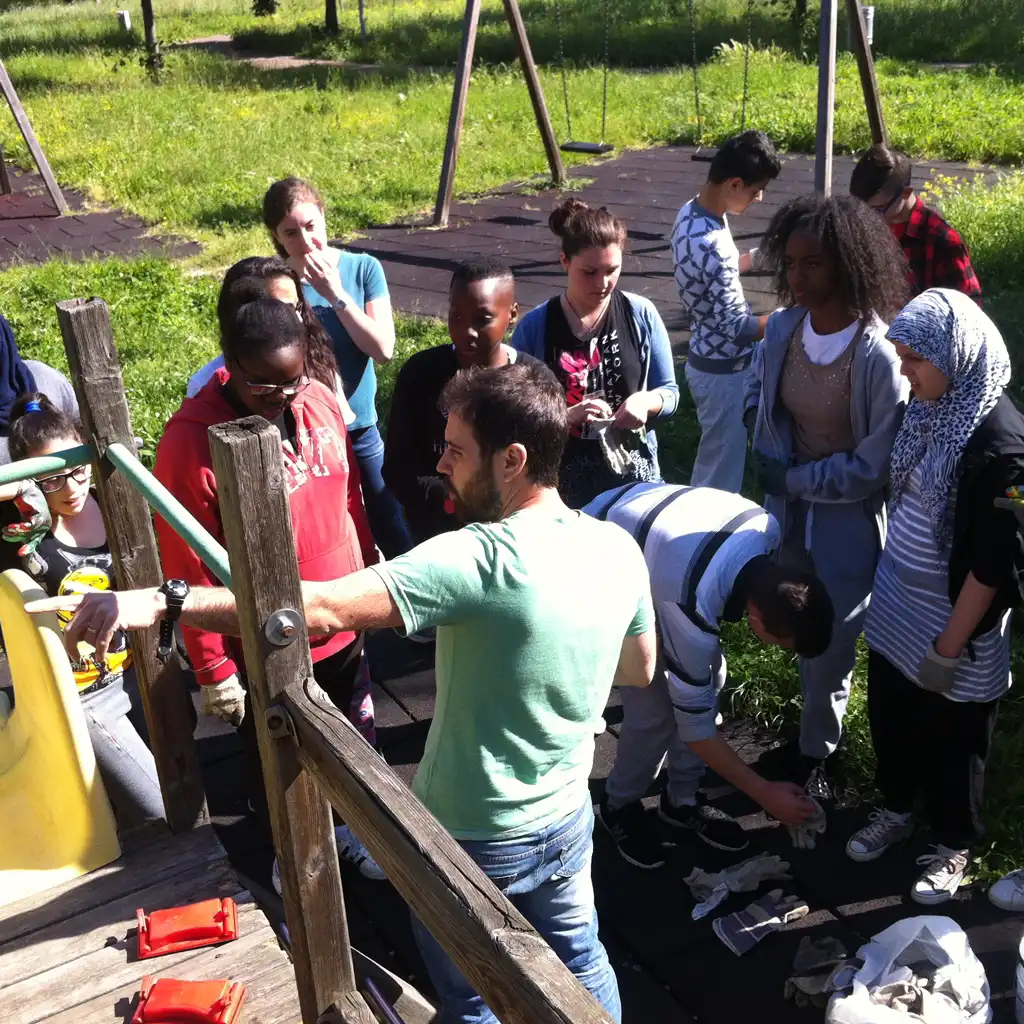
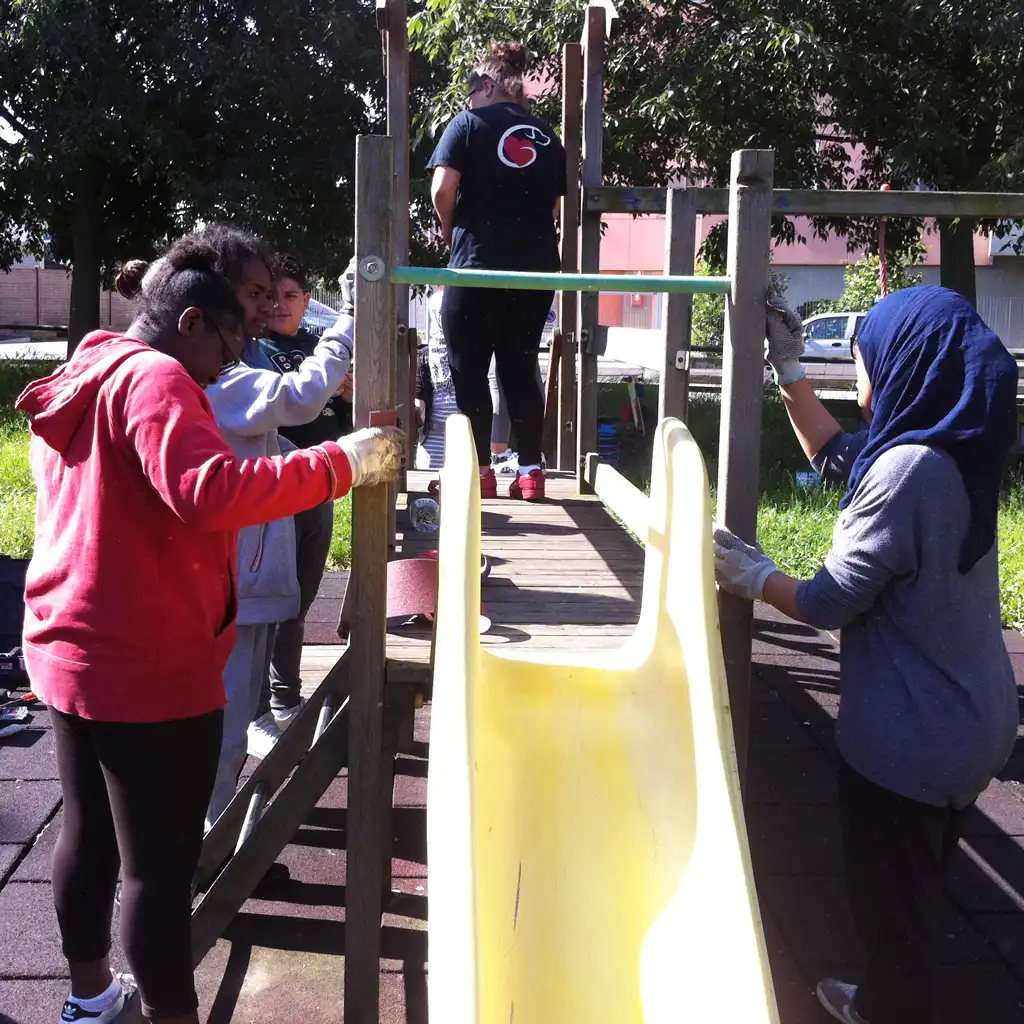
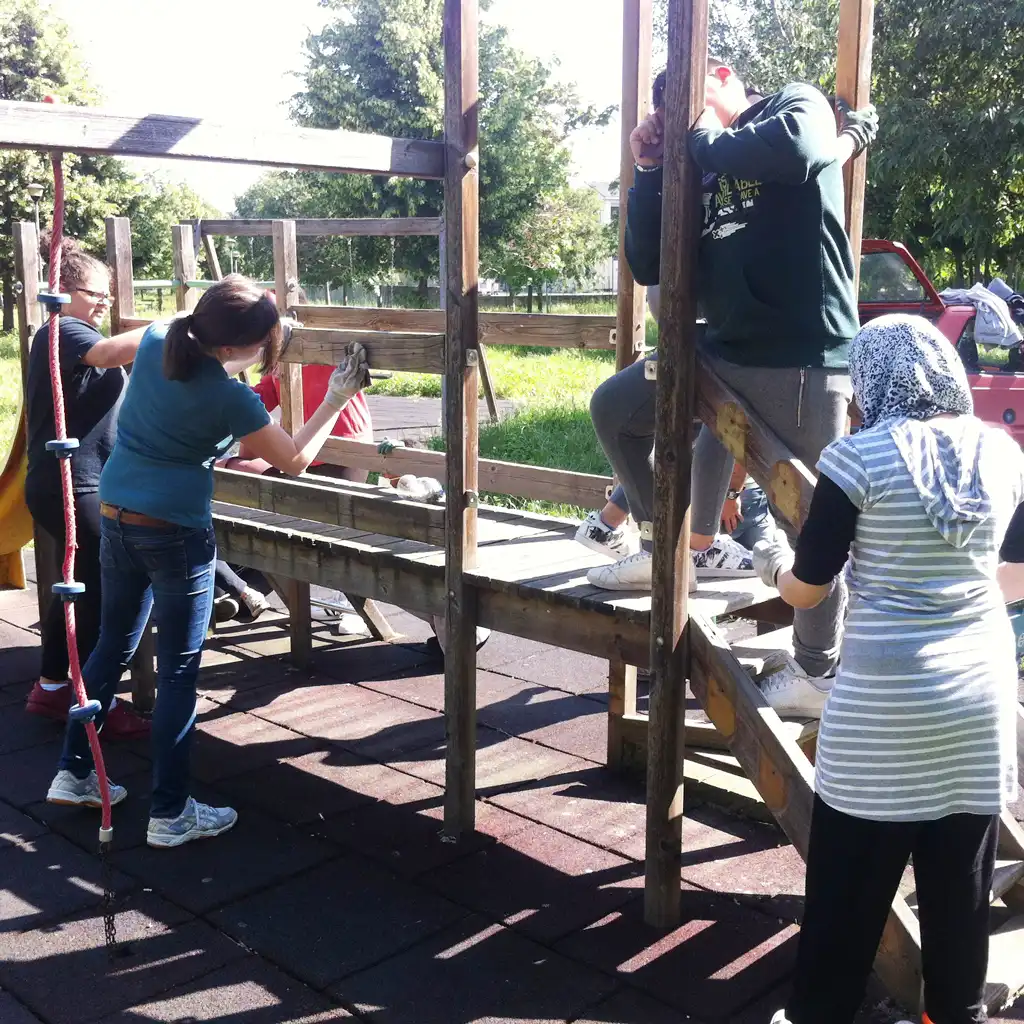
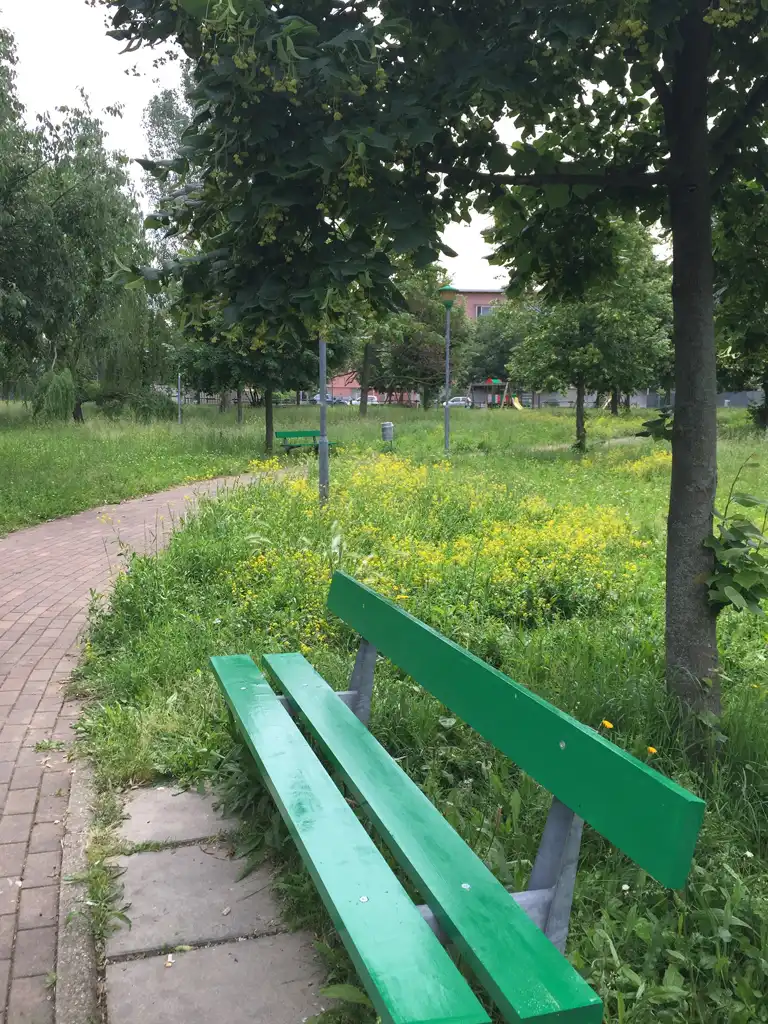
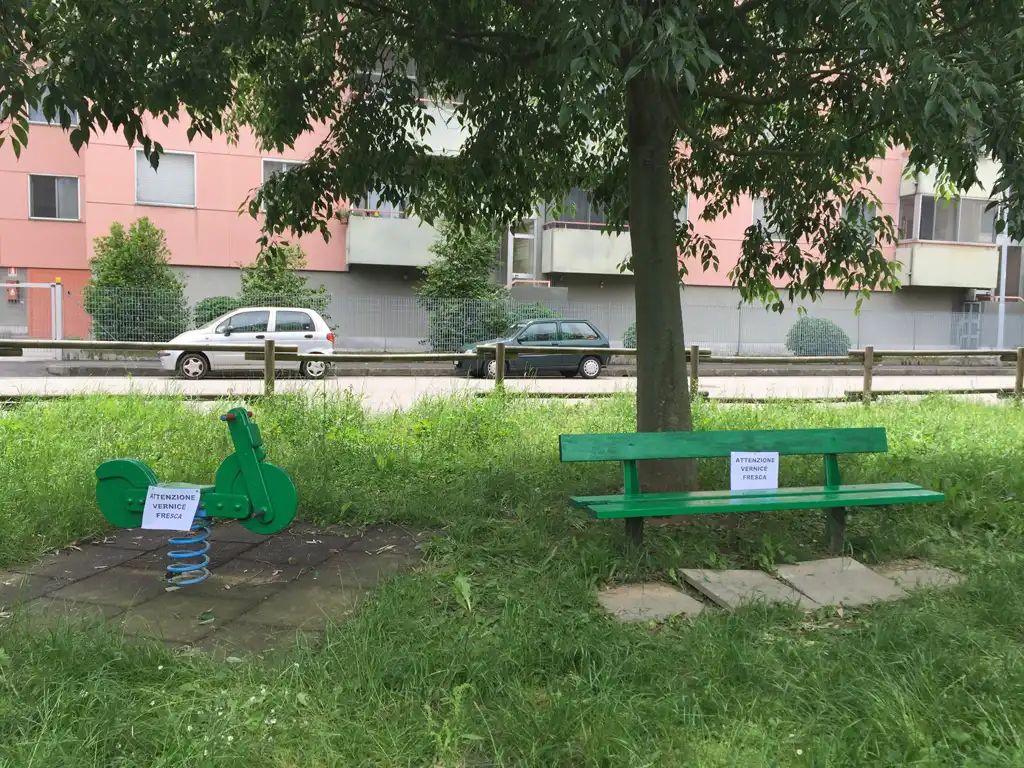
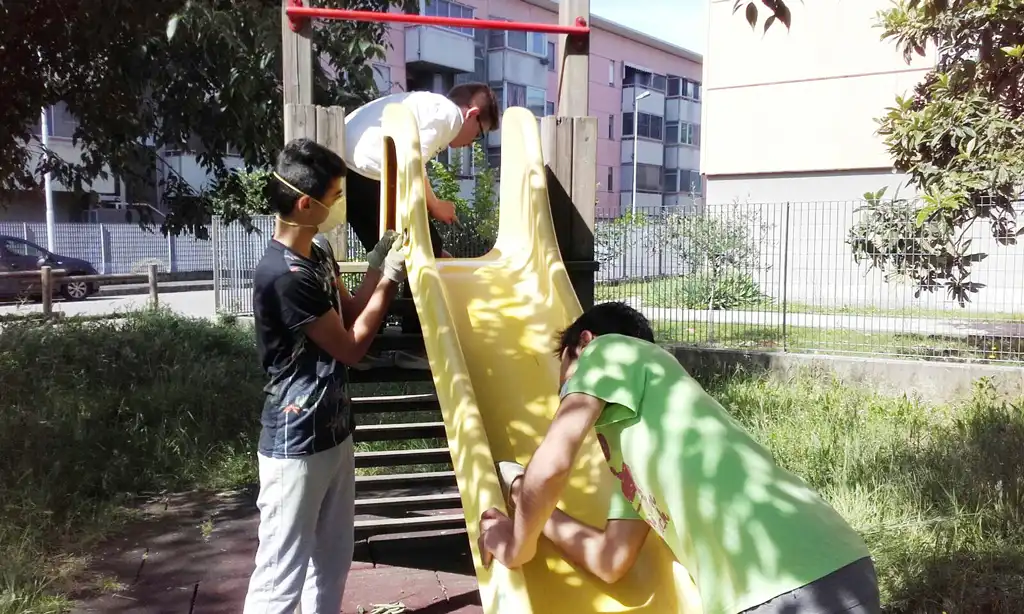
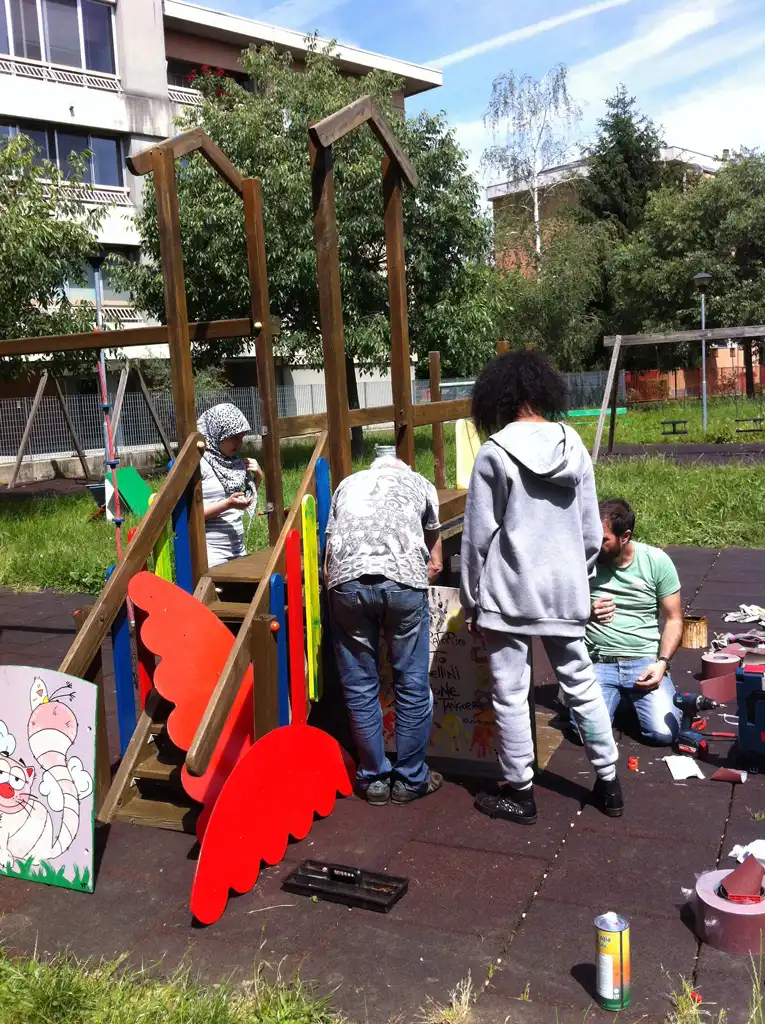
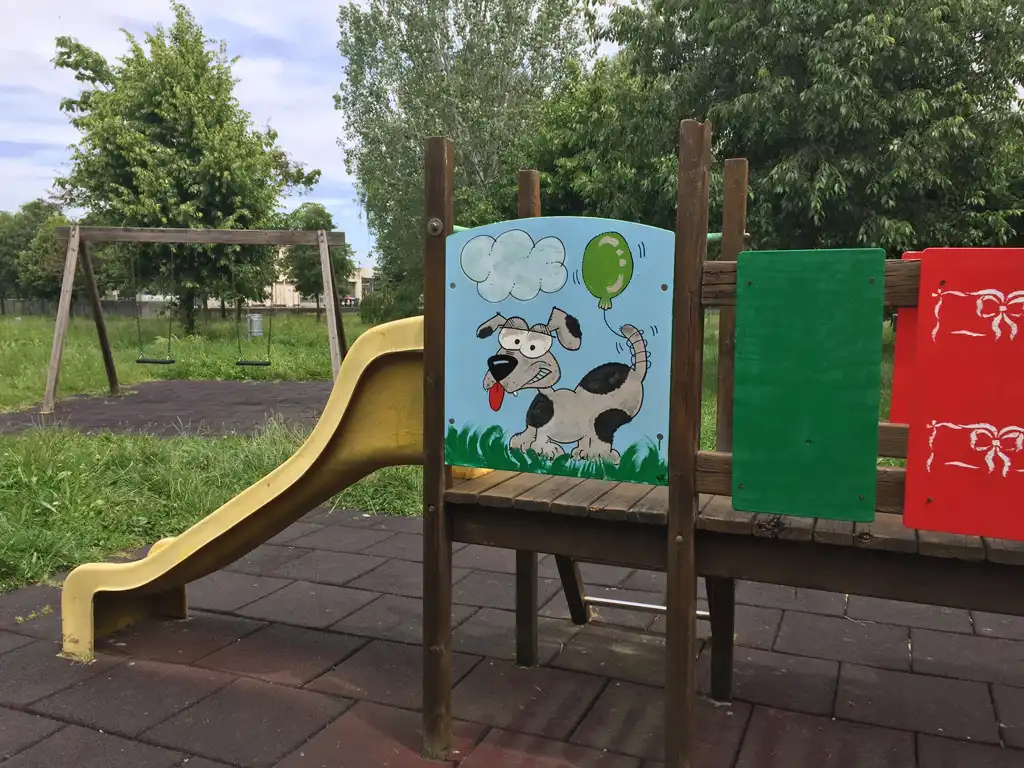
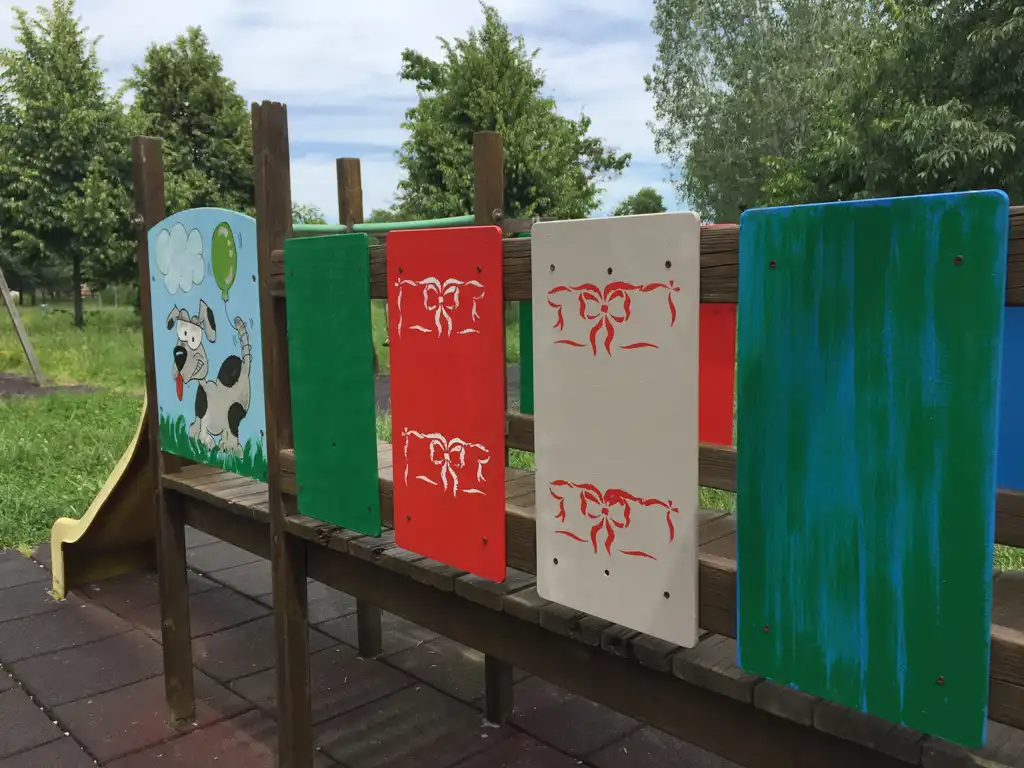
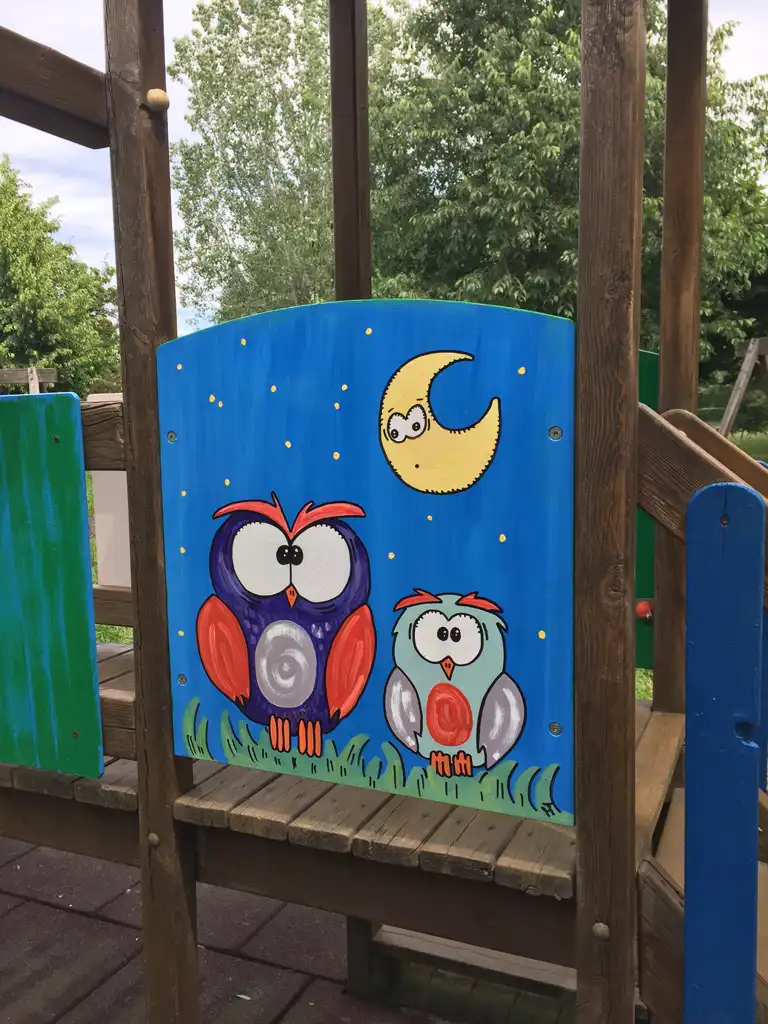
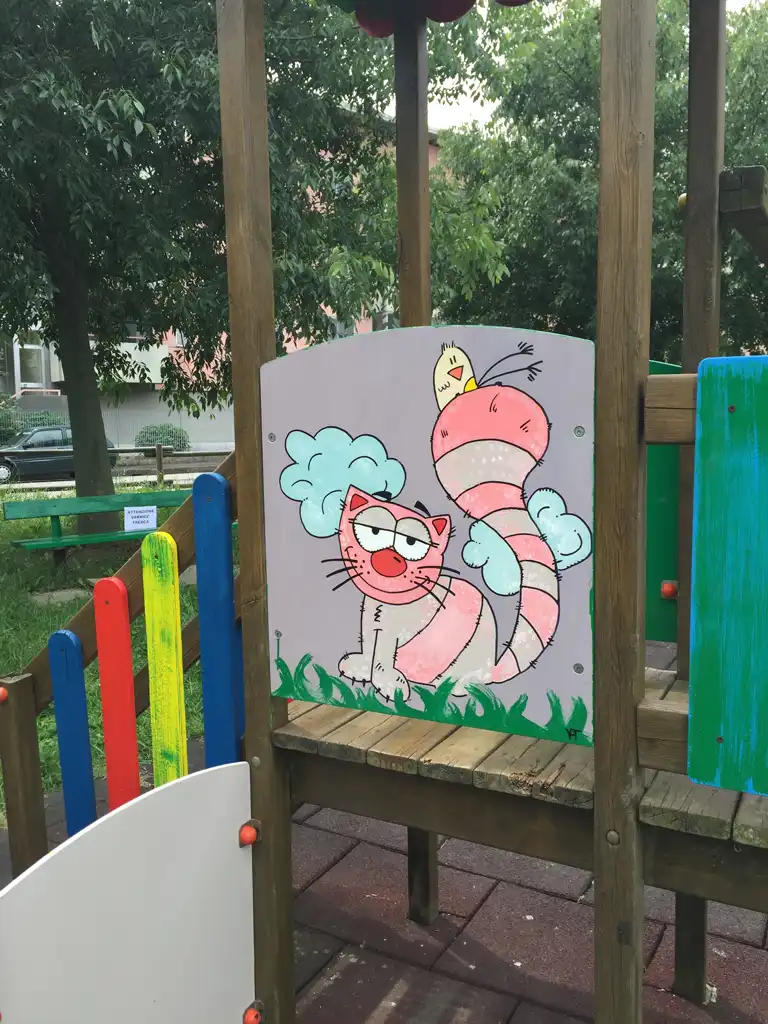
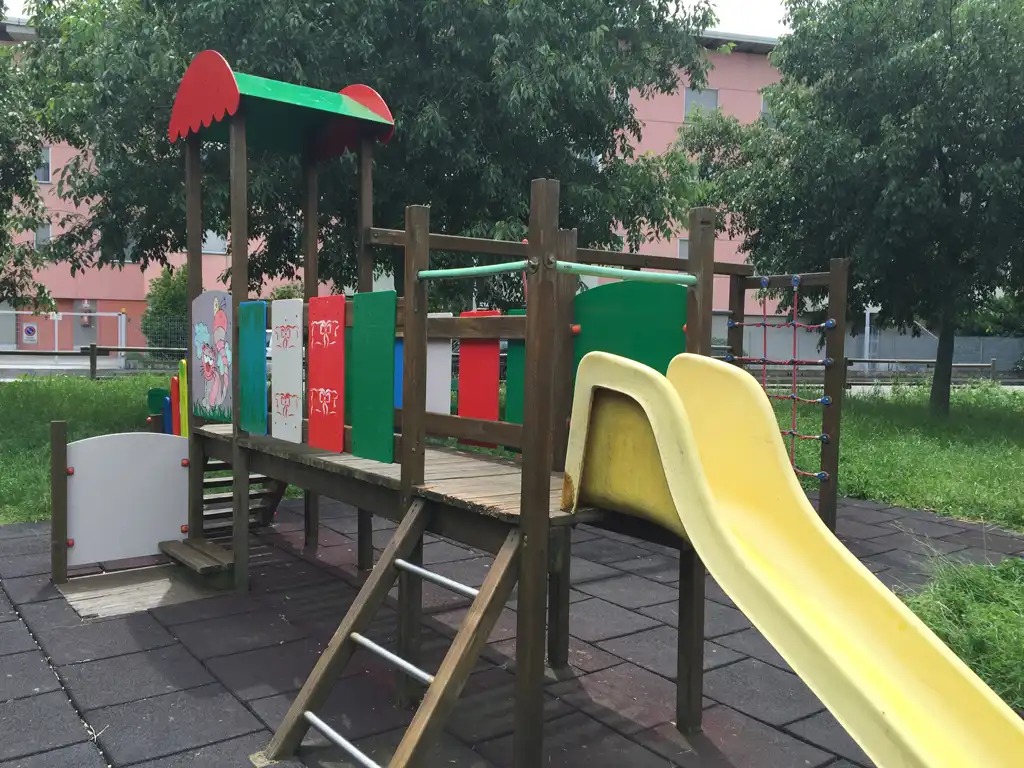
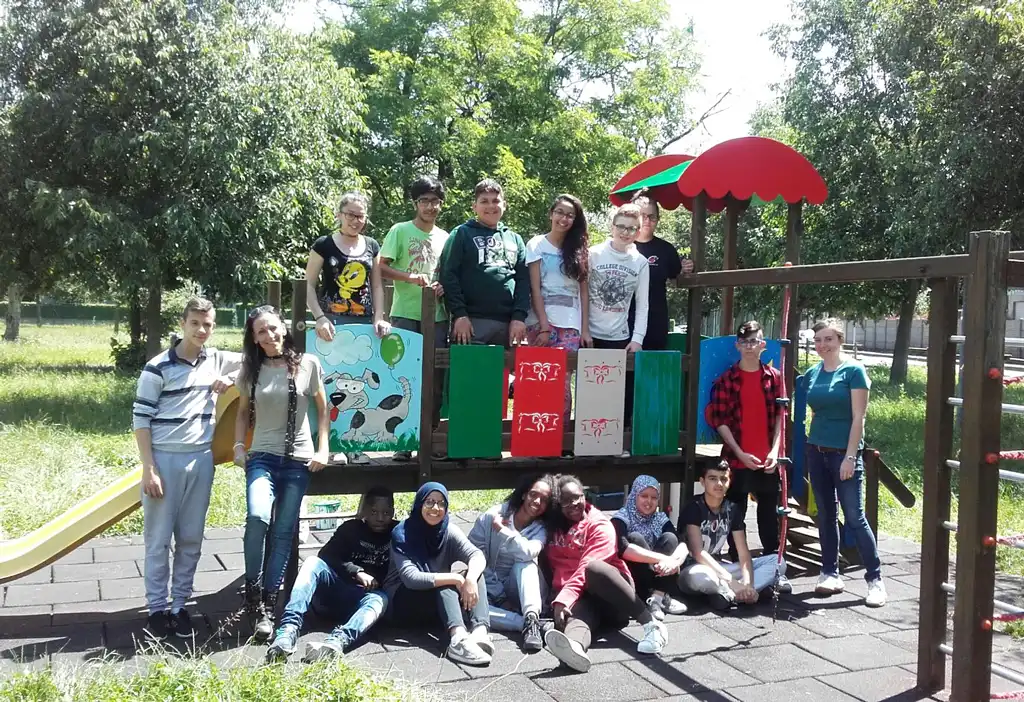
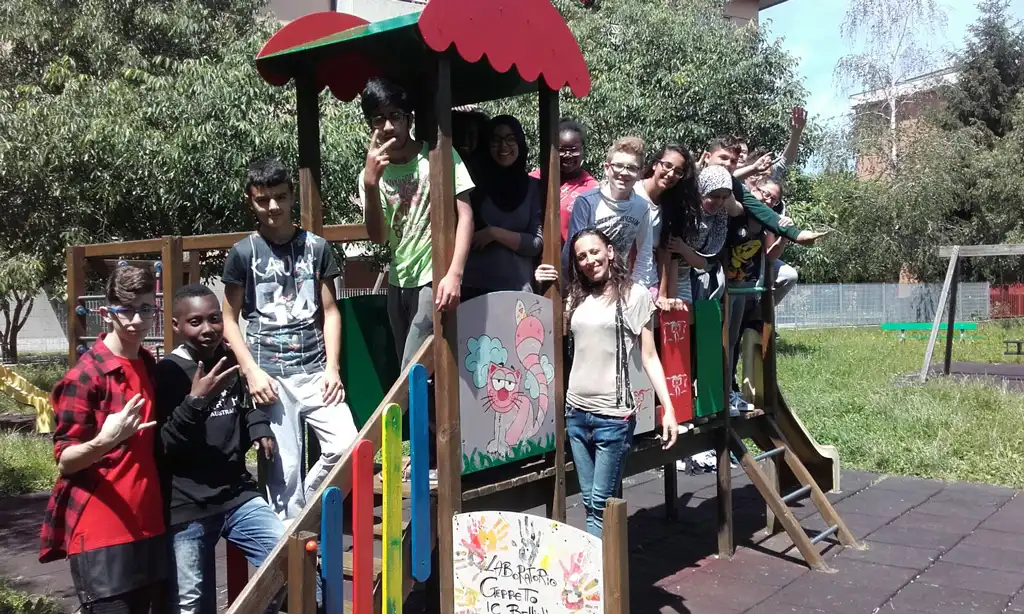
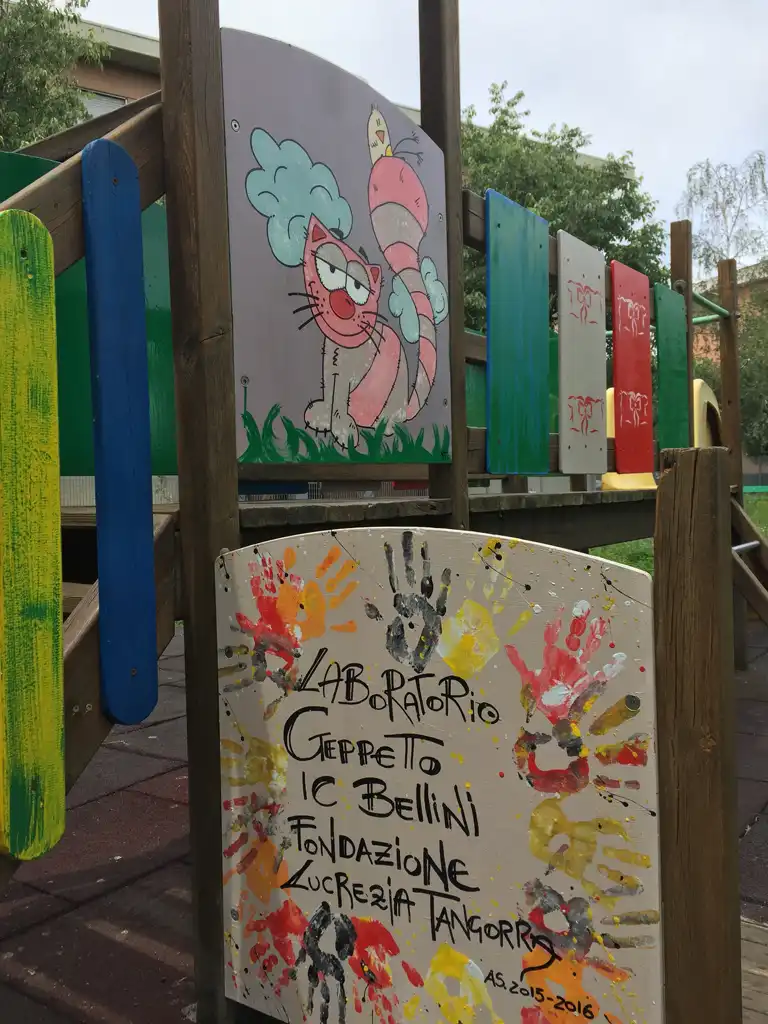
Mentre il 2 giugno 2016 è stato inaugurato il parco di Via Giusti a Novara. Non è un parco in centro, si nota appena passando in macchina. Si notano invece gli alberi. Una bella macchia verde, grande e regolare. All’ombra degli alberi, i giochi per i bambini e le panchine avevano bisogno di una bella manutenzione straordinaria. Se ne sono occupati i ragazzi dell’I.C. Bellini durante i laboratori “Geppetto” e “Colori&Parole” che la nostra Fondazione sostiene da due anni. Pittino Legnami ci ha aiutato donandoci le assi da sostituire, Guido Baroni, falegname di Sillavengo, ha aiutato i ragazzi nei lavori più difficili, mentre il Comune di Novara ha fornito il supporto logistico. Ma il lavoro più grande e più bello è stato fatto dai ragazzi e dalle loro insegnanti. Fare qualcosa per gli altri, insieme, è una lezione preziosa. Preziosa quanto la soddisfazione di vedere il risultato del proprio lavoro. È stato un momento speciale nella crescita dei ragazzi dell’I.C. Bellini; è una bella storia di collaborazione ed altruismo che vale la pena di raccontare. Di seguito potete vedere il working progress dei lavori.