“Books as a bridge for integration”
The role of the library is to foster imagination and creativity in children, instilling in them a habit and passion for reading from an early age. The library space is thus designed as a meeting point for informal and non-systematized knowledge, where diverse methodologies and disciplinary approaches interact, and where knowledge contributes to the essential skill set required for a young student’s growth.
The library space is also intended as a meeting place for cultures in a country confronting the themes of immigration and the integration of different ethnicities and traditions. It promotes mutual understanding by placing each child’s individual story within the broader context of the overarching narrative that belongs to every nation and people, no matter how distant they may seem.
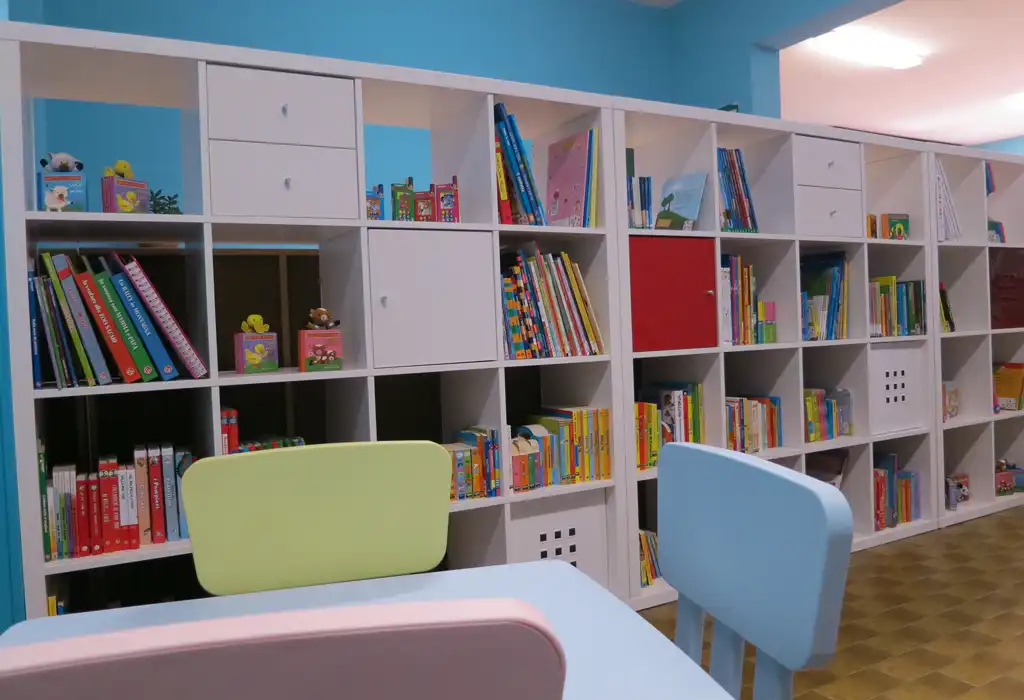
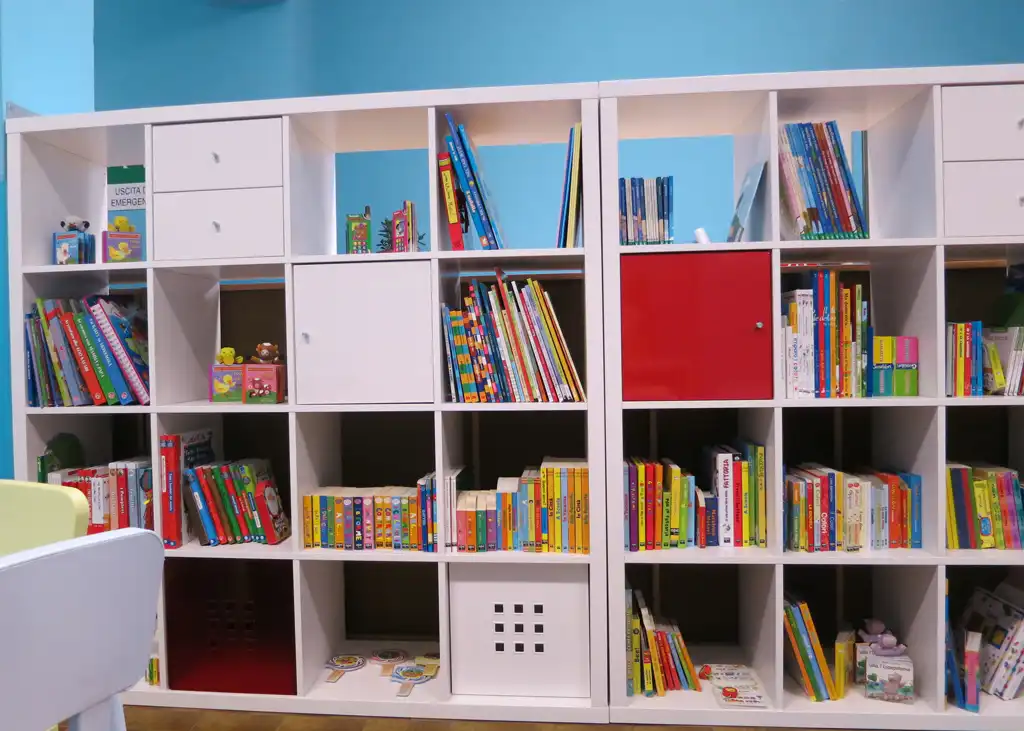
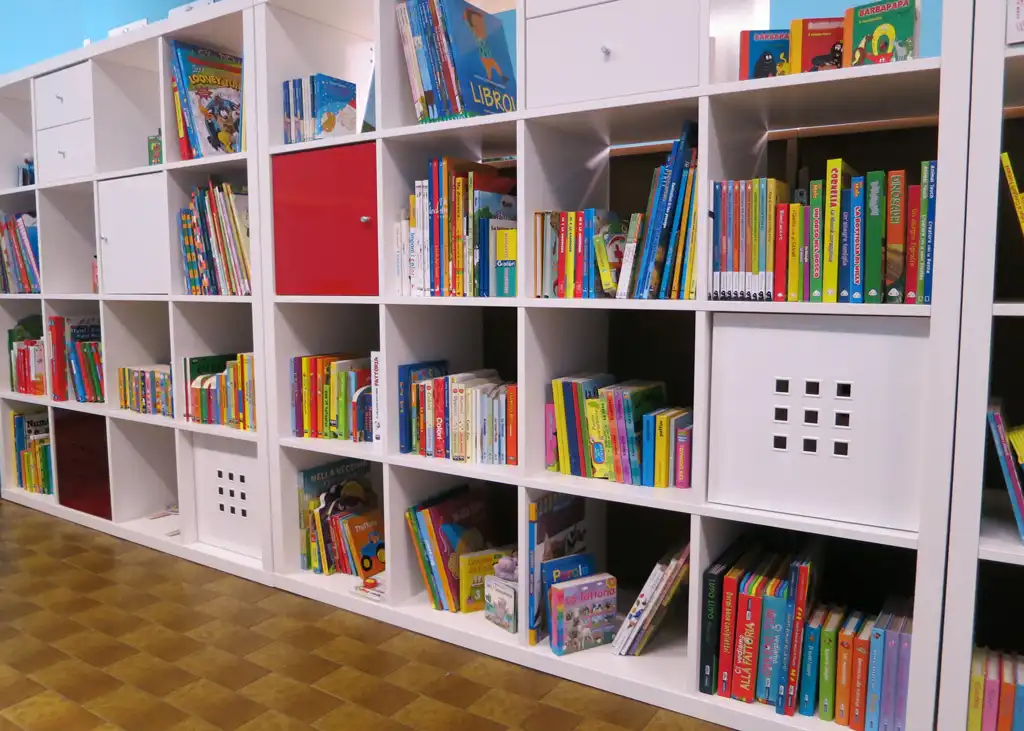
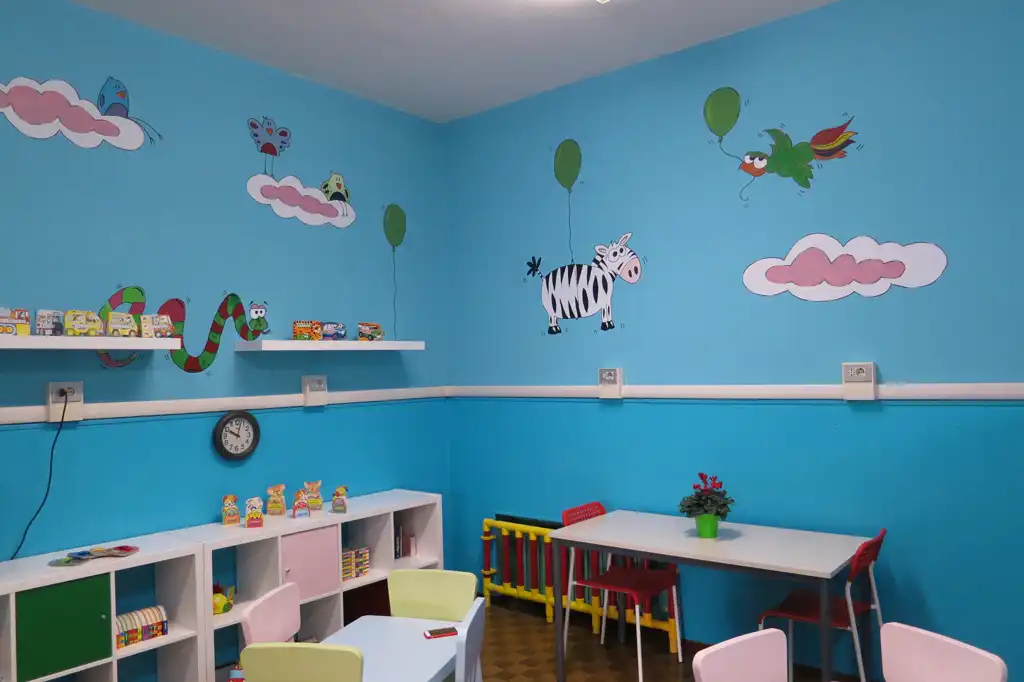
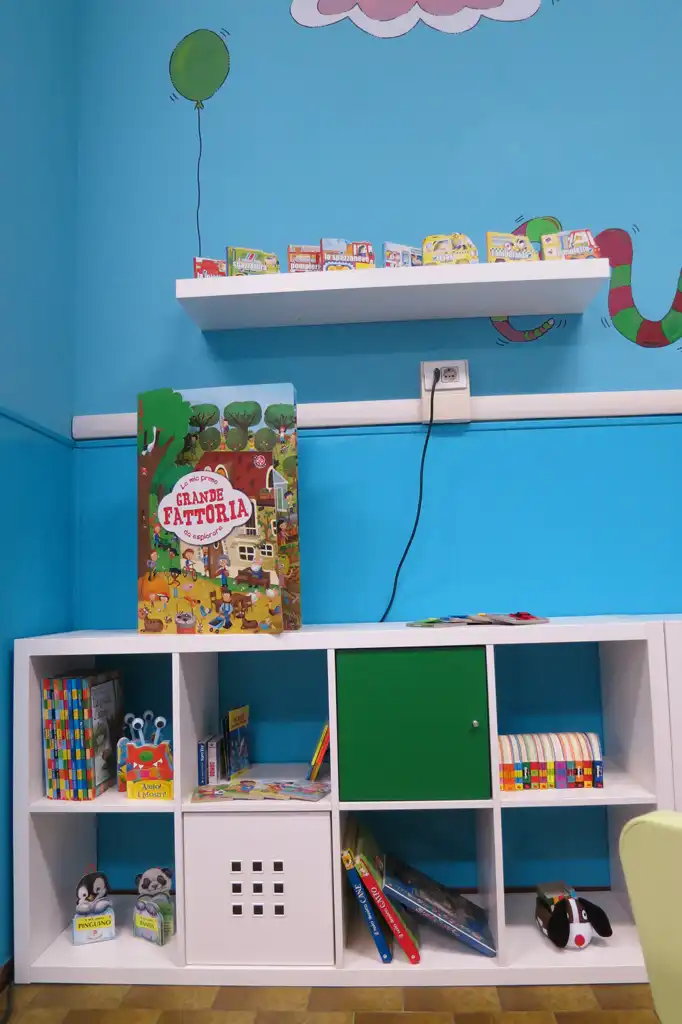
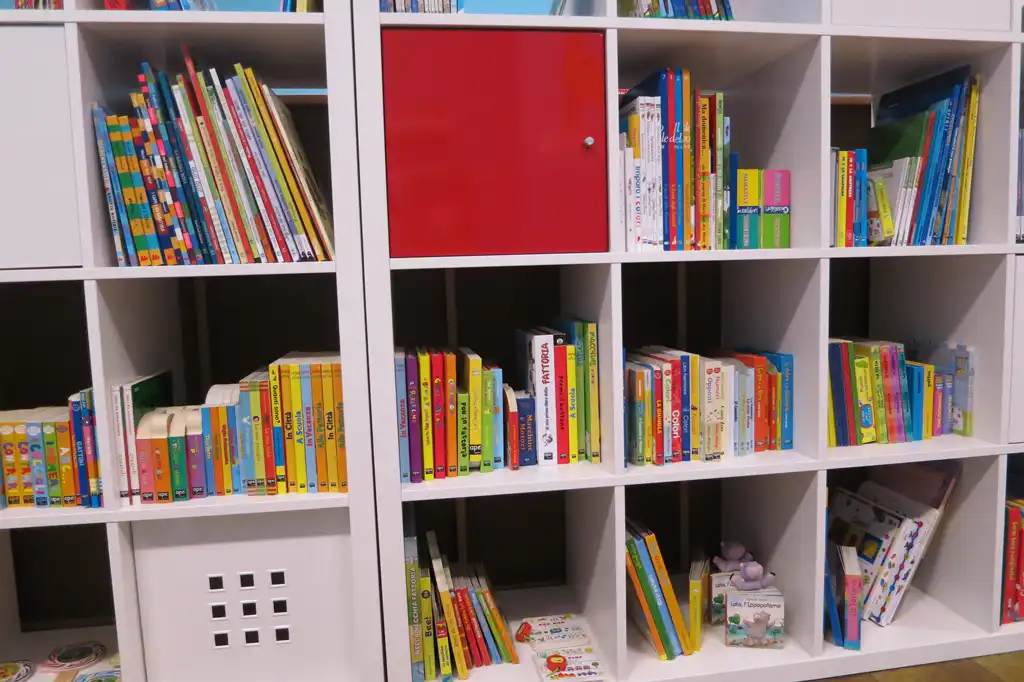
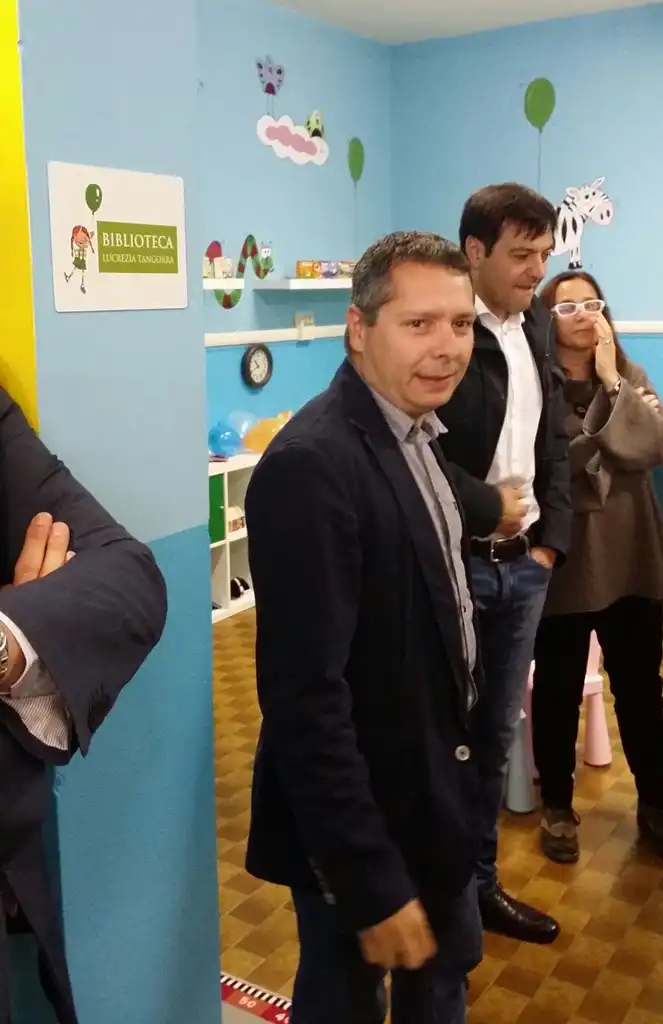
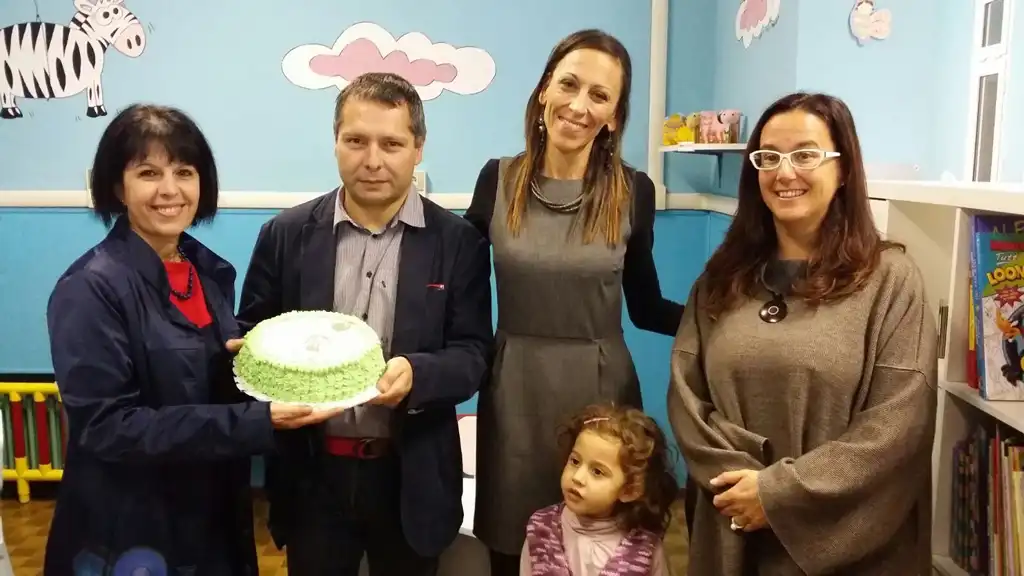
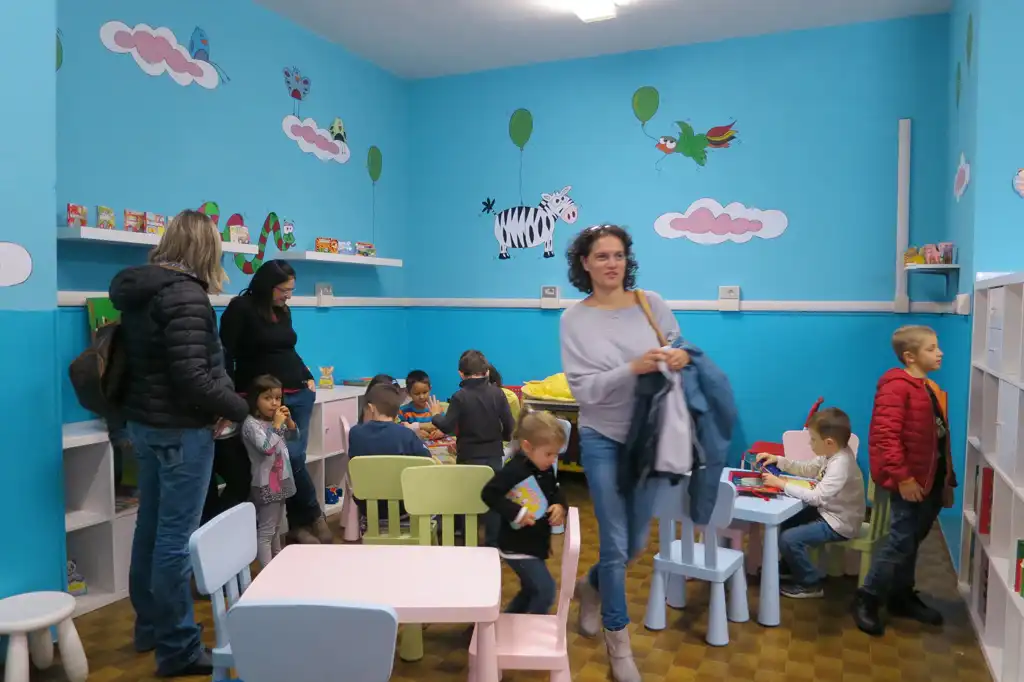
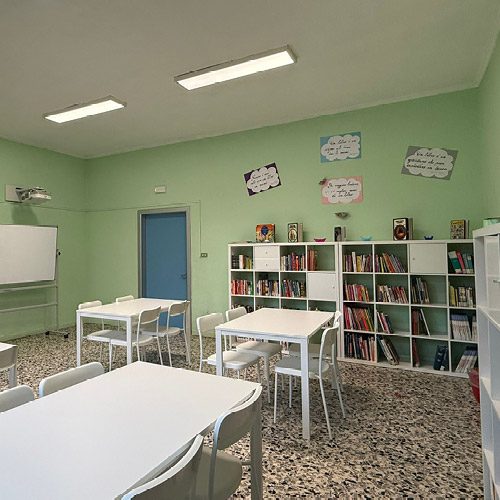
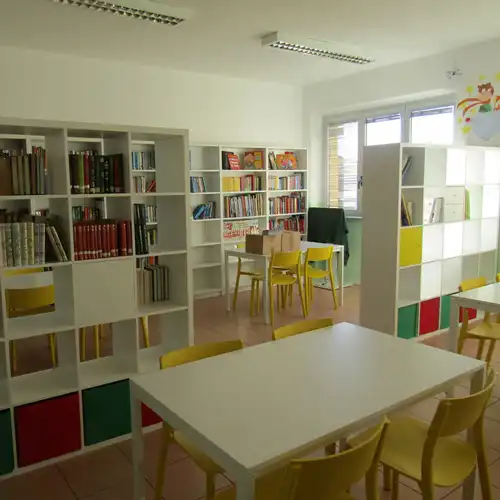
The Galvani Kindergarten Library project in Novara was born to meet the need for a well-equipped space where children can experience all of these things. The Lucrezia Tangorra Foundation began designing this library starting from the furniture, ultimately building up to the most essential part: the books.
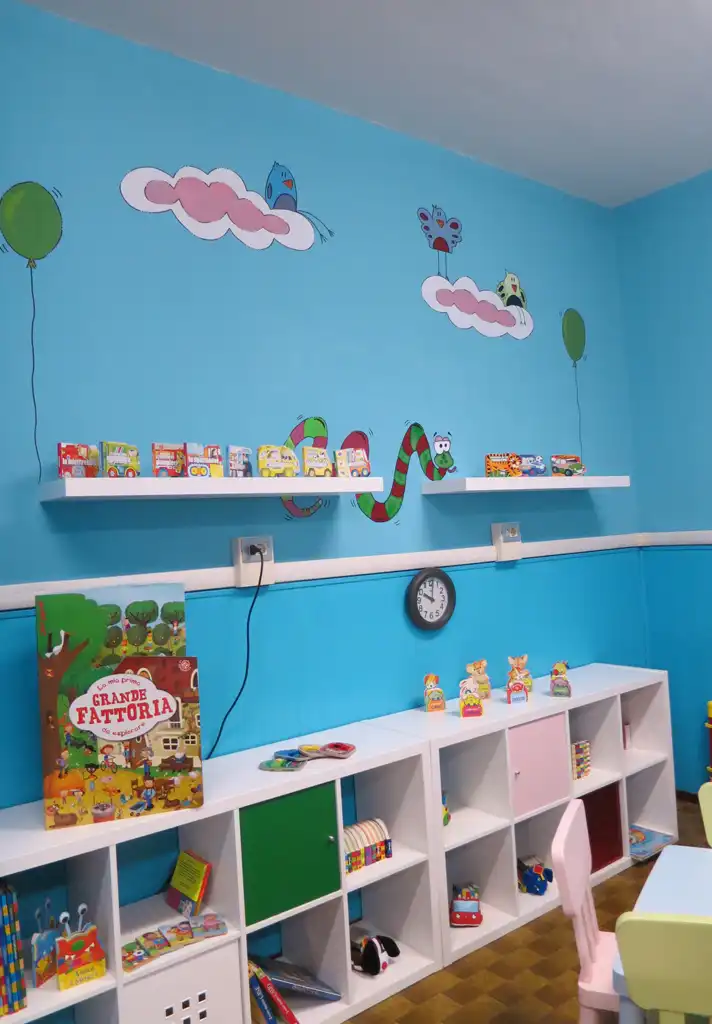
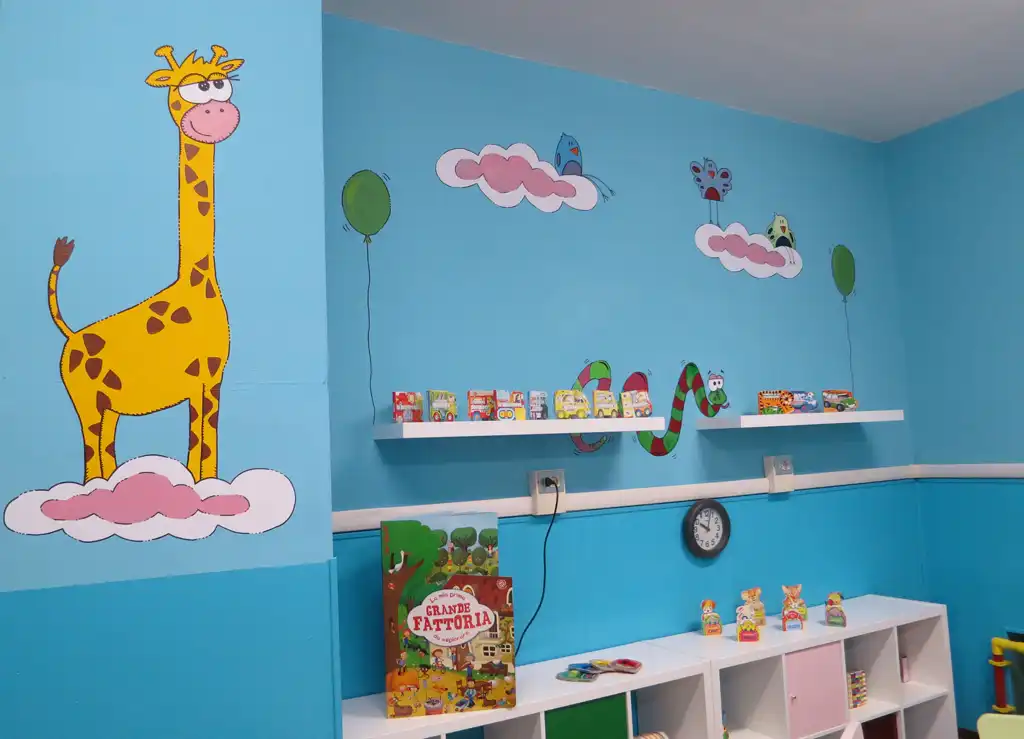
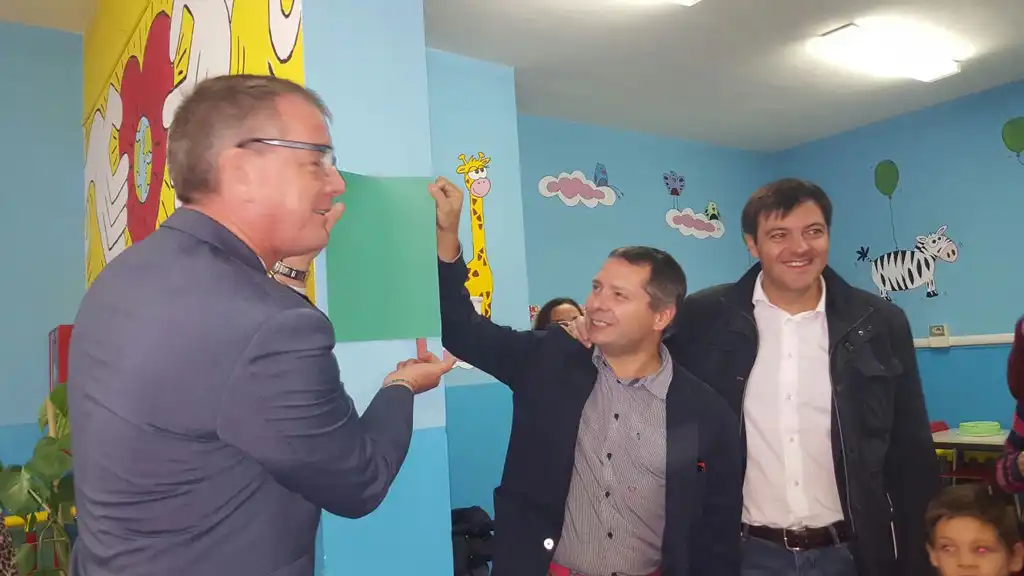
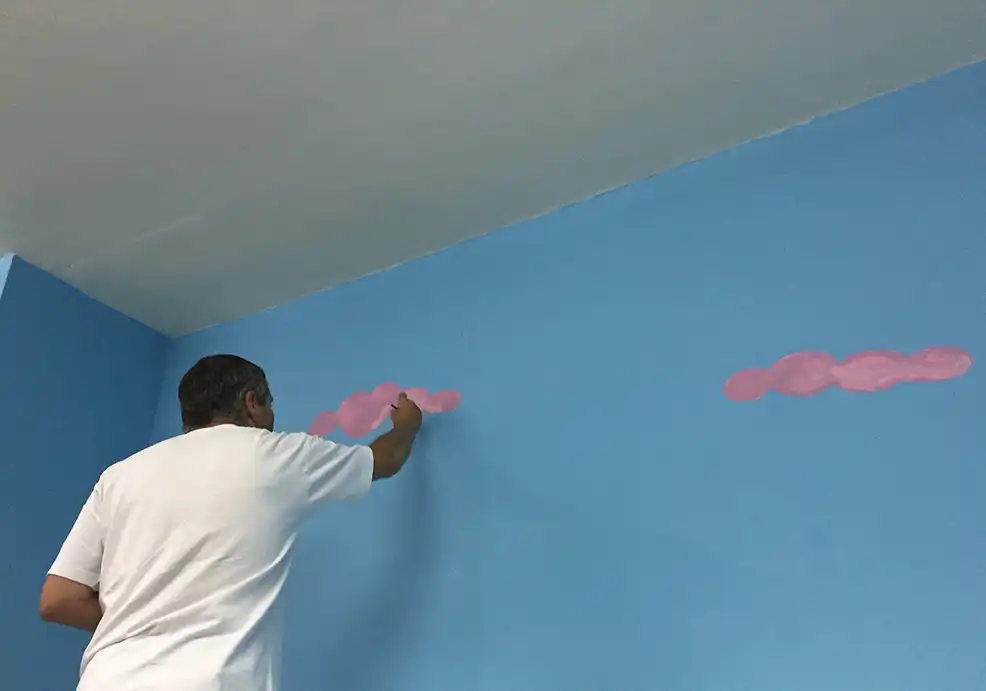
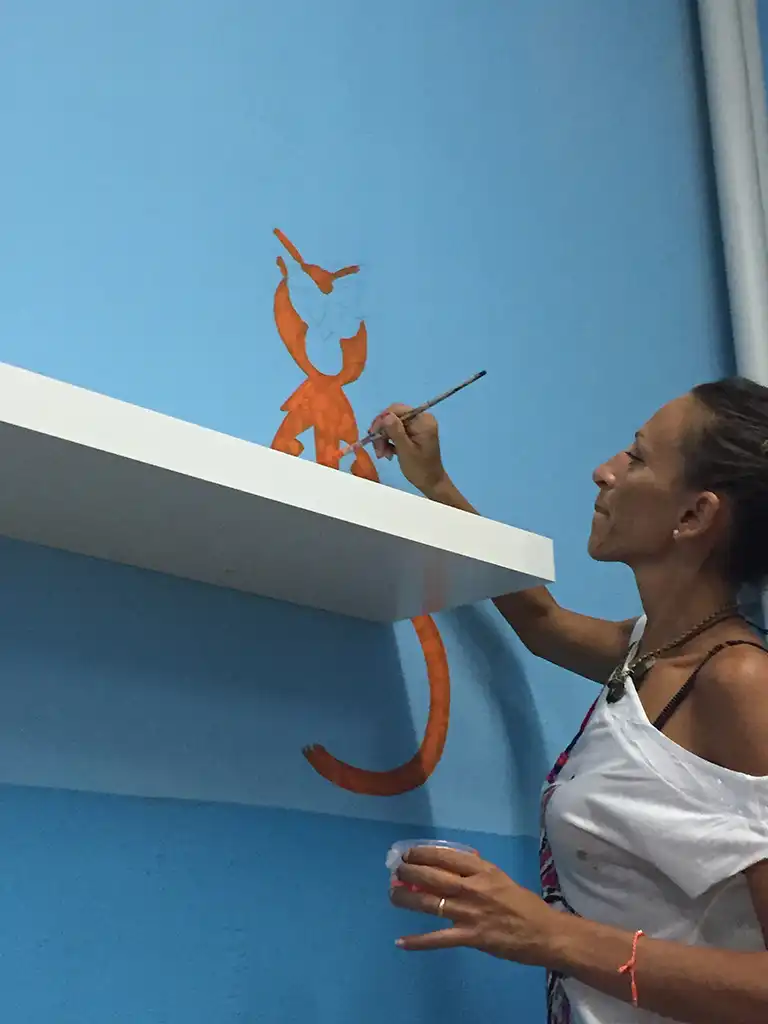
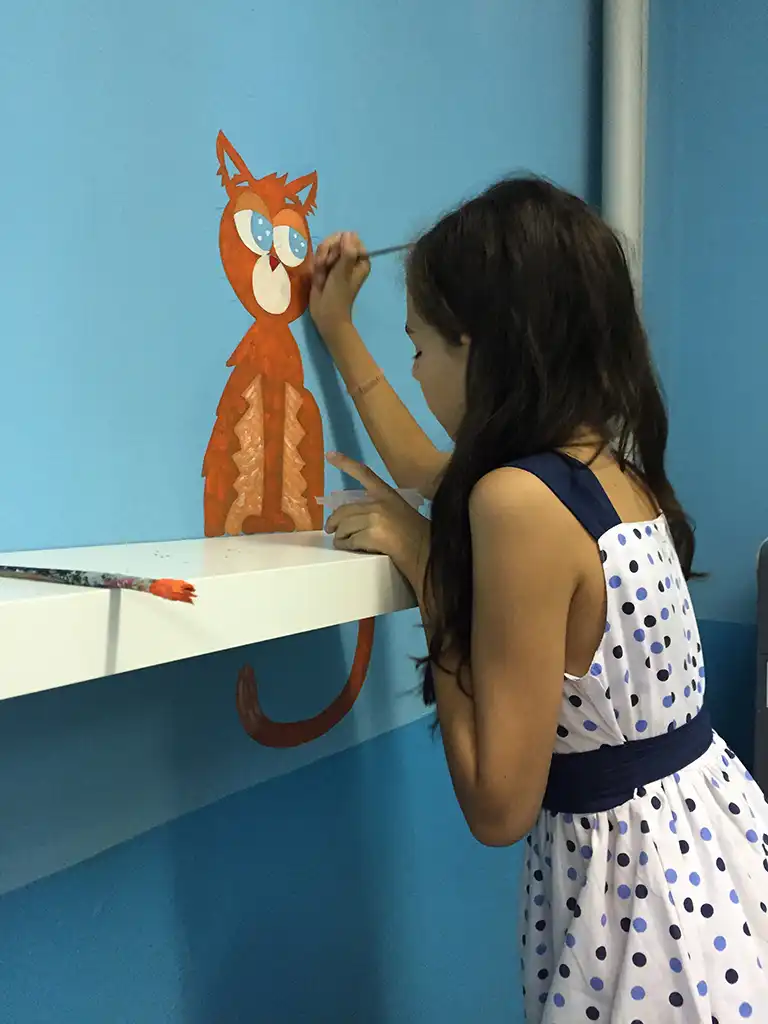
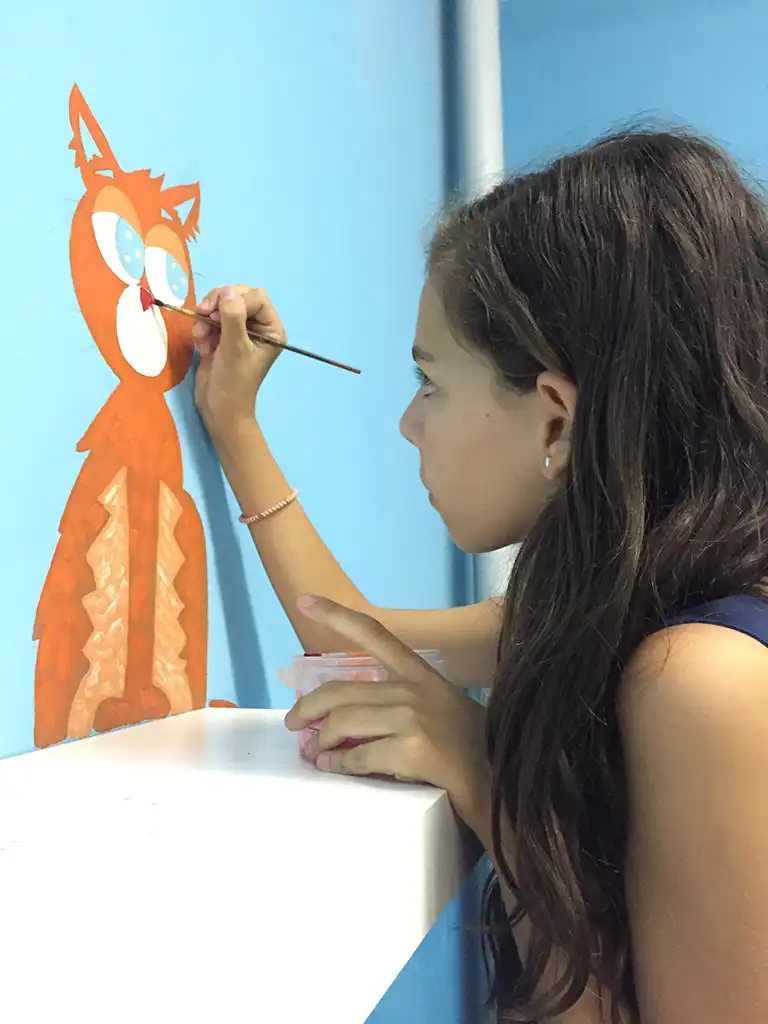
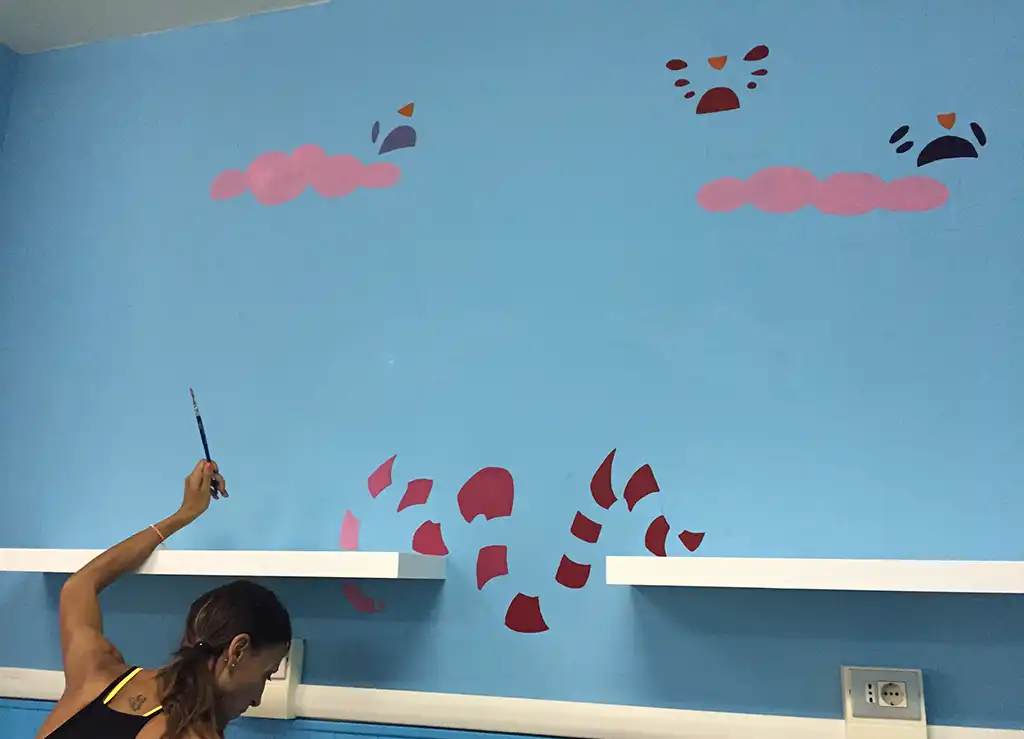
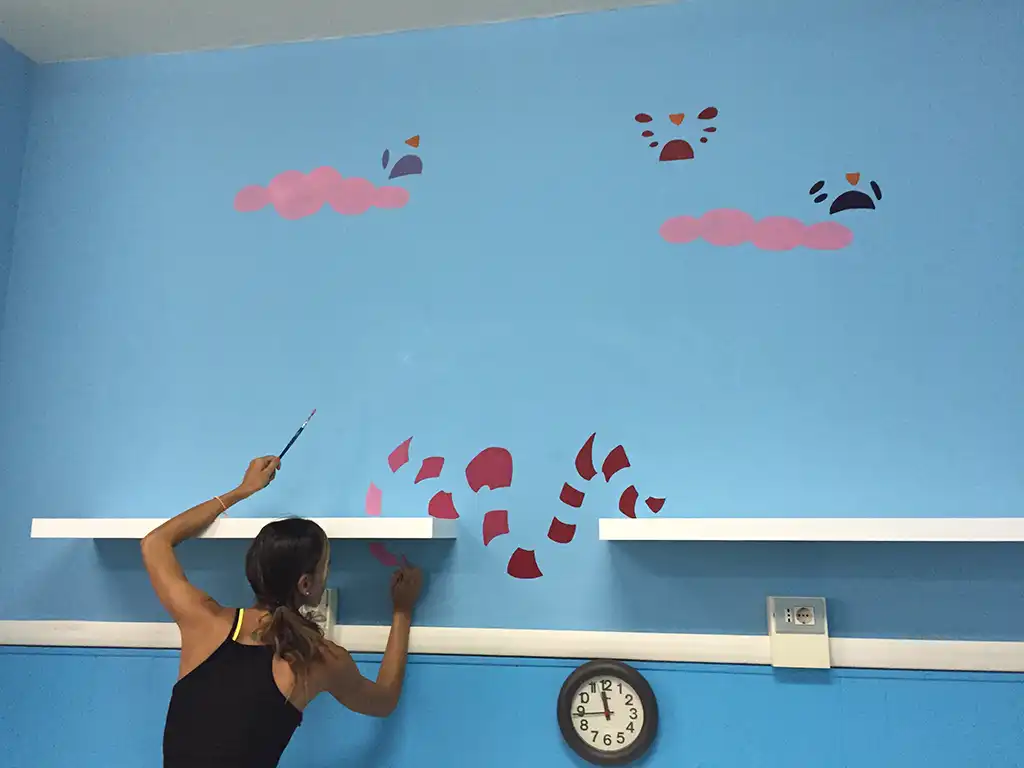
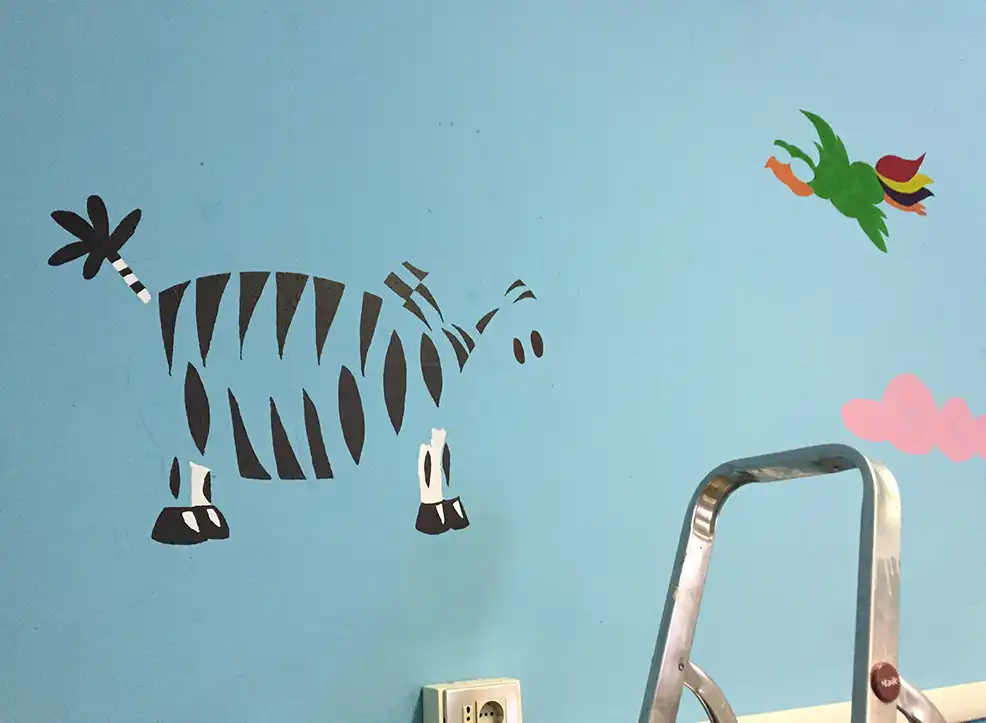
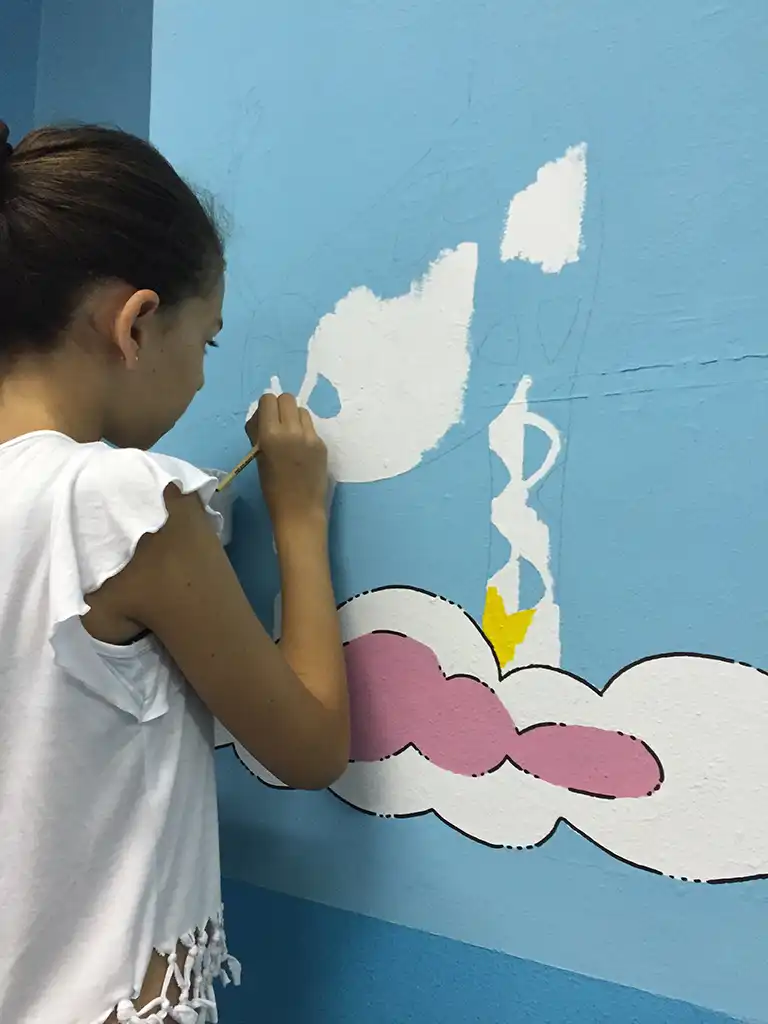
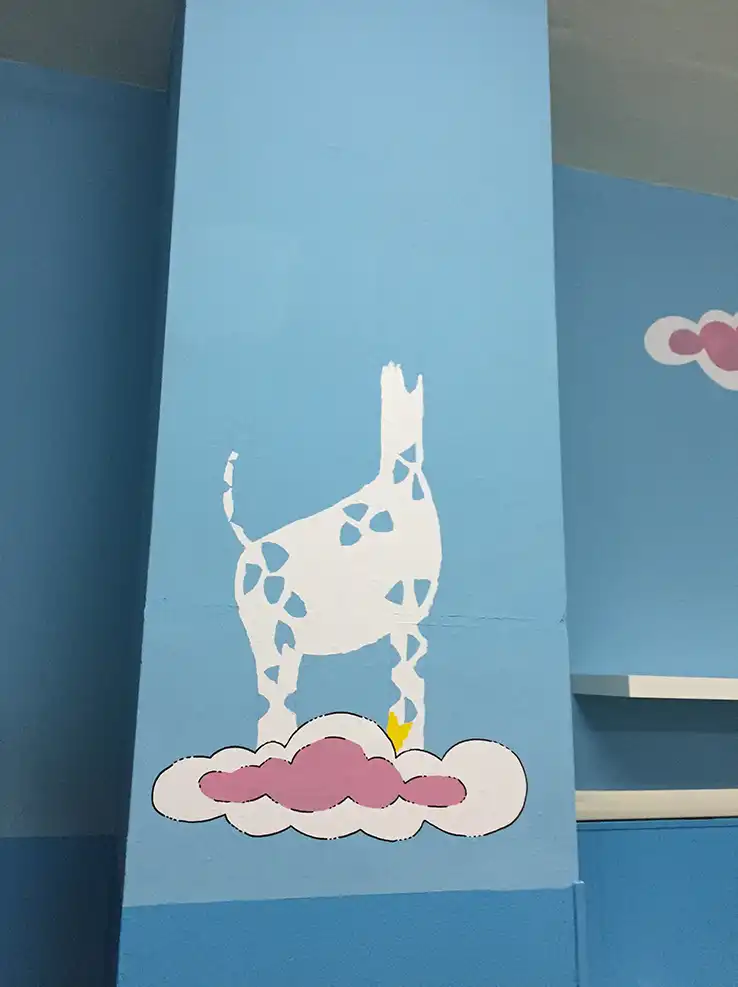
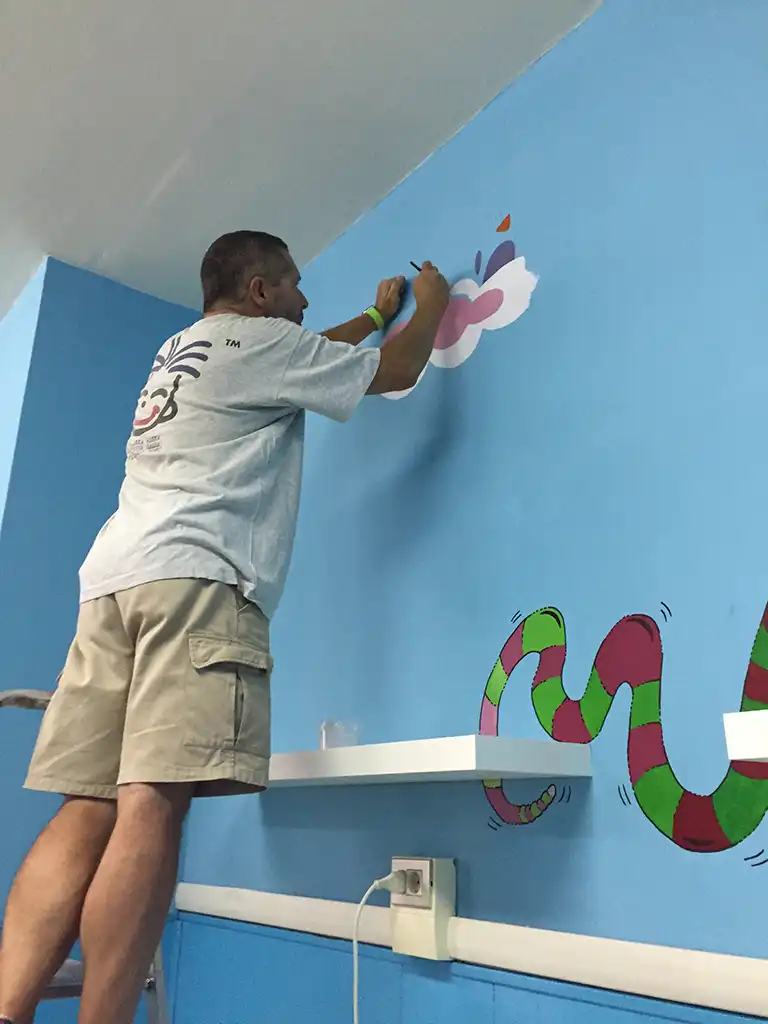
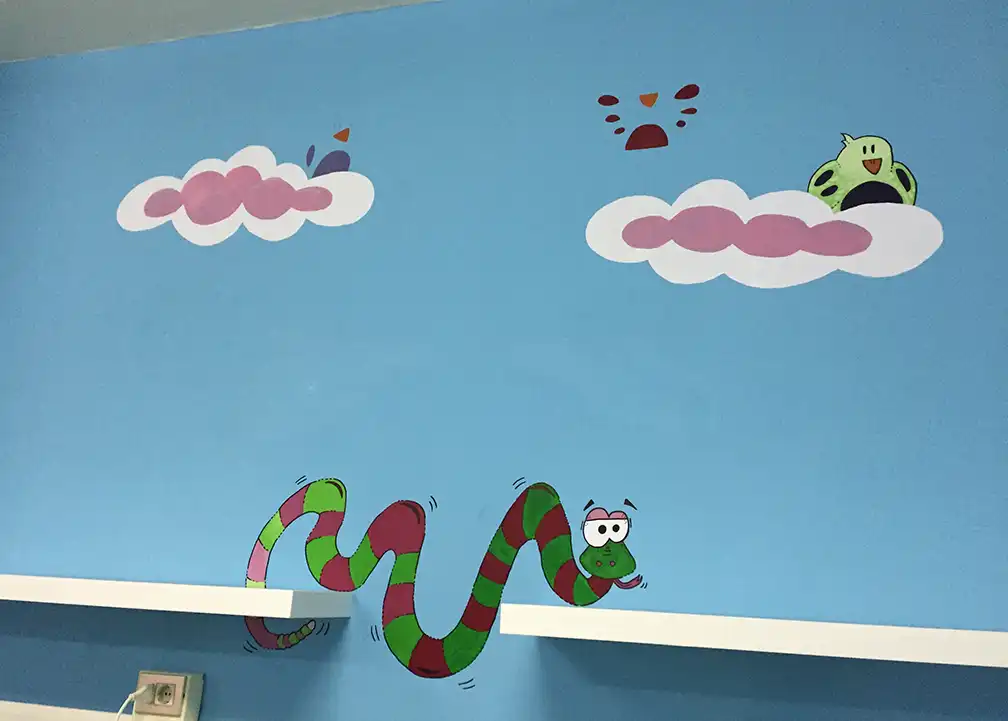
In September 2015, we assembled the furniture, and afterward, we began decorating the walls. We expect to finish all the work by the end of the month. Below, you can see the work in progress:
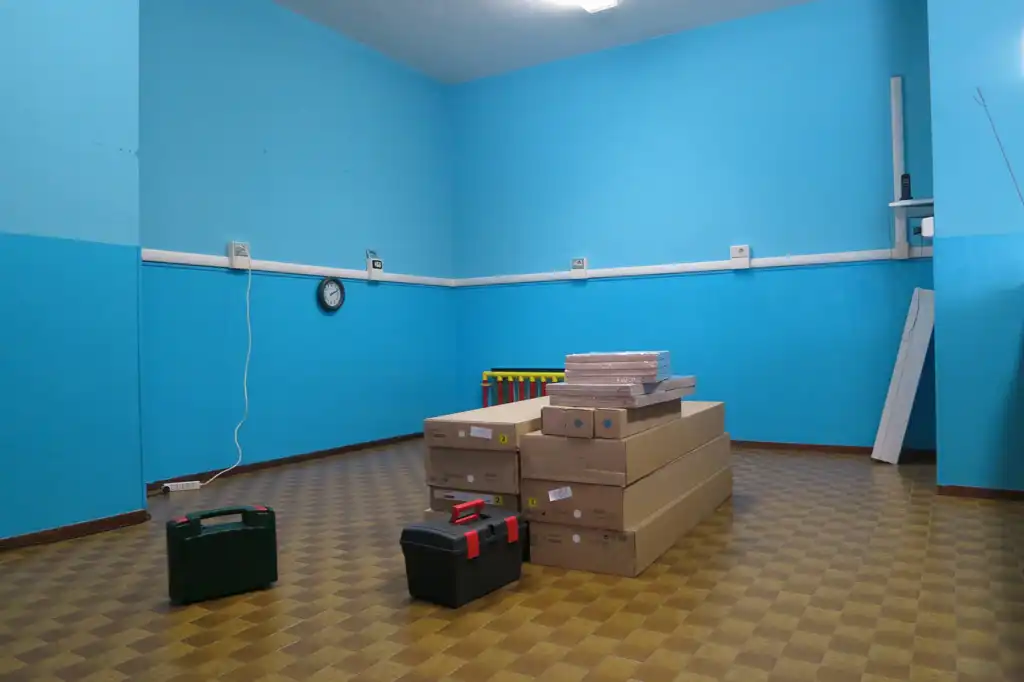
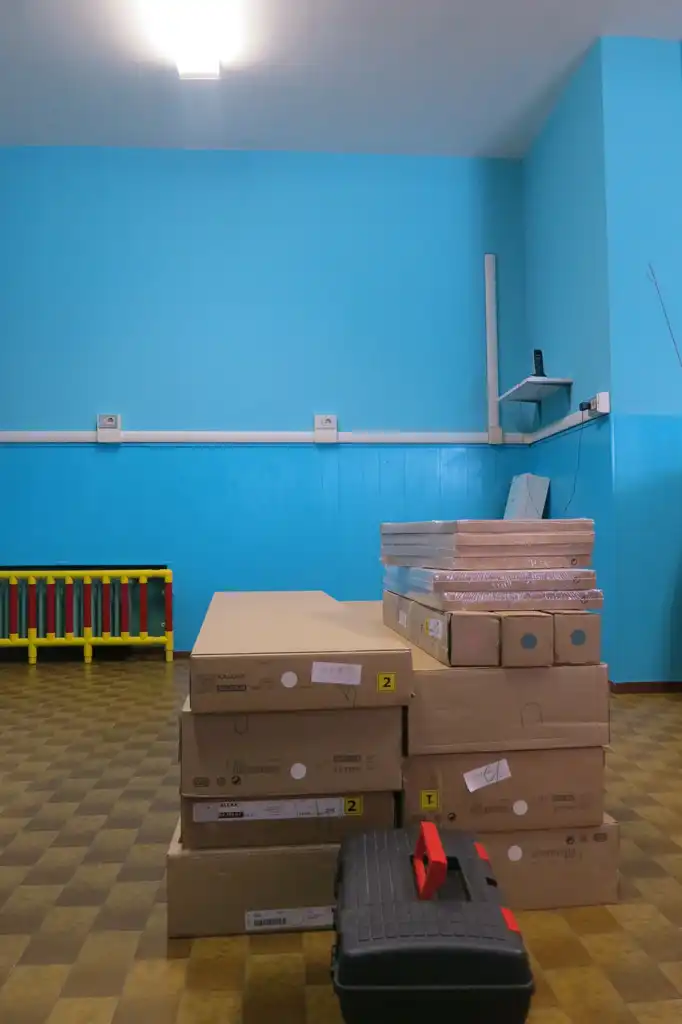
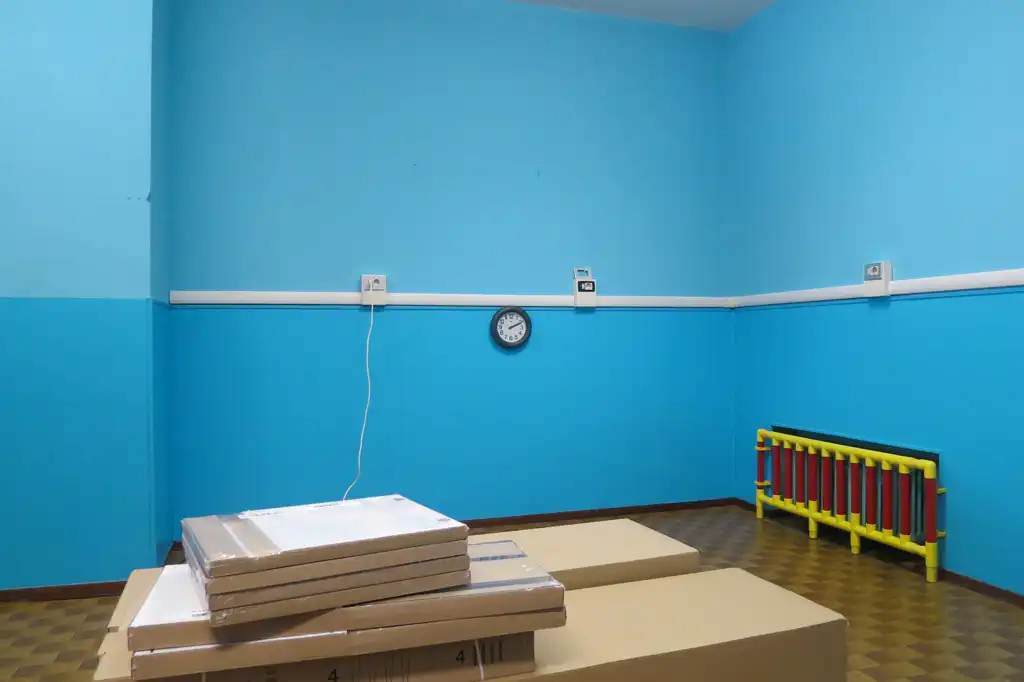
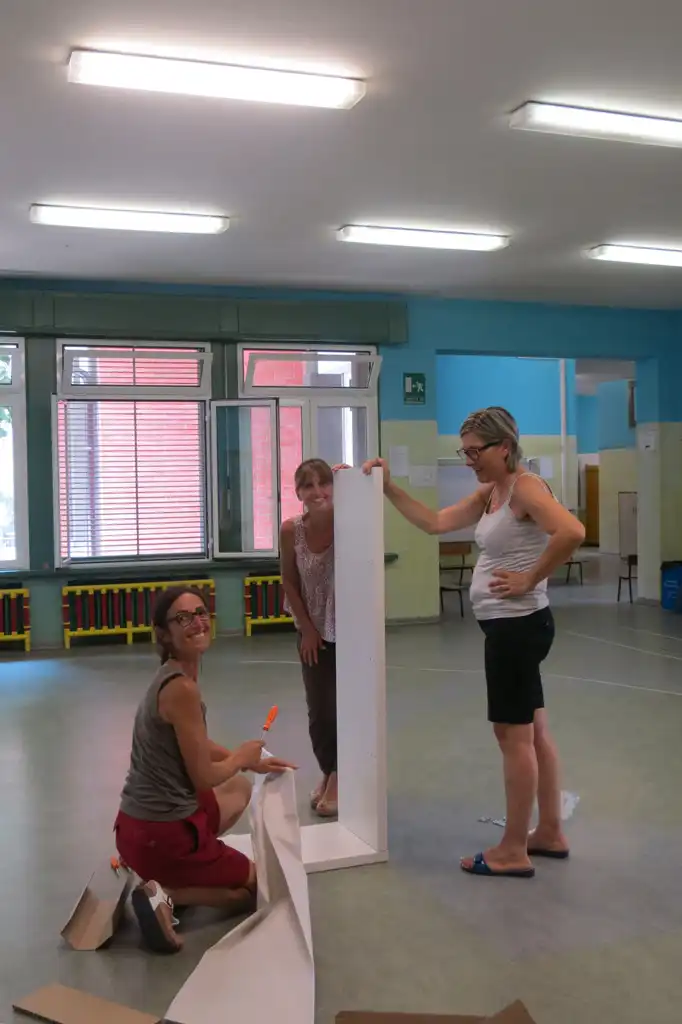
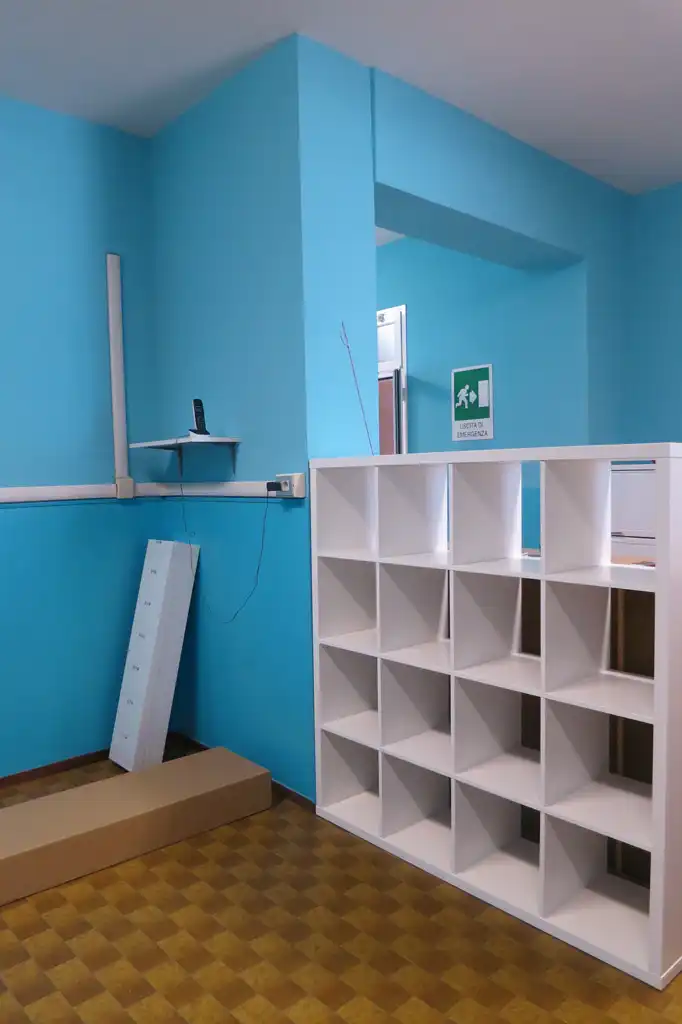
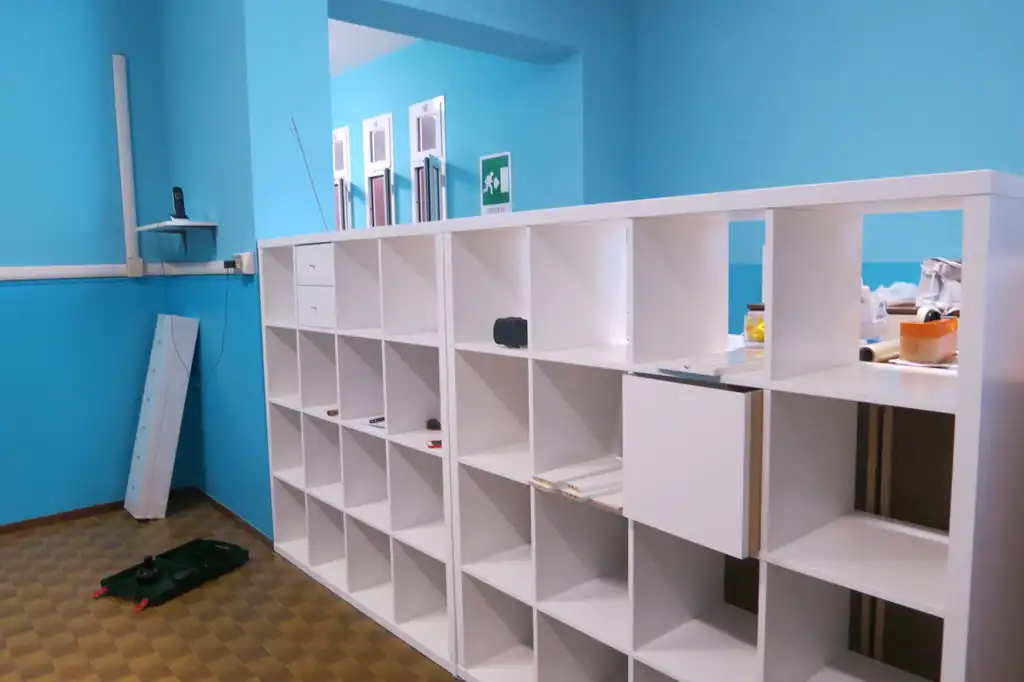
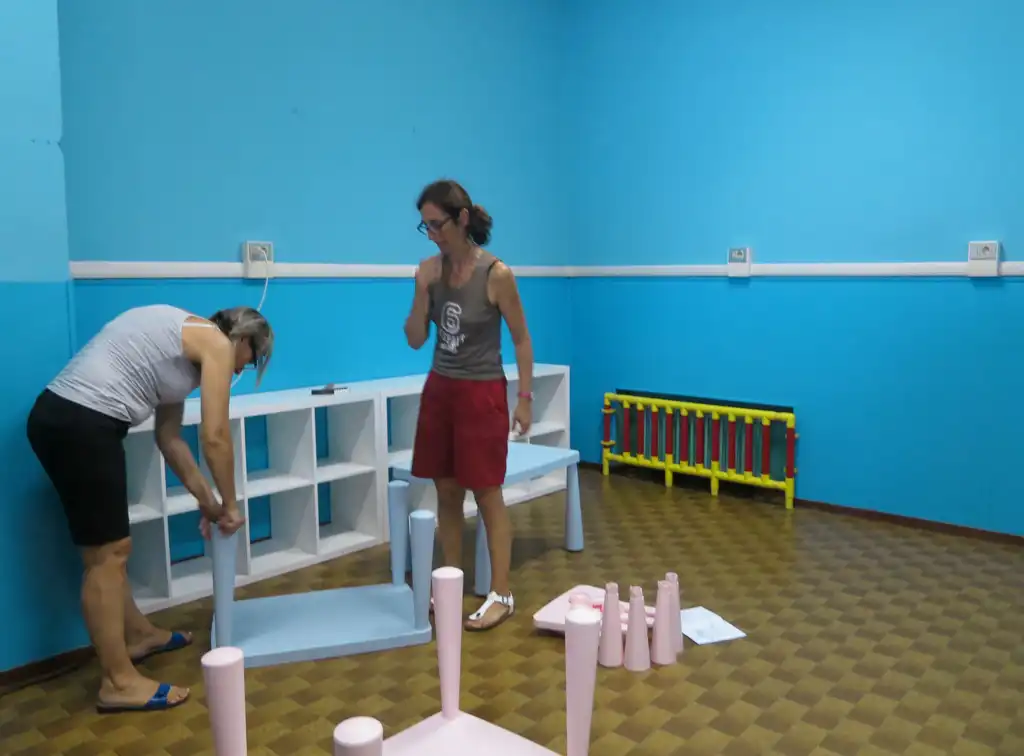
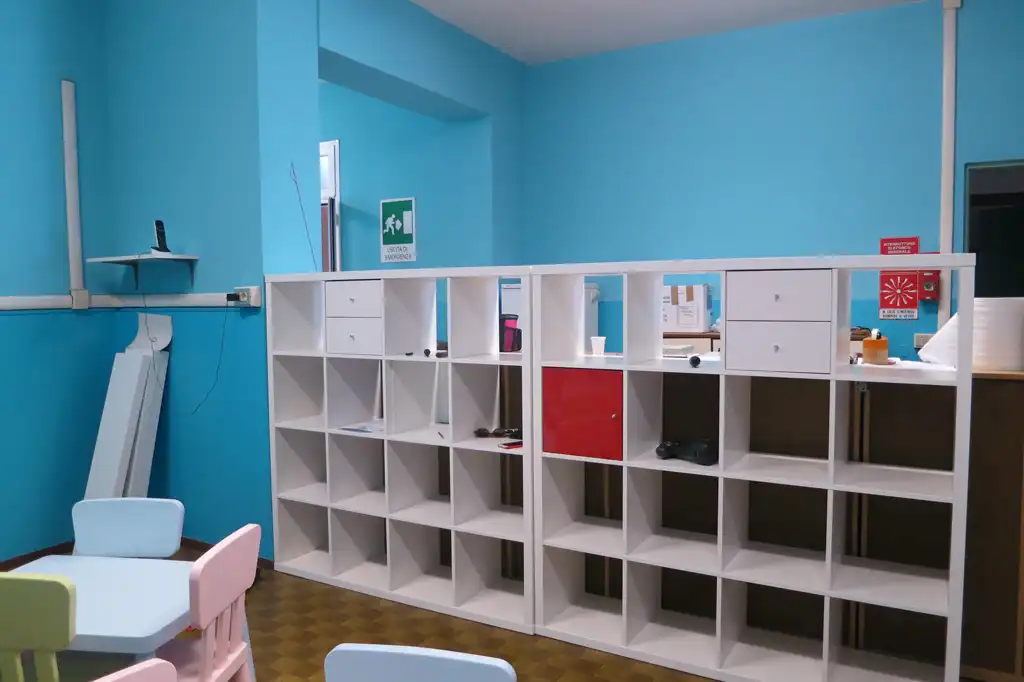
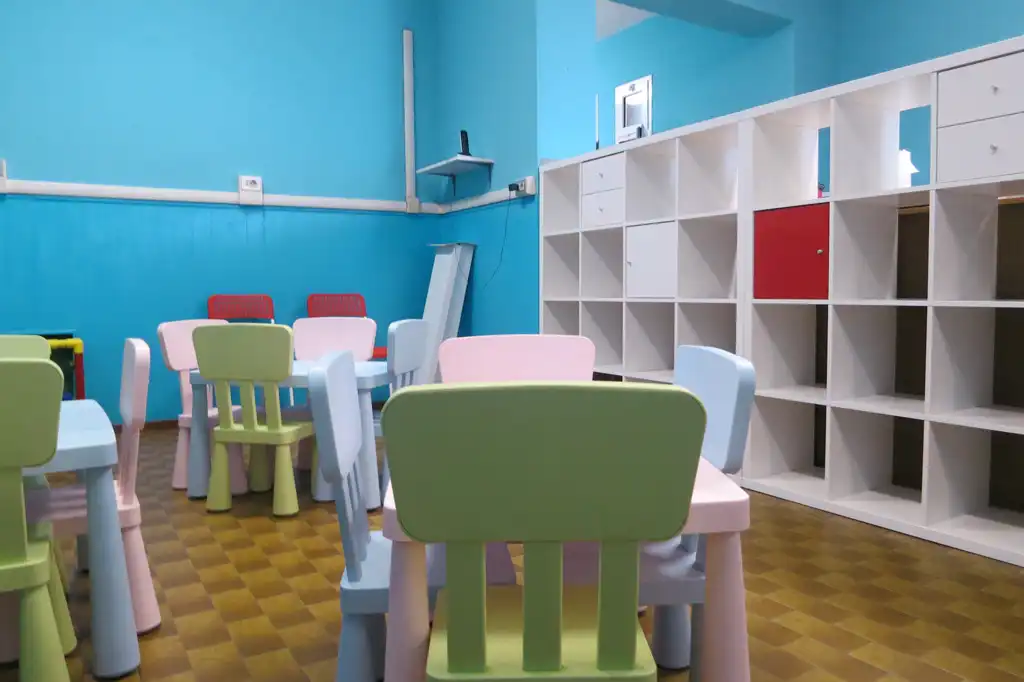
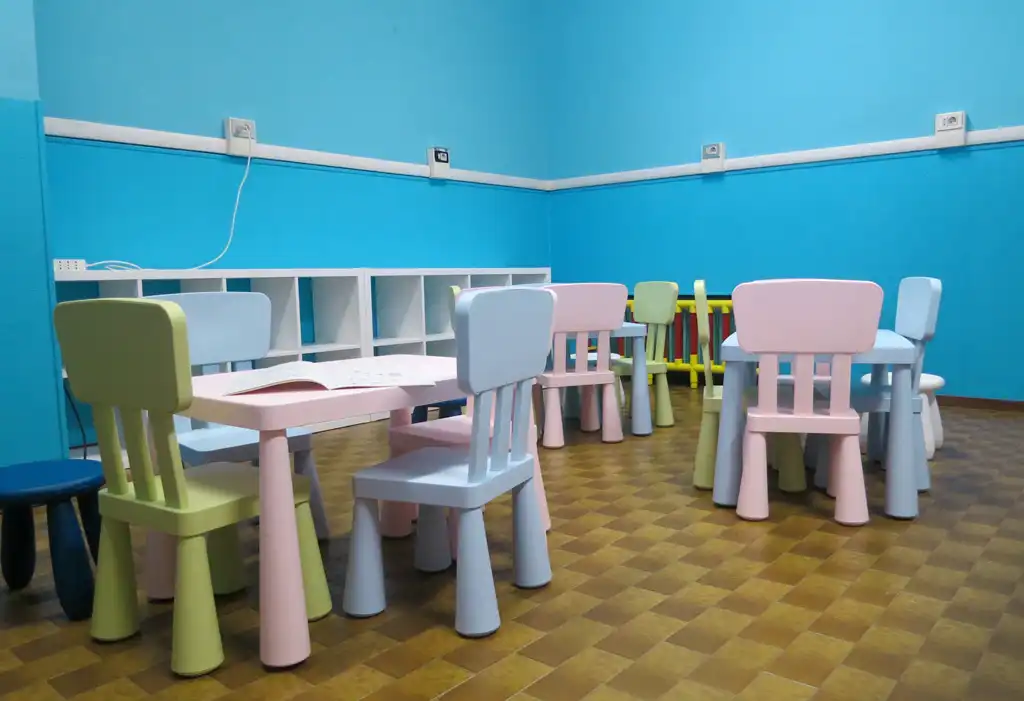
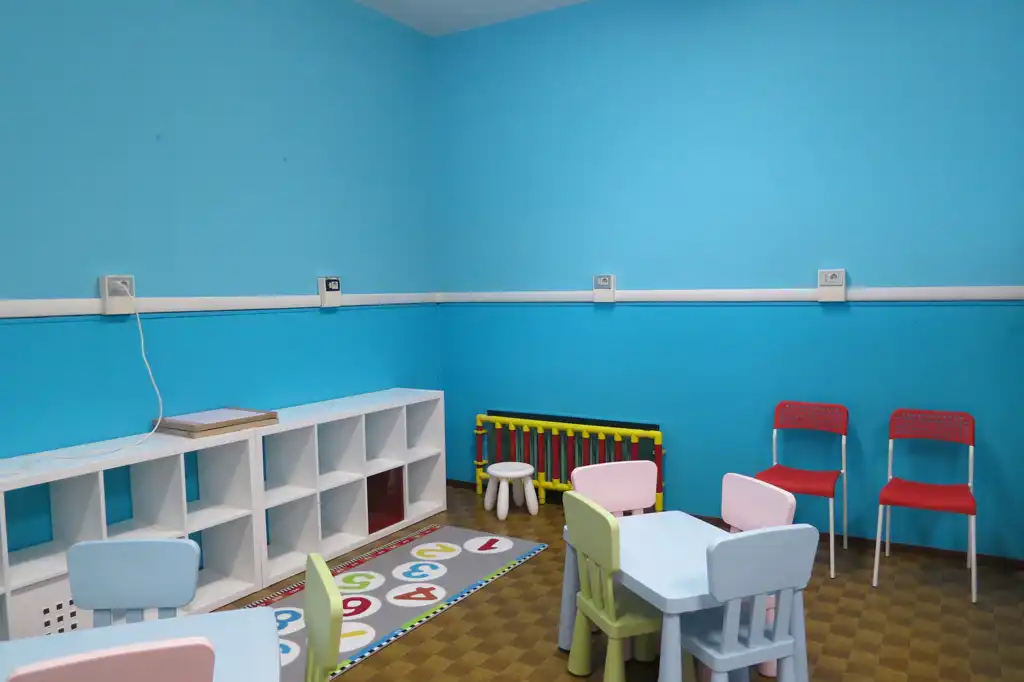
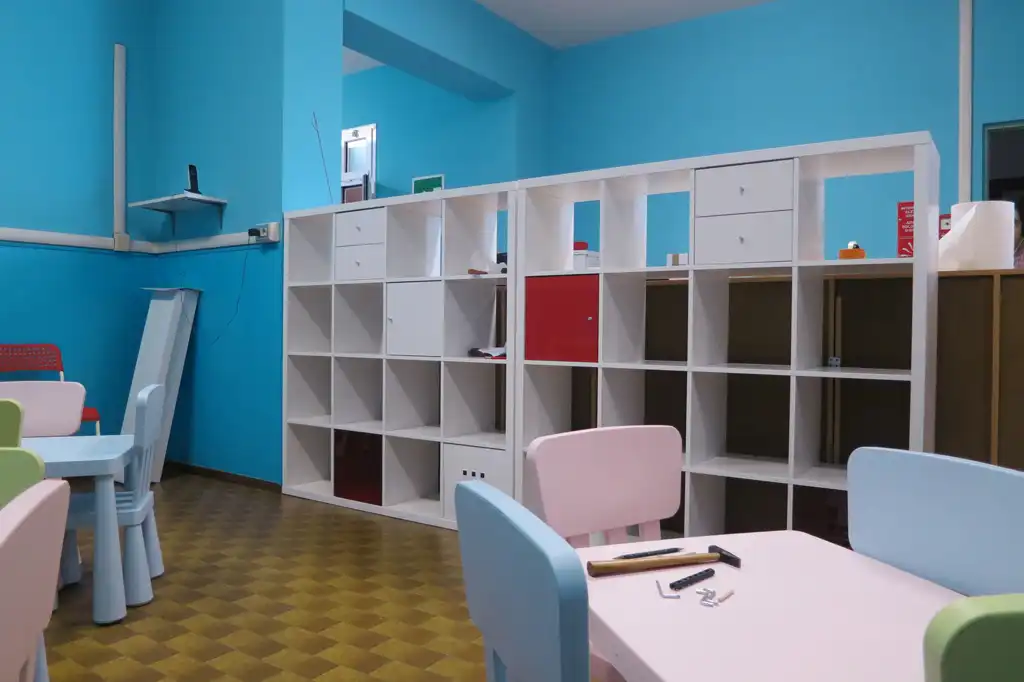
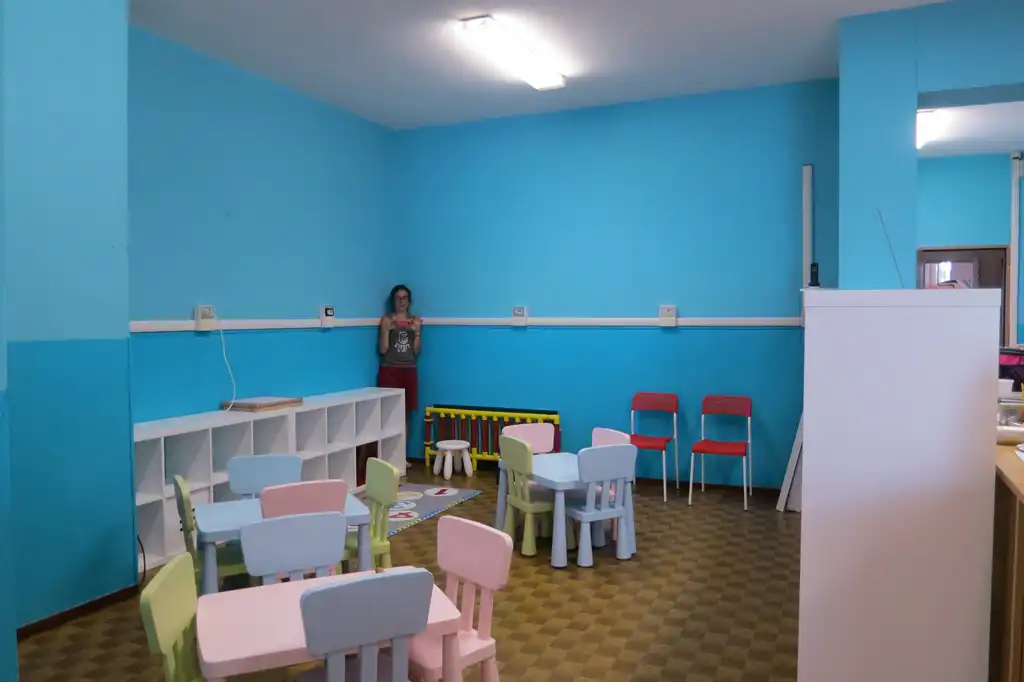
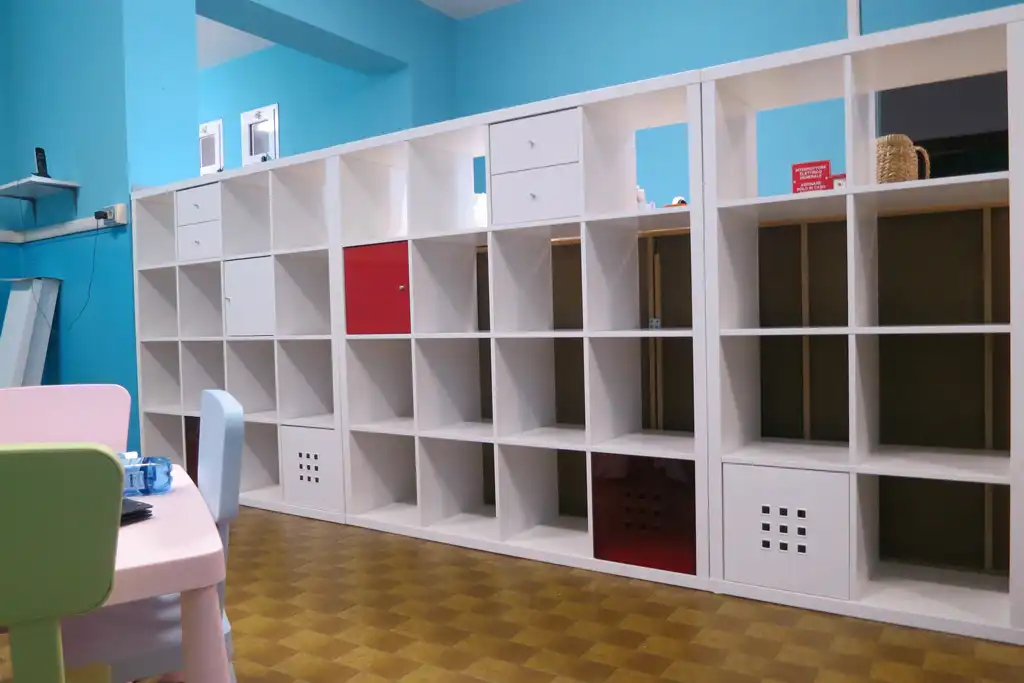
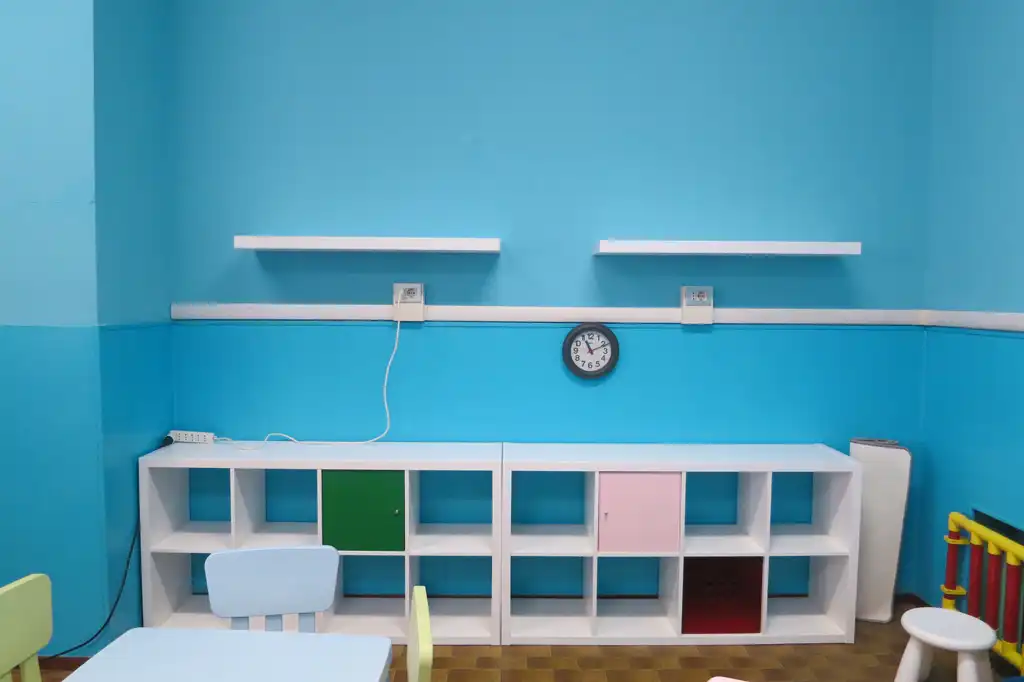
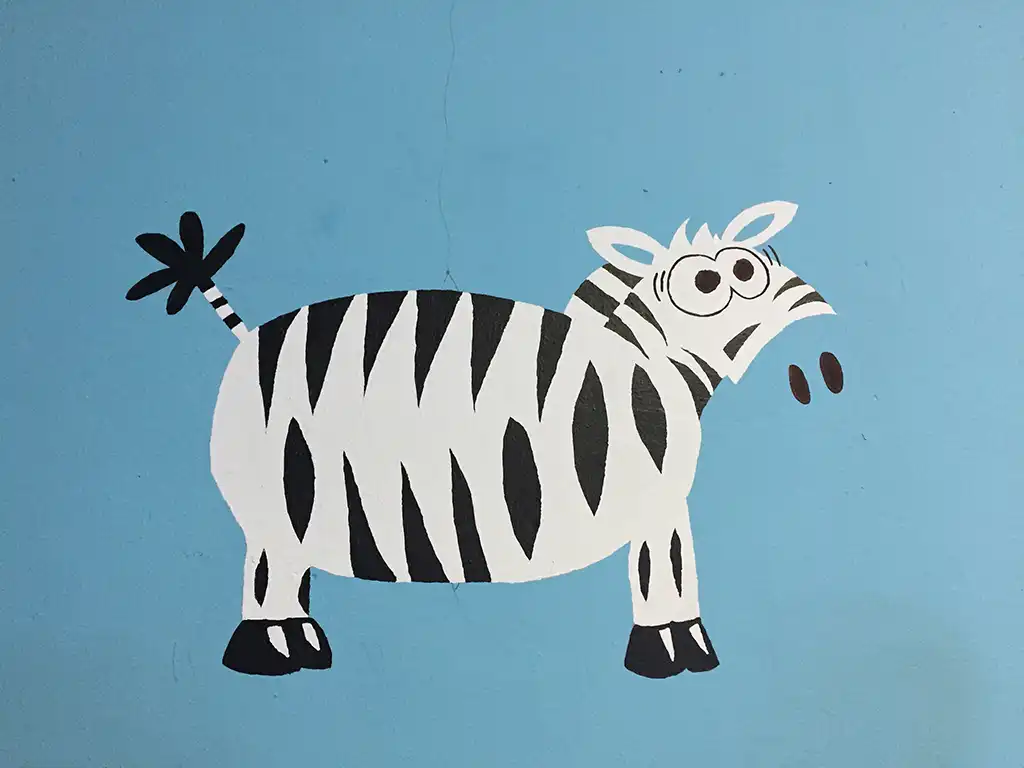
And below, you can see us hard at work painting the murals that will brighten up the library, giving it an extra touch of color and cheer. They were conceived and designed by Manuela Tripepi.
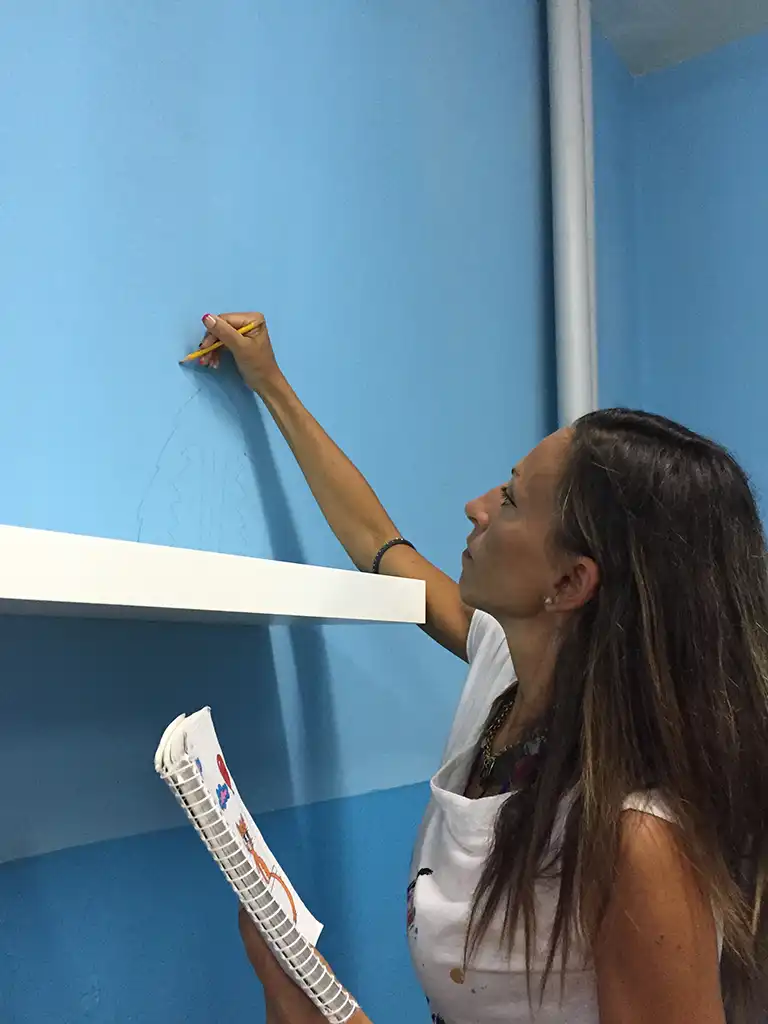
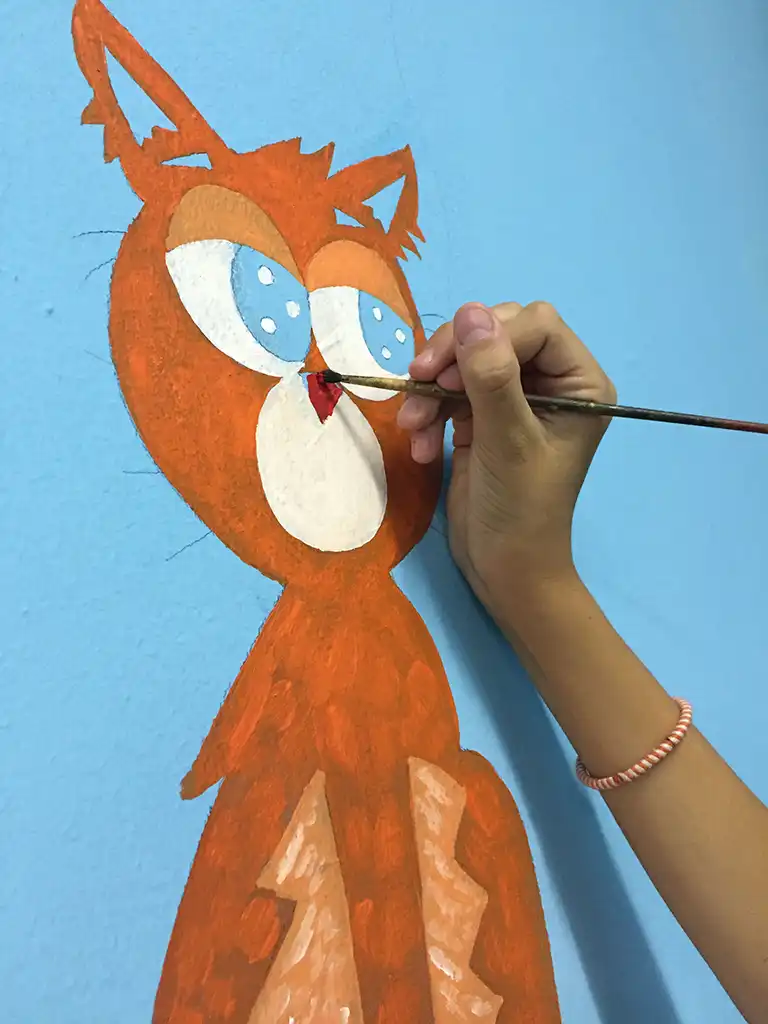
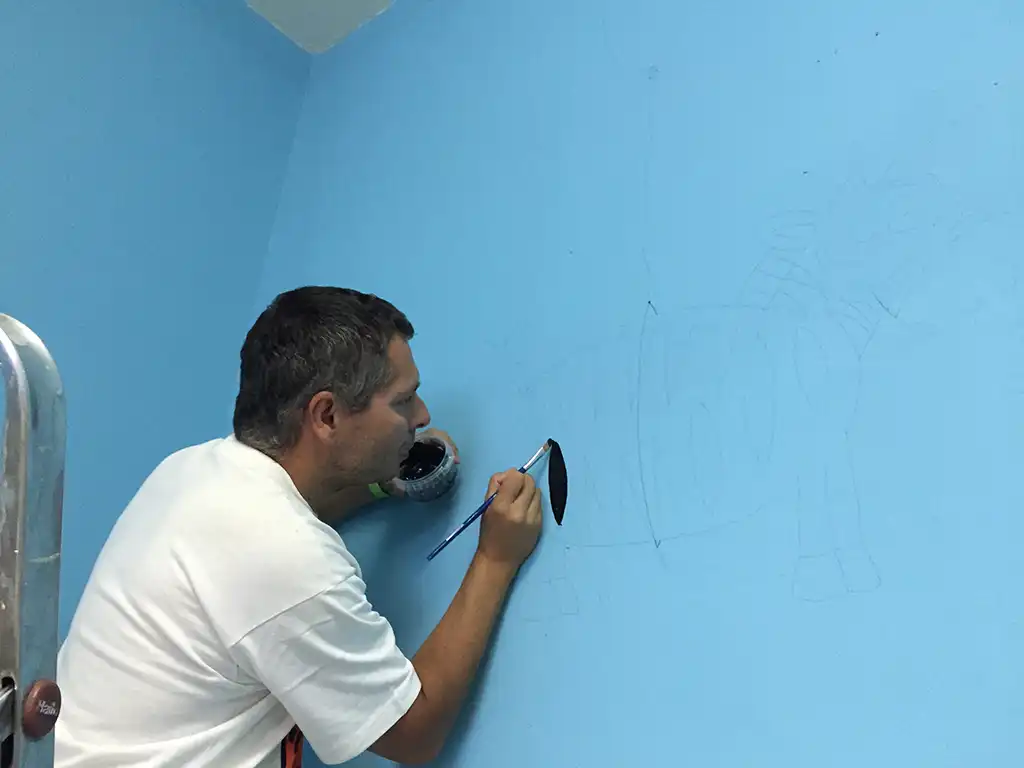
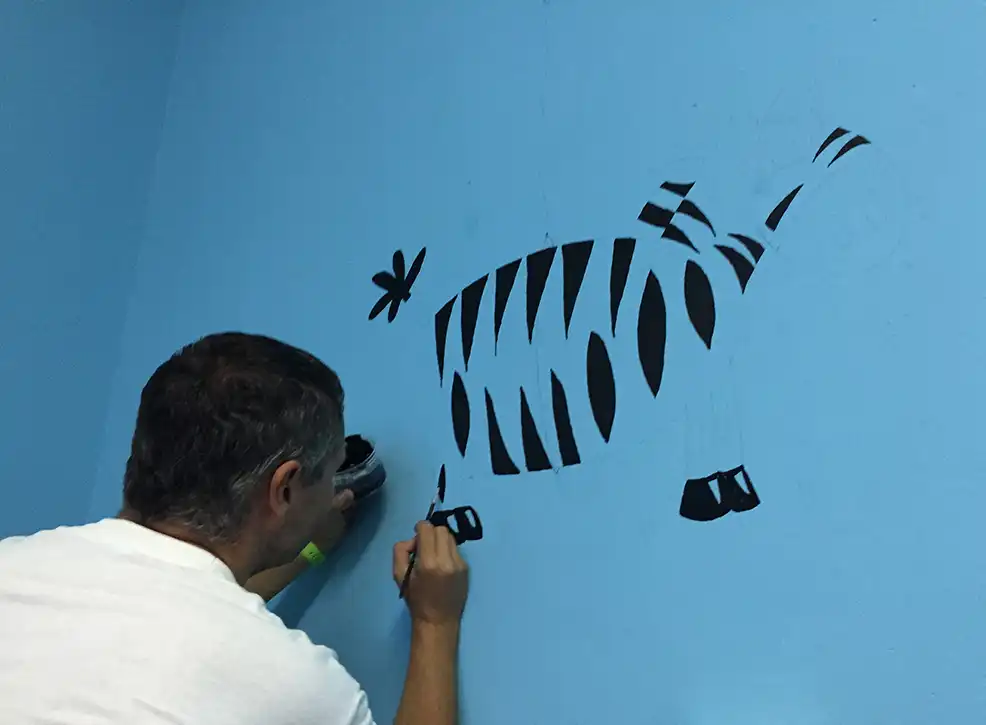
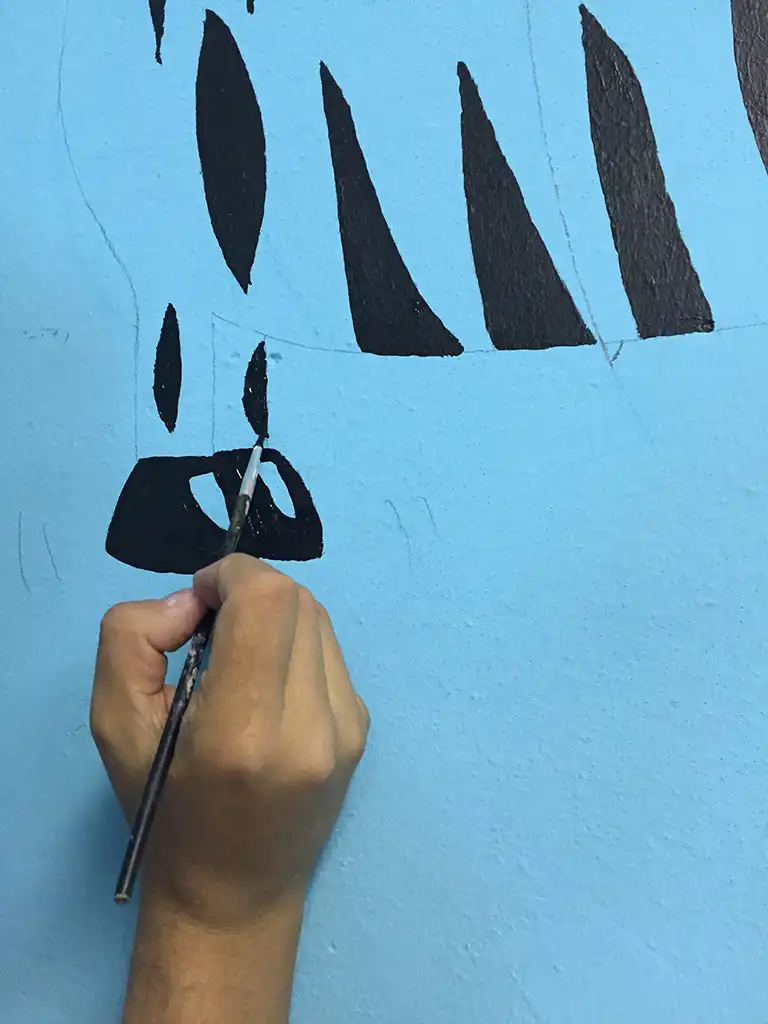
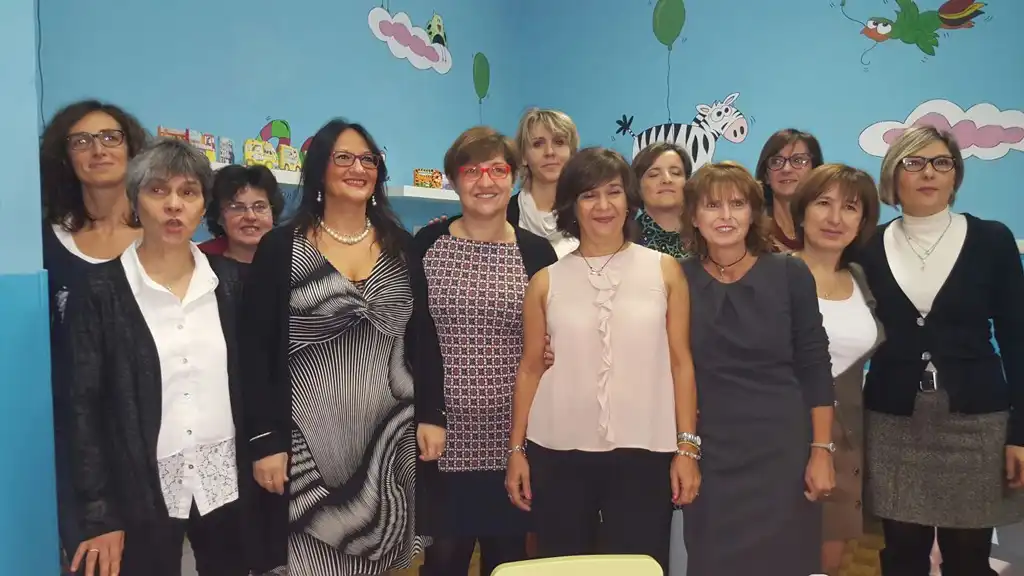
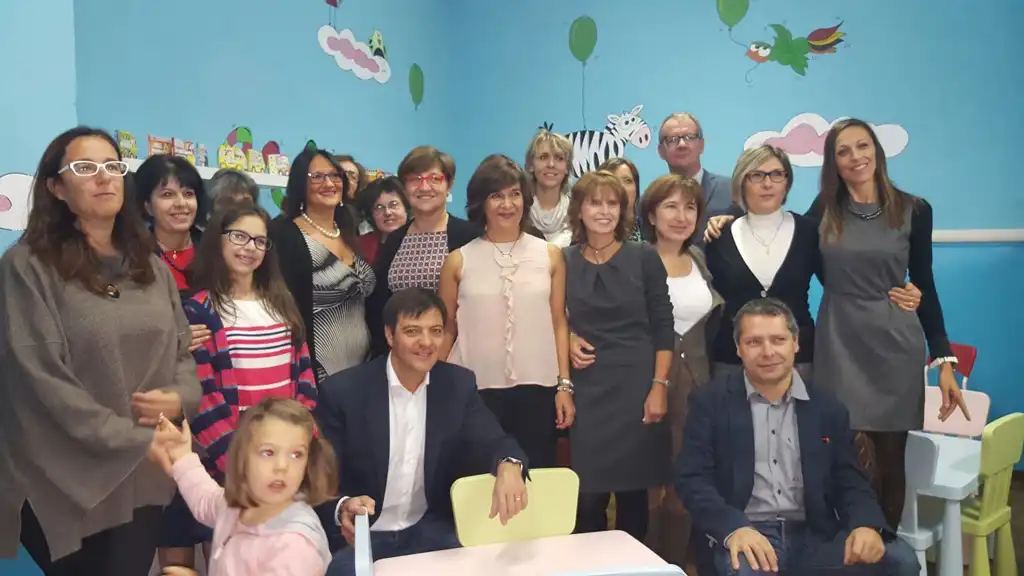
The following people contributed to this project (in no particular order): Francesco Canetta, for his help and tremendous availability; Manuela Tripepi, for the beautiful murals; Fulvio Alberganti and Massimo De Paoli from Press Grafica, for the book labels; the principal, the teaching staff, and the school custodians.
Additionally, we would like to thank Cristina Foschini from Gruppo Editoriale Mauri Spagnol, Alessia Gillardi from De Agostini Editore, Carlo Robiglio from Interlinea Edizioni, and Alessandra Perotti from Edizioni Astragalo for the fantastic books they donated to us, and finally Nicola Tosato for his great support.
Thank you to everyone—without your help, we would not have been able to achieve what we did.