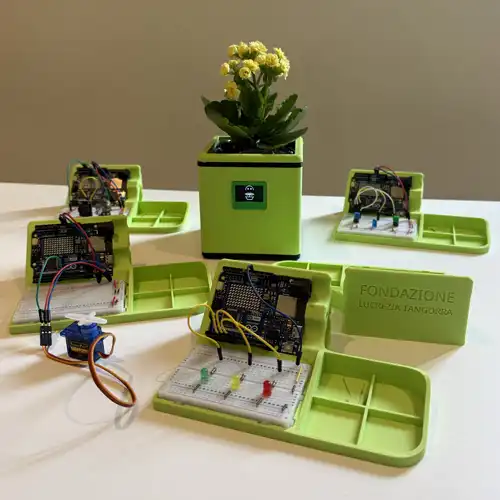
The hidden city inside your devices

Jairo Perilla avatar

di

Tempo di lettura:

2–3 minutes

We live surrounded by electronic devices. We are so accustomed to the relentless pace of technology that it feels normal to expect a thinner, lighter, and faster phone or computer every year. But what is actually happening inside them? You plug them into a socket and everything just works: the screen lights up, the camera captures images, you press a key and a letter appears. In reality, we are interacting with dozens of sensors and actuators — we just don’t realize it anymore. You’ve probably heard of electronic circuits, but what are they really?
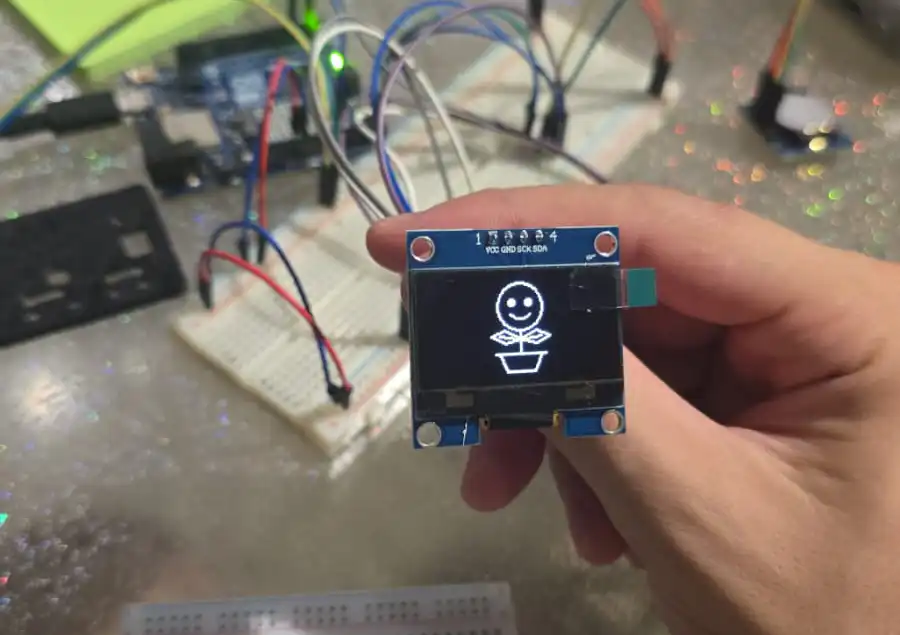


“Think of a small city connected by roads: seen from above, a circuit looks like a map, with paths that cross and divide. The destinations are the components: a LED that lights up when current flows through it, a push button acting as a drawbridge that connects two roads when pressed. Traveling along these roads are electrons — tiny, charged particles that push one another, bringing the circuit to life. But beware: if we let too many pass through a road at once, we risk overheating and burning the component, closing the path forever. This happens, for instance, when electrons find a shortcut that bypasses the component and they all rush there: that’s the famous short circuit, like a crash blocking traffic across the whole city. Inside every device, interactions like these are happening all the time. The world of electronics is vast and the components are endless, but I bet more than a few names sound familiar: display, resistor, sensor, potentiometer, transistor. And even if you don’t recognize them by name, you’ve already interacted with them anyway! To start exploring this universe, at the Lucrezia Tangorra Foundation we offer Arduino Start, an introductory course in electronics and programming.

In every lesson, we introduce new components, wire them up, and program them using Arduino — a platform born in Italy and world-renowned for its compactness and versatility, found in smart homes, 3D printers, and even small robots. Over five sessions, we will turn on lightbulbs, read sensors, and make a motor move. Participants will build their very first circuits and learn to solve problems with both their minds and hands.

0
0

Iscriviti alla Newsletter

Entra a far parte della nostra community e segui da vicino
le nostre iniziative. 100% valore, 0% spam. 

Puoi annullare l’iscrizione in qualsiasi momento.

    Hai qualche dubbio?
    Vuoi approfondire?

    Chi sono i beneficiari dei nostri progetti?

    La Fondazione Lucrezia Tangorra E.T.S. si impegna attivamente nel sostegno e nello sviluppo del mondo della scuola e dell’educazione, finanziando e realizzando interventi concreti e su misura.

    Riconosciamo il ruolo centrale dell’istruzione nella crescita delle nuove generazioni; per questo motivo, lavoriamo costantemente al fianco di educatori, studenti e famiglie per intercettare con massima tempestività le criticità emergenti, le carenze strutturali e i bisogni formativi del territorio. Grazie a un approccio dinamico e reattivo, la Fondazione è in grado di intervenire in tempi rapidi, trasformando le necessità individuate in progetti ad alto impatto sociale ed educativo, capaci di offrire risposte efficaci, risorse adeguate e nuove opportunità di crescita.

    Chi sono i nostri partner?

    La Fondazione Lucrezia Tangorra E.T.S. opera in sinergia con una rete diversificata di partner:

    • Istituzioni pubbliche: per il supporto finanziario e logistico.
    • ONG ed enti no-profit: per la realizzazione di progetti congiunti.
    • Scuole e università: per lo sviluppo di programmi educativi e formativi. – Aziende private: per donazioni e iniziative di volontariato aziendale.
    • Esperti e professionisti: per l’apporto di competenze e consulenze specialistiche.
    Chi ci sostiene?

    I nostri progetti sono realizzati grazie ad una rete solidale di sostenitori che mettono a disposizione risorse finanziarie, beni materiali, competenze e tempo:

    • Aziende private: attraverso sponsorizzazioni, donazioni e progetti di Responsabilità Sociale d’Impresa (CSI).
    • Fondazioni ed enti filantropici del Terzo Settore.
    • Scuole e istituti educativi: attivi nei programmi di sensibilizzazione.
    • Volontari e cittadini: che donano il proprio tempo ed energie.
    • Donatori privati: che contribuiscono con erogazioni liberali.